2 min readUpdated: May 4, 2026 09:21 AM IST
Three people have died and three are ill after a Netherlands-based cruise ship was hit by a suspected outbreak of hantavirus, authorities and media reports said on Sunday.
Here is information about the virus.
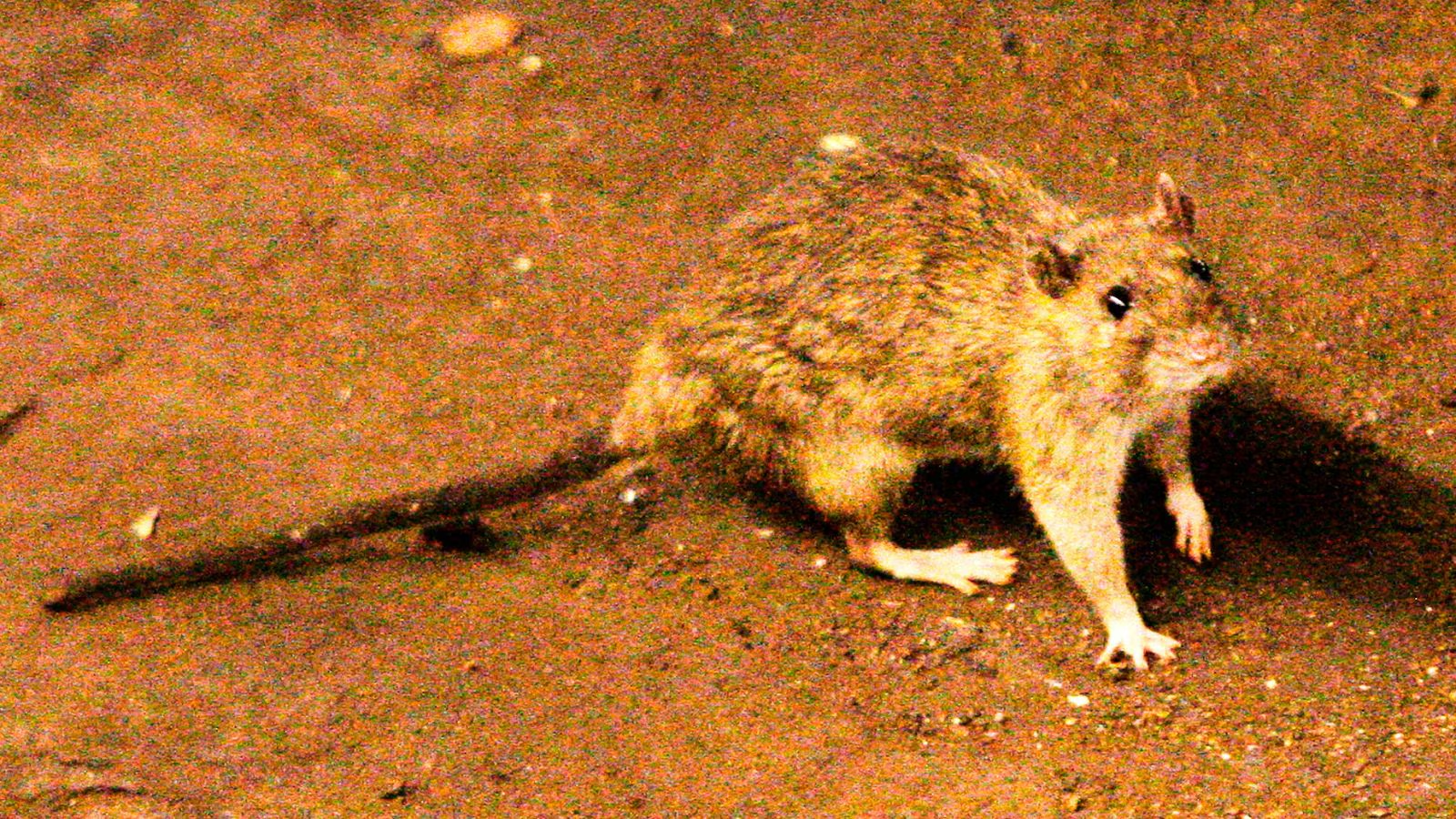
Spread by rodents
Hantavirus is primarily spread by rodents but can be transmitted between people in rare cases, according to the World Health Organization.
People most typically become infected when virus in rodent droppings, saliva and urine becomes airborne, such as when areas where rats and mice have nested are swept out.
According to The Lancet medical journal, the name comes from the Hantan River area of South Korea, where the virus was identified in the 1970s.
Can be fatal
Hantavirus is a family of viruses that cause two illnesses, one that primarily affects the lungs and the other that attacks the kidneys. The first gets the most attention because it has a high fatality rate of about 40%.
Hantavirus pulmonary syndrome, the respiratory illness, is most commonly found in North and South America.
According to the Canadian government, about 200 cases of hantavirus pulmonary illness occur each year worldwide.
Story continues below this ad
Concert pianist Betsy Arakawa, wife of actor Gene Hackman, died from hantavirus pulmonary syndrome in New Mexico in 2025, according to autopsy results.
What are the symptoms?
Hantavirus usually begins with flu-like symptoms, such as fatigue and fever, one to eight weeks after exposure, according to the CDC.
Four to 10 days later, coughing, shortness of breath and fluid in the lungs appear.
Diagnosis in the first 72 hours of infection is difficult, the CDC says, so symptoms can easily be mistaken for flu.
Story continues below this ad
What to do and how to prevent it
There is no specific therapy for hantavirus infection, so treatment focuses on supportive care including rest and fluids. Patients may need breathing support such as a ventilator.
Experts say exposure to hantavirus can be minimized by deterring and eliminating rodents from areas where people are. Avoid vacuuming or sweeping dried droppings, which can aerosolize the virus.