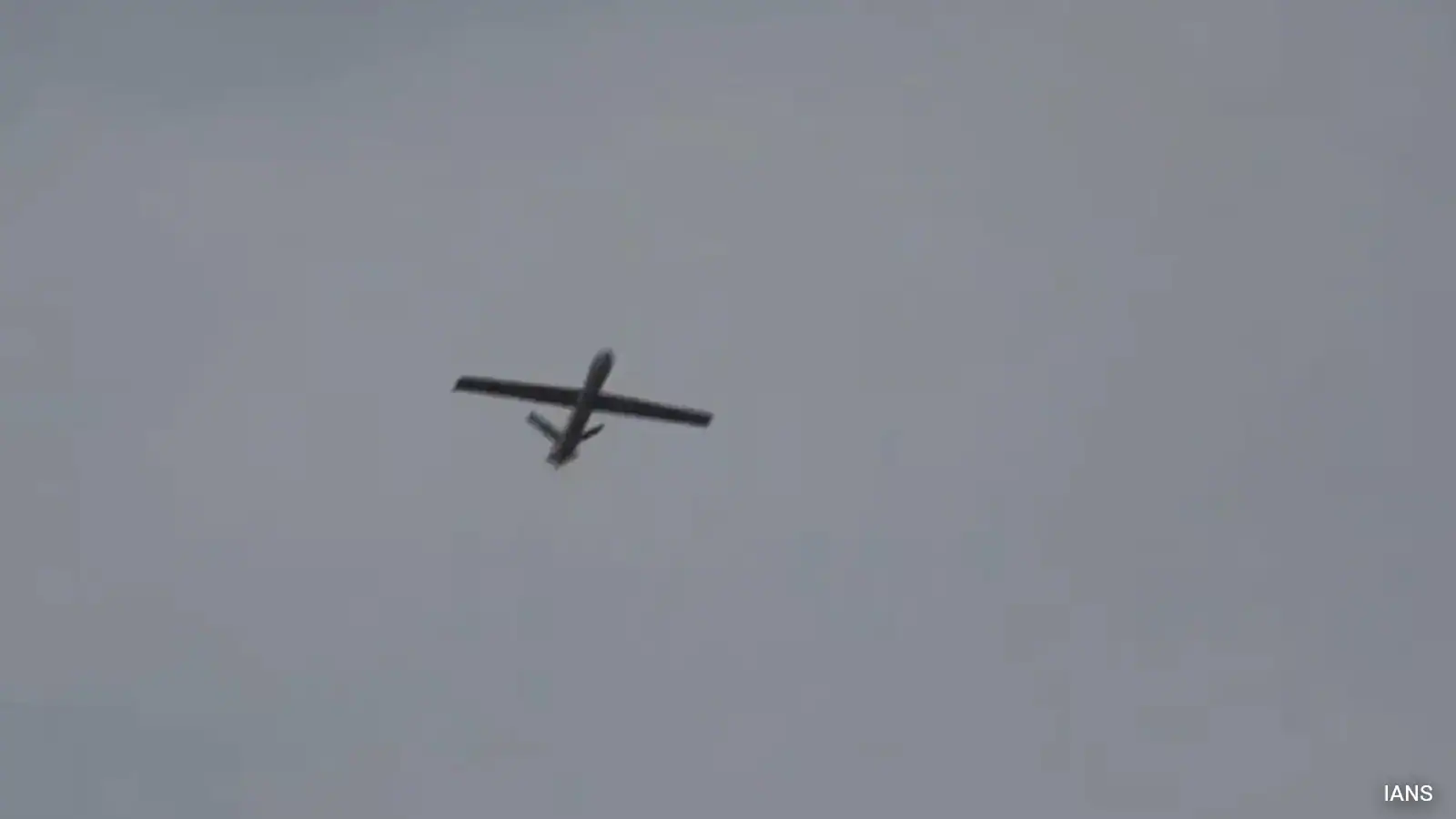
A fresh wave of cross-border military action has sharply escalated tensions between Afghanistan and Pakistan after the Taliban-led Afghan Ministry of Defence claimed responsibility for overnight airstrikes inside Pakistani territory, targeting what it described as Islamic State Khorasan Province (ISIS-K) facilities.
According to a statement by the Afghan defence ministry, the operations were carried out by the Islamic Emirate’s air force in areas of Balochistan and Khyber Pakhtunkhwa.
The ministry said the strikes focused on alleged militant hideouts in Gulistan area of Qila Abdullah district, Shakar Ab Jungle Gardi in Chagai district, and Orakzai region in Khyber Pakhtunkhwa. Kabul asserted that these locations were being used to plan and coordinate attacks against Afghanistan and had long functioned as operational bases for hostile groups.
It further claimed that all pre-identified targets were successfully struck and described the operation as a “precise response” to ongoing threats originating beyond its borders. The statement warned that Afghanistan would not tolerate any threat to its territorial security and would continue to use all available means to defend itself against militant activity, reinforcing a more assertive posture on cross-border security.
The strikes come amid a sharp deterioration in relations between the two neighbors, following reports of Pakistani air operations inside Afghanistan in recent days. Afghan authorities had earlier accused Pakistan of targeting civilian areas, alleging that women and children were among those killed in the strikes. Islamabad, however, maintained that its actions were directed at militant infrastructure used for cross-border attacks against Pakistan.
The tit-for-tat military activity reflects a widening cycle of retaliation that has intensified over the past year. Both sides have repeatedly accused each other of harbouring or enabling armed groups operating along the porous Durand Line border.
Pakistan has long alleged that militant factions, particularly those associated with Tehreek-e-Taliban Pakistan (TTP), operate from Afghan soil. The Taliban government has consistently denied these claims, insisting that Afghanistan’s territory is not being used against any neighboring country.
Diplomatic efforts to ease tensions have also stalled. Pakistan’s Defence Minister Khawaja Asif recently stated that talks with the Taliban administration had effectively failed, signaling the collapse of negotiations aimed at stabilising the border situation. His remarks came amid growing frustration in Islamabad over continued militant attacks and what it sees as insufficient action by Kabul against anti-Pakistan groups.
The deteriorating security environment has had broader economic consequences as well. Trade routes between the two countries, once vital for regional commerce, have been heavily disrupted over the past year. Frequent border closures, security restrictions, and intermittent clashes have brought cross-border trade to a near standstill, affecting transporters, traders, and local economies on both sides.
Analysts say the latest escalation risks pushing the already fragile relationship into a more dangerous phase, with limited diplomatic channels remaining open. While both governments continue to justify their military actions as counterterrorism measures, the increasing frequency of cross-border strikes has raised fears of sustained instability along one of South Asia’s most volatile frontiers.
As of now, neither Kabul nor Islamabad has indicated any immediate steps toward de-escalation, leaving the region on edge amid fears of further retaliatory action in the days ahead.