Participants at a recent workshop in Akwa Ibom State emphasised that many oil-producing communities remain unaware of their legal rights under the Petroleum Industry Act (PIA), despite official promises of development and environmental protection.
Stakeholders from oil-producing communities in Onna Local Government Area, Akwa Ibom State, have demanded stronger accountability from oil and gas companies and regulatory agencies regarding gas flaring, environmental pollution, and the implementation of provisions under the Petroleum Industry Act (PIA) 2021.
The call was made during a one-day community sensitisation and capacity-building workshop organised by Onna stakeholders in partnership with Policy Alert in Eket last Friday.
The workshop convened community leaders, women and youth representatives, civil society actors, and extractive-sector experts to address the environmental and socio-economic impacts of oil and gas operations and clarify the rights of host communities under existing laws.
In his opening remarks, Donald Ikpe, an indigene of Onna, noted that worsening environmental pollution in the area has sparked alarm, with indigenes living abroad increasingly concerned about the impact of oil operations on residents. He highlighted that many are particularly distressed by reports of pervasive gas flaring in the Ikot Ebekpo and Ikot Ebidang communities.
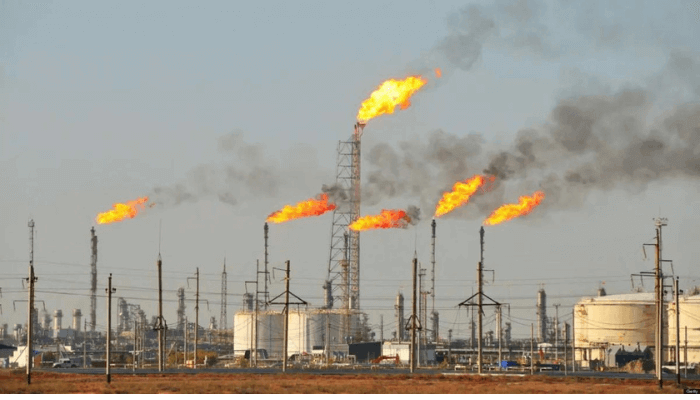
PREMIUM TIMES reported in February that persistent gas flaring in parts of Onna has turned affected communities into what residents describe as a “furnace,” exposing them to intense heat and hazardous environmental conditions.
Mr Ikpe urged participants to leverage the training to pursue lawful advocacy to protect their health, environment, and livelihoods.
Tijah Bolton-Akpan, Executive Director of Policy Alert, emphasised that host communities must be equipped with the knowledge required to hold government agencies and operators accountable.
“Gas flaring has persisted in the Niger Delta not because there are no laws against it, but because the communities most affected have been kept at the margins of the conversations that matter,” Mr Bolton-Akpan said.
“The Petroleum Industry Act 2021 made promises to host communities—promises of development, participation, and protection. But promises on paper mean nothing without empowered communities to claim them. When the people of Onna understand their rights and know how to demand accountability, they become impossible to ignore.”
Participants also examined provisions of the PIA relating to the Host Community Development Trust, a mechanism designed to ensure oil-producing communities benefit directly from petroleum operations.
Mfon Gabriel, Executive Director of the Ibom Peer Foundation and an extractive sector analyst, led a session reviewing the rights and responsibilities of host communities under the law. Participants observed that despite the enactment of the PIA, many communities in Onna remain unaware of their legal entitlements and have yet to see significant development outcomes connected to the trust funds.
The workshop also addressed the public health implications of gas flaring and hydrocarbon pollution. PREMIUM TIMES reporter and investigative journalist Ekemini Simon presented on the effects of prolonged flaring on air quality and livelihoods, noting that the release of methane and other pollutants disproportionately affects vulnerable groups, including women, children, and the elderly.
PREMIUM TIMES reported that Nigeria remained among the nine countries with the highest levels of gas flaring globally in 2025.
The event featured a screening of the documentary Flaring Lives: The Human Cost of Nigeria’s Methane Emissions, which details the impact of gas flaring across the Niger Delta. Participants noted that the documentary mirrored conditions in their own communities, underscoring the urgency for stronger regulatory action.
At the conclusion of the workshop, participants adopted a communiqué demanding the strict enforcement of gas-flaring regulations and the public disclosure of penalties imposed on defaulting operators. They further called for transparency in the management of Host Community Development Trust funds, active community participation in decision-making processes, and prompt remediation of polluted sites.
The attendees pledged to conduct awareness campaigns within their communities to deepen understanding of the PIA and strengthen local advocacy. They concluded that sustained engagement is critical to ensuring that oil companies and government agencies fulfil their obligations to host communities.