Rival party structures, competing claims of legitimacy, a disputed consensus process and threats of litigation have plunged the ADC in Katsina into one of its most complex internal crises ahead of the 2027 elections.
As preparations for the 2027 elections gather pace, the African Democratic Congress (ADC) in Katsina State is not merely divided; it has effectively split into two rival structures, each claiming legitimacy and conducting parallel congresses and primaries.
At the heart of the controversy is a fundamental question: Which group has the legitimate ADC structure in Katsina State?
One camp is led by state chairman Musa Wamba and produced Salisu Uli as its governorship candidate through a primary process.
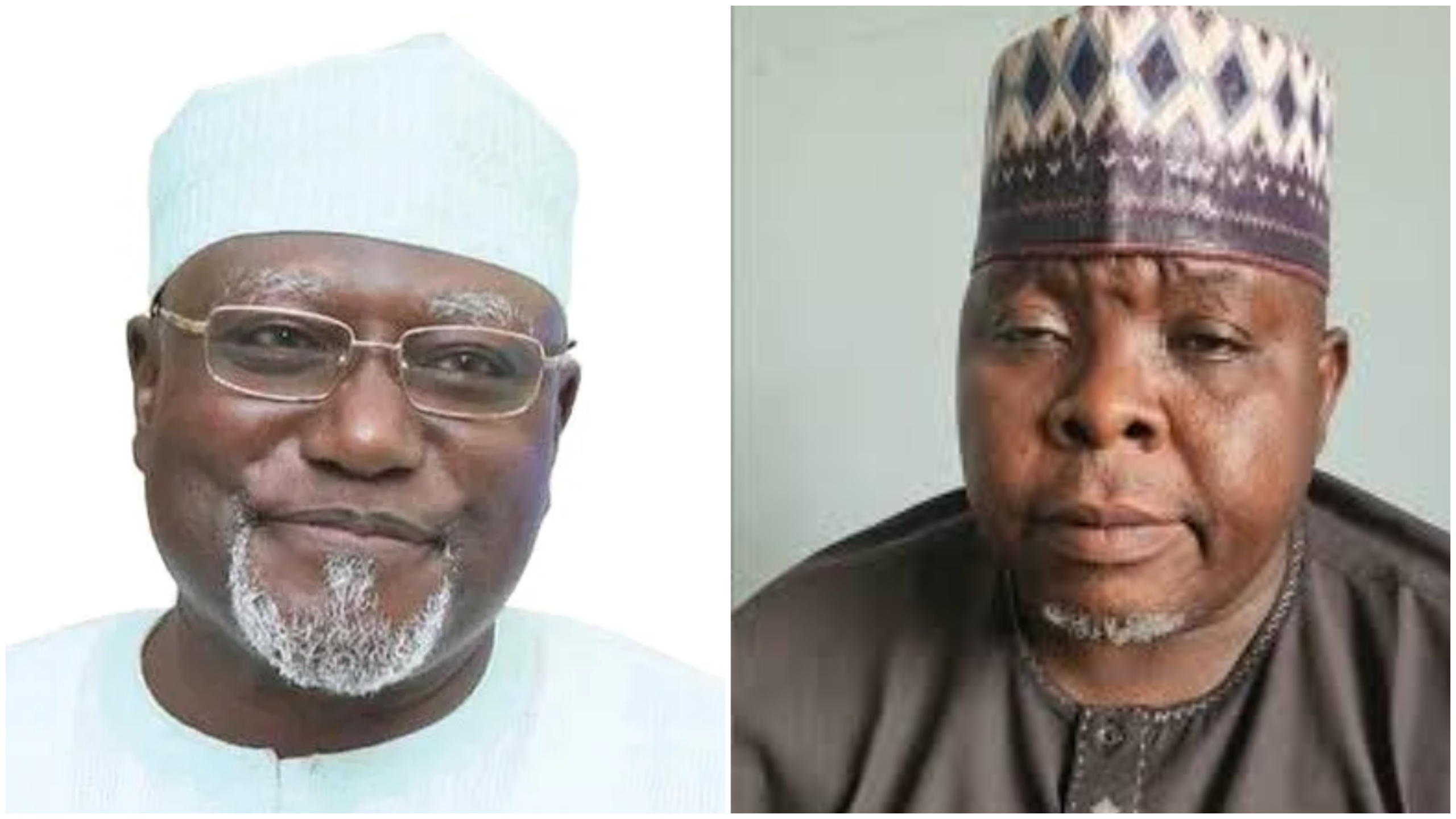
The other camp, led by Muhammad Rimi, includes prominent figures such as former Secretary to the State Government, Mustapha Inuwa; former Director-General of the State Security Service (SSS), Lawal Daura; former Senator Ahmed Kaita; and several other aspirants.
While the two camps continue to dispute which structure legitimately represents the ADC in Katsina, a separate dispute has emerged within the Rimi camp itself over how candidates were selected.
The result is a multi-layered crisis that now threatens to overshadow the party’s efforts to position itself as a credible opposition platform ahead of the 2027 elections.
The crisis predates the recent controversy over candidate emergence.
For months, rival groups had laid claim to the party’s structure in Katsina State.
The Wamba-led camp maintains that it constitutes the party’s recognised state leadership and argues that its congresses and primaries followed established procedures.
Through that process, the camp produced candidates for various elective positions, including the governorship candidate.
The rival camp, led by Mr Rimi, disputes the authority of the Wamba structure. The existence of the parallel structures has created confusion among party members and supporters over which leadership and candidates ultimately represent the party.
Mr Uli has consistently rejected suggestions that his candidacy emerged from a factional arrangement.
In an interview with PREMIUM TIMES, he argued that recognised party structures conducted congresses and primary elections that were monitored by officials of the Independent National Electoral Commission (INEC), security agencies and members of the media.
“My candidature came from the party, not from a faction,” he said.
Mr Uli further argued that many of the current disputes stem from attempts to operate outside recognised party structures.
“When did INEC invalidate anything?” he asked.
According to him, INEC officials monitored the party’s activities, including the primaries that produced candidates across the state.
He also disclosed that extensive reconciliation efforts were undertaken between rival groups, including negotiations involving different power-sharing formulas.
According to Mr Uli, proposals involving 50-50, 30-70 and 25-75 arrangements were discussed during negotiations, but the parties failed to reach an agreement.
The disagreement, he said, eventually reached the Court of Appeal.
While the Wamba-Uli camp has been defending the legitimacy of its primaries, another dispute has simultaneously emerged within the rival Rimi camp.
That controversy centres on efforts to produce consensus candidates for elective positions, particularly the governorship.
Mr Inuwa recently alleged that no valid primary election was conducted within the camp.
According to him, governorship aspirants were initially informed that candidates would emerge either through consensus endorsed by party members or through primary elections.
Instead, he alleged, a six-member committee was constituted to assess aspirants and rank them.
The committee reportedly placed a former senator, Ahmed Kaita, first and Mr Inuwa second.
“As far as Katsina is concerned, primaries were not conducted,” Mr Inuwa said while addressing supporters.
He questioned the criteria used by the committee and argued that allowing a handful of individuals to determine candidates deprived party members of the opportunity to participate in the process.
Mr Inuwa subsequently called for fresh primaries for governorship, National Assembly and State Assembly positions.
The dispute deepened further when Mr Daura publicly rejected the same process.