By Nnamaeka Ikerionwu
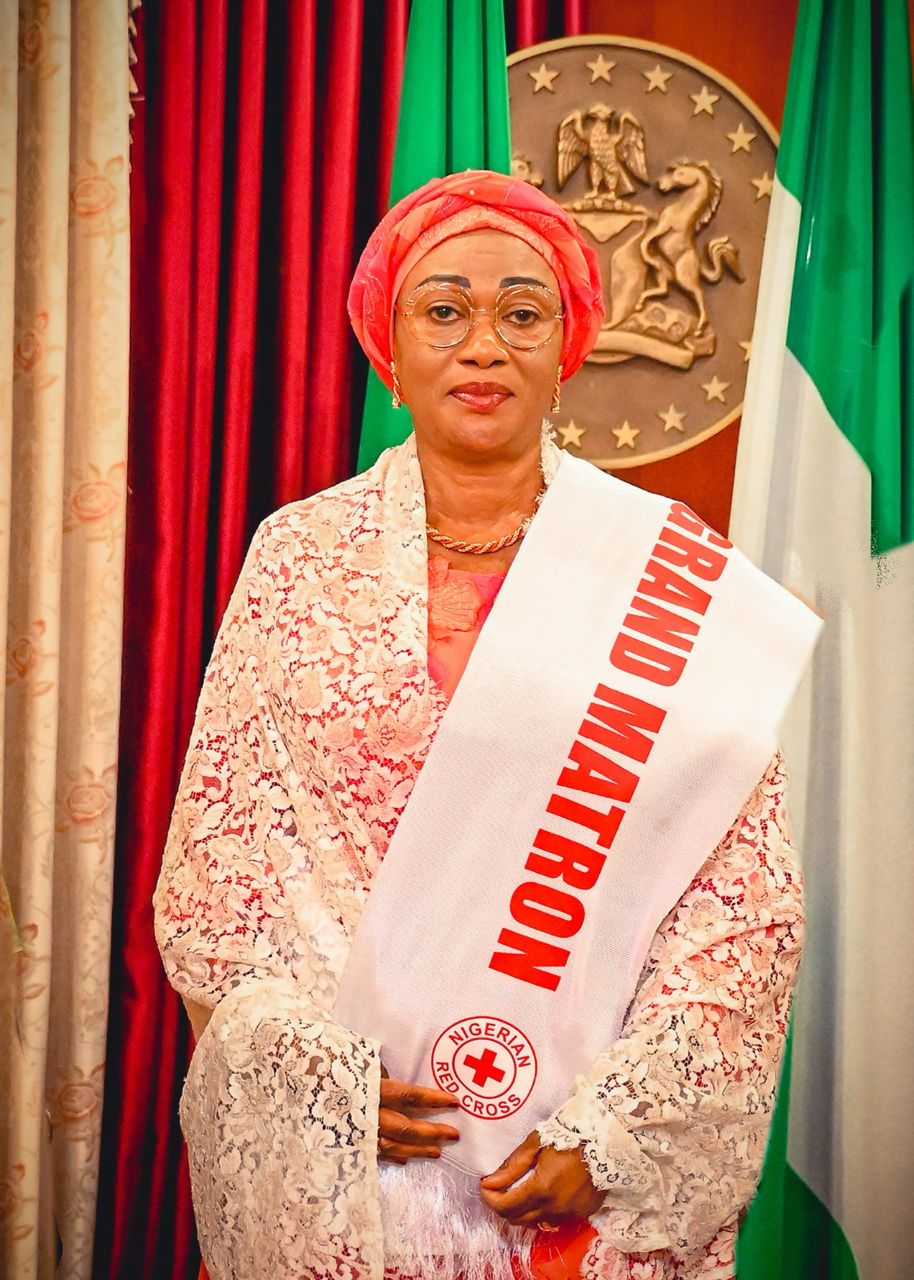
In a digital age powered by optics, it is easy to sit behind a screen, drink a 1,500-Naira cup of coffee, and look down on the woman selling kuli-kuli or okra by the roadside. Recently, First Lady Senator Oluremi Tinubu faced heavy backlash online for announcing micro-grants aimed at women entering or sustaining these small-scale, traditional businesses. Critics labeled it “degrading” or a sign of a “failed economy.”
But if you strip away the political noise and listen to the speech without bias, there is no malice to be found. Instead, there is a sober, strategic acknowledgment of a sector that keeps millions of Nigerian families alive: the informal economy.
The outrage stems from a dangerous misconception, the idea that a business must be corporate, air-conditioned, or tech-driven to have dignity or be lucrative. The reality on the streets of Lagos and across Nigeria tells a completely different story.
The Hidden Billions in the “Small” Businesses We Neglect
We live in a country where a graduate can be found at the bustling Cele Bus Stop, standing over a massive wok of frying buns. To the casual passerby, he is just a street vendor. But behind that smoke is a thriving enterprise that has funded the construction of a house in Ijegun. He isn’t waiting for a corporate job that might never come; he is an employer of himself, driven by market demand. Most of you reading this might know that guy.
Consider the “pure water” (sachet water) industry. Decades ago, if someone suggested a sachet water business to an educated man, he might have felt insulted, viewing it as a “poor man’s trade.” Today, the sachet and bottled water industry is a multi-billion Naira ecosystem. The people who swallowed their pride and invested early are raking in fortunes. One of my uncle rejected the proposal about 20 years ago.
From men frying akara to women packaging premium, hygienic kuli-kuli for export and high-end supermarkets, like a well-known sister in Christ Embassy (Jollyjollychops ) who has successfully branded her business wealth is being created in the places pride refuses to look. Please check her out and patronize her.
The Micro-Grant as a Ladder, Not a Destination
Not every Nigerian will work at NNPC, CBN, or a multinational bank. The modern economy requires diversification, and more importantly, it requires starting where you are.
A micro-grant is not meant to be a lifetime achievement award; it is a catalyst. It is a financial lifeline designed to lift a woman out of absolute vulnerability and give her a footing. For a rural woman or a struggling mother in a peri-urban community, a small grant to trade okra or produce local snacks is the difference between her children going to bed hungry and those same children staying in school.
Economic mobility is a ladder, and you cannot climb to the top without stepping on the first rung. History is full of people who started with the smallest trades to fund massive dreams. We all know of local barbers who saved every kobo from clippers and shaving powder to fund their dreams of traveling abroad to places like Germany, transitioning into entirely new chapters of global success. The small business was the engine that powered the bigger future.
Redefining Dignity in the Nigerian Marketplace
There is absolute dignity in any labor that puts food on the table, pays school fees, and keeps a citizen independent of charity. True economic empowerment does not start by giving everyone a laptop and telling them to code; it starts by injecting capital into the markets where the most vulnerable already know how to trade.
Instead of insulting initiatives that target the grassroots, we should be talking about how to help these women scale. How do we help the kuli-kuli seller package her goods to reach a wider market? How do we help the okra farmer preserve her harvest?
Senator Oluremi Tinubu’s speech wasn’t an insult to Nigerian women; it was a reflection of grassroots reality.
Millions of rural and low-income women will receive these grants, turn them into sustainable livelihoods, and train the next generation of graduates from the proceeds. You can become a billionaire, or the parent of one, from any legitimate business you do. It’s time we drop the corporate arrogance, look at the numbers, and respect the hustle.
To Senator Remi Tinubu. You may not be perfect, but you got this right.
Na woman you be.
Nnaemeka Ikerionwu is a Minister, Conference Speaker, Entrepreneur and Conversation Starter