A landmark global economic analysis, paired with a state-of-the-art heat solution cost-benefit calculator covering 11,408 cities worldwide, shows that investing in heat action saves billions in losses.
The report, Counting the Cost of Heat: The Case for Urgent Solutions for Cities, draws on global and regional evidence and grounds it in detailed economic modeling of four cities chosen for their sharply different climates and heat profiles: Ahmedabad in India, Bangkok in Thailand, Monterrey in Mexico, and Freetown in Sierra Leone. Across the four modeled cities, heat already drains as much as 4 to 8% of city GDP in an average year and claims more than 1,000 lives.
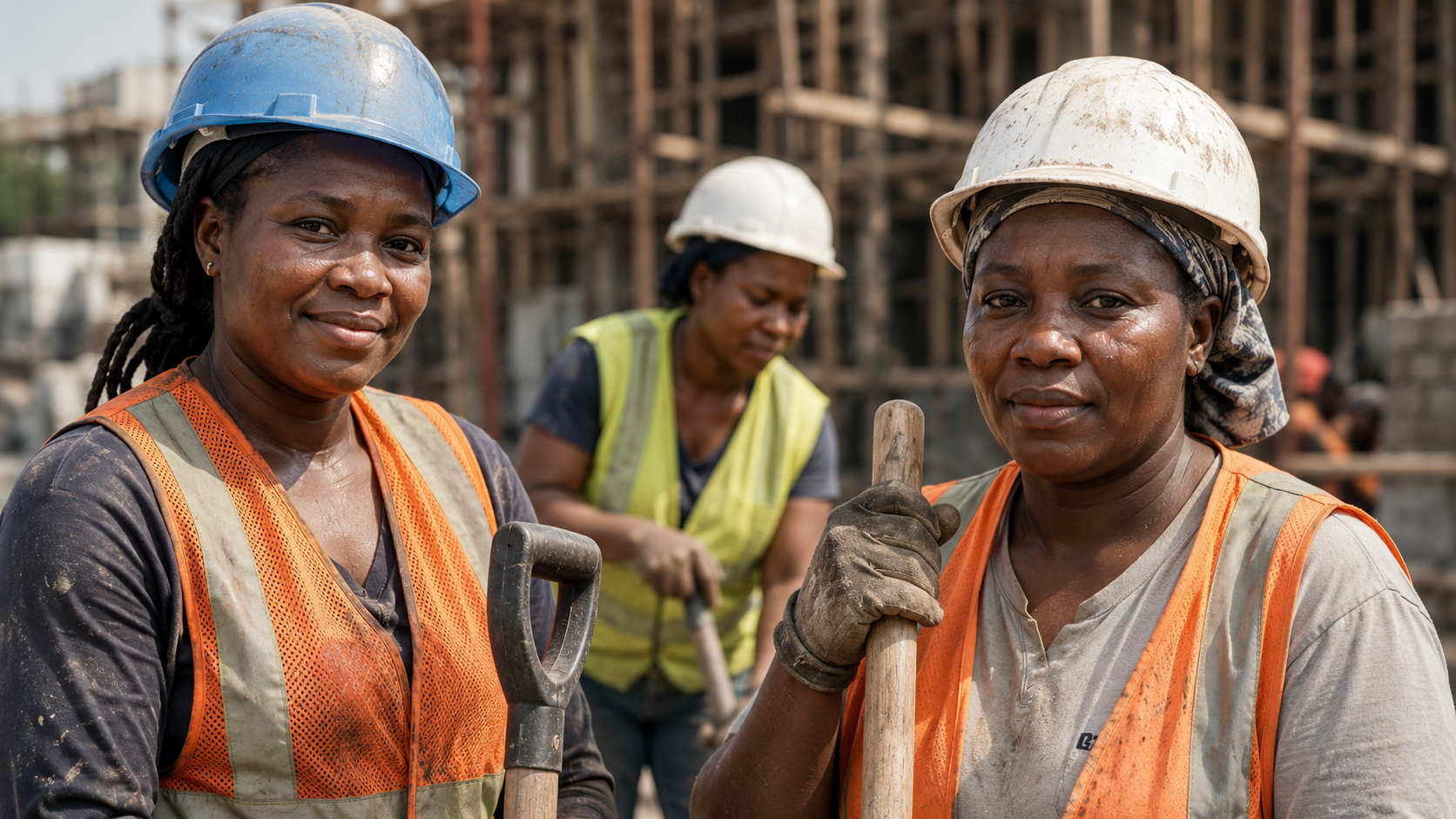
At the global level, informal sector women who bear a disproportionate burden, lose an estimated $57 billion in earnings each year to extreme heat (which represents 4-11% of their wages). Without targeted action, those impacts are projected to intensify three- to fivefold by 2050, driven by climate change, rapid urbanisation, and ageing populations.
“Extreme heat is draining growth, health, and equality, not a distant climate risk,” said Kathy Baughman McLeod, CEO of HERA. “The evidence in this report is unambiguous. Heat is taking a major toll on the women most exposed and least able to escape it, and it is quietly scarring the economies of cities that can least afford the loss. But the same evidence shows us the way out. The solutions exist, they are affordable, and they work.”
The report makes clear that the burden of extreme heat is not shared evenly. Women, especially the estimated 740 million who work in the informal sector globally, face the highest exposure and the least protection.
Key findings include:
Informal sector women in every region but the US and Europe lose an estimated $57 billion in earnings each year to extreme heat. Many women workers make as little as $3 per day.
Heat accounts for a larger share of women’s mortality than men’s, up to 20%, driven by a combination of physiological factors and the social and economic conditions that increase women’s exposure and reduce their capacity to adapt.
The damage ripples outward. Women reinvest up to 90% of their income back into their families and communities, so when heat cuts their earnings, spending on children’s education, nutrition, and healthcare falls with it. In Bangkok, extreme heat reduces women’s annual spending on their children by $500.
These individual losses do not stay individual. In Bangkok, heat-driven productivity losses reduce the city’s GDP by an average of 4% a year, the equivalent of the city government’s entire budget, and as much as 8% in an unusually hot year. In Freetown, extreme heat raises the average household debt-to-income ratio by 3% annually, crowding out investment in education and entrepreneurship.
In Monterrey alone, heat-related pre-term births are expected to more than triple over the next 25 years.
In the cities analysed, women suffer heat-driven annual productivity losses ranging from about 3% in Monterrey to 11% in Bangkok. Because they already earn less than men – from 66% less in Freetown to 4% less in Bangkok – even modest productivity losses translate into a greater proportional hit to household income, leaving fewer resources to fall back on.
Across the cities in this analysis, working women are consistently more likely than working men to be employed informally, reaching as high as 91% of employed women in Freetown (compared to 83% of employed men
The report highlights that rising nighttime temperatures, which in many cities are climbing faster than daytime highs, are a critical and often overlooked driver of illness and death.
Hot nights deny the body any respite, and together with compound heatwaves they account for 85% of heat-related mortality. The risk falls hardest on lower-income residents living in homes built from heat-trapping materials like corrugated iron and tin, a reality sharply felt in Freetown.
Despite the scale of the threat, the report’s central message is one of opportunity. A representative portfolio of low-cost interventions, including Heat Response Plans, urban green space, cool roofs, labor protections, and heat insurance, could reduce heat-related mortality by more than 36% by 2050 in the cities analyzed.
Crucially, these measures deliver exceptional value for money:
Heat Response Plans generate returns of between 12 and 90 times their cost, making them among the most cost-effective public health investments available.
Cool roofs lower indoor temperatures by 2 to 7°C (3.6 to 12.6°F) from the day they are installed, protecting the low-income households at greatest indoor risk.
Heat-related income loss insurance, designed for the poorest informal workers who fall outside formal protections, could reduce informal sector women’s earnings losses by over 40% by 2050.
The report stresses that these returns depend on inclusive design. Standard heat responses too often miss the people who need them most: early warning systems rely on phone ownership and literacy, cooling centres assume mobility and free time, and labor protections rarely reach the unregulated informal sector. Tailoring interventions to account for this protects the most exposed residents and maximizes the return on every dollar spent.
“We cannot keep designing heat responses as though everyone experiences heat the same way,” said Baughman McLeod. “When solutions are built with women in the informal sector, not just for them, they save more lives and protect more income per dollar than any blanket approach. That is the case for action, and it is a case decision-makers, employers, and investors can no longer afford to ignore.”
The report draws on the most comprehensive evidence to date of heat’s impacts on women, integrating climate projections, health and labor productivity modeling, gender-disaggregated economic analysis, and qualitative evidence from informal women workers, alongside city-specific case studies of those most affected, from how heat disrupts their sleep to how it spoils the wares they sell.
This analysis closes by setting out four urgent priorities: developing sustainable financing models, building deeper partnerships across sectors and levels of government, investing in better evidence on women-centered heat impacts, and closing the awareness gap through heat literacy. The case for action is clear, the document concludes, and the window for building heat resilience is narrowing.
HERA (Heat Resilience Action) is a global adaptation NGO dedicated to protecting the health, income, and dignity of women on the frontlines of extreme heat. HERA partners with local organisations, bringing expertise, capacity, and resources to co-design and deliver practical, scalable solutions for a hotter world.