4 min readJun 23, 2026 11:34 AM IST
Iran’s Parliament Speaker Mohammad Bagher Ghalibaf Monday claimed that the Strait of Hormuz will never return to its pre-war operational status, while asserting that Iran will manage the strategic waterway, news agency ANI reported quoting Iranian state media Press TV.
Speaking in an interview to Press TV, Ghalibaf said Iran would exercise control over the key maritime passage, while adhering to international regulations. “Everyone should know that the administration of the Strait of Hormuz will never go back to the way it was before the war,” he said, adding, “Of course, international regulations will be observed, but Iran will administer the Strait of Hormuz.”
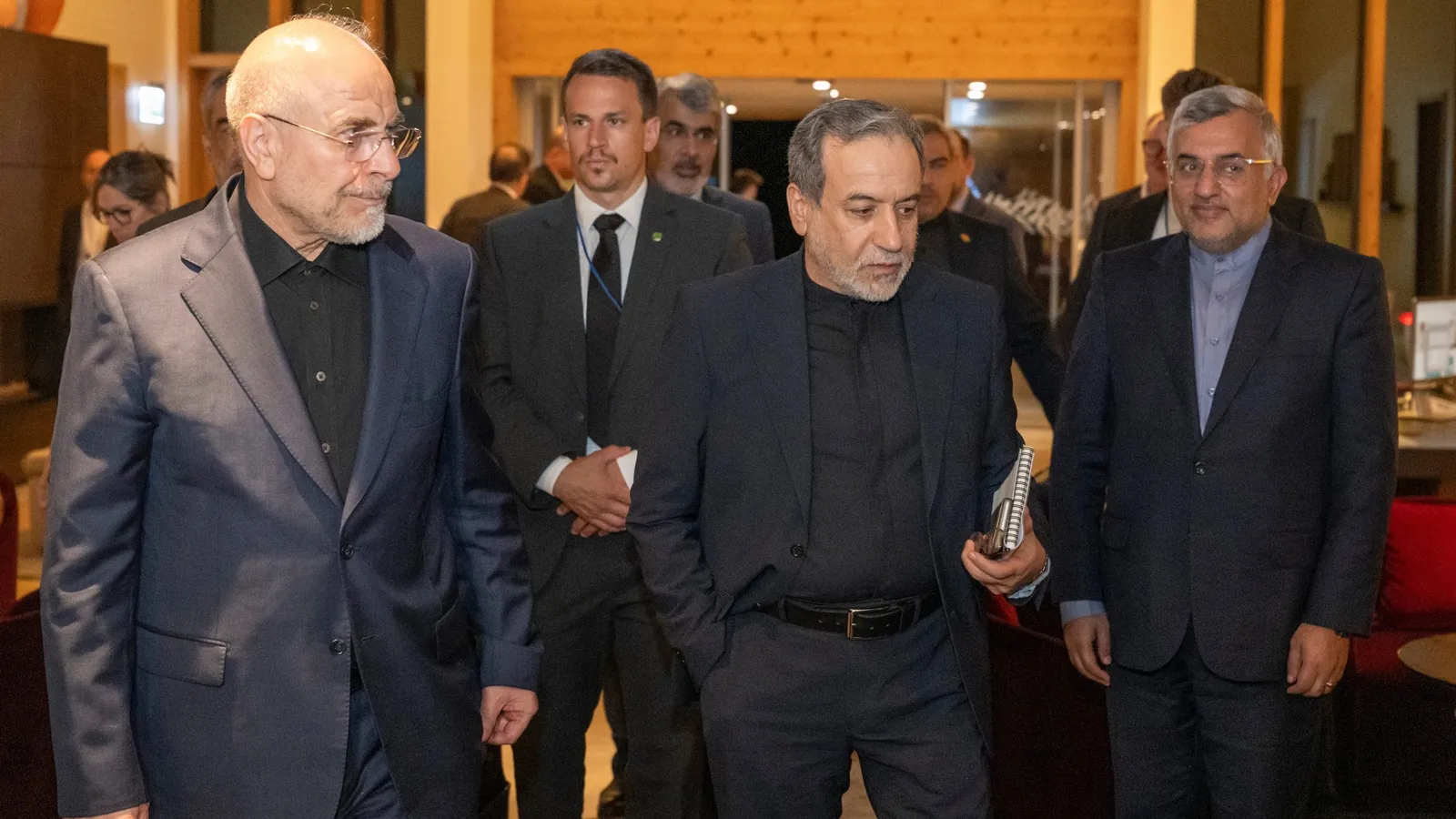
His comments come after he returned from Switzerland concluding the initial round of high-stakes talks with the United States as part of the 14-point memorandum of understanding (MoU) between the two sides.
Tehran’s diplomatic impact
Ghalibaf, addressing the media, also informed that Iran successfully demonstrated its negotiating leverage during talks in Switzerland, and claimed Tehran was able to influence the outcome of discussions, ANI quoted.
Additionally, Iran was able to push the US to revise a social media post, where US President Donald Trump had threatened Iran against supporting its ‘proxy groups’ in the region, especially in Lebanon, within an hour, the Iranian Speaker alleged.
He, however, reiterated that Iran’s trust upon the US continues to be feeble.
“We have never trusted the Americans; we don’t trust them now, and it is only reasonable to remain distrustful in the future,” he told Press TV.
Story continues below this ad
He also claimed that Iran’s participation in the talks helped prevent further escalation in regional tensions. “Had we not gone to Switzerland [for talks with the US], more blood would have been shed among Muslims and Shias in Lebanon at any moment,” he said.
‘Iran will monitor developments’
Ghalibaf said that talks in Switzerland also entailed discussions on issued pertaining to Lebanon’s territorial integrity and regional ceasefire arrangements, adding that Iran will continue to monitor these developments, ANI quoted.
Iran’s top negotiator also emphasised the country’s political stance, calling for unity among its leadership. He also stated that the final authority lay with the Supreme Leader of Iran, Ayatollah Seyyed Mojtaba Khamenei.
“We must remain united under the leadership of Ayatollah Seyyed Mojtaba Khamenei and recognise that his word and directives are final,” ANI reported quoting the speaker.
Story continues below this ad
Outcomes of the US-Iran talks
Ghalibaf, in his interview, also said that the release of frozen Iranian funds and easing of oil sanctions were the outcomes of the recently-concluded discussions between Tehran and Washington.
Earlier, US Vice President JD Vance also suggested that President Donald Trump’s administration could agree to unfreeze Iranian assets for purchases of US wheat, corn and soy, AP reported.
Both sides have agreed to a 60-day road map for a final agreement, established a Lebanon “de-confliction” mechanism, set up a direct communication line for the Strait of Hormuz, and approved trade, oil, and asset relief measures.
Stay updated with the latest – Click here to follow us on Instagram