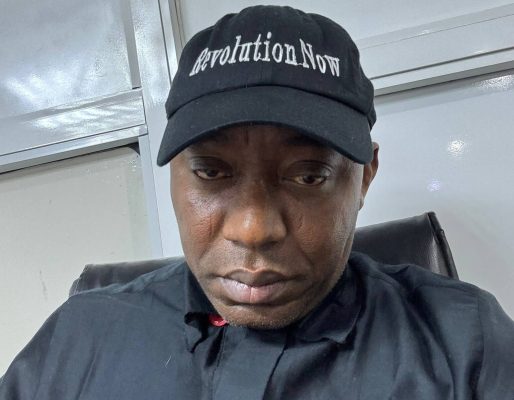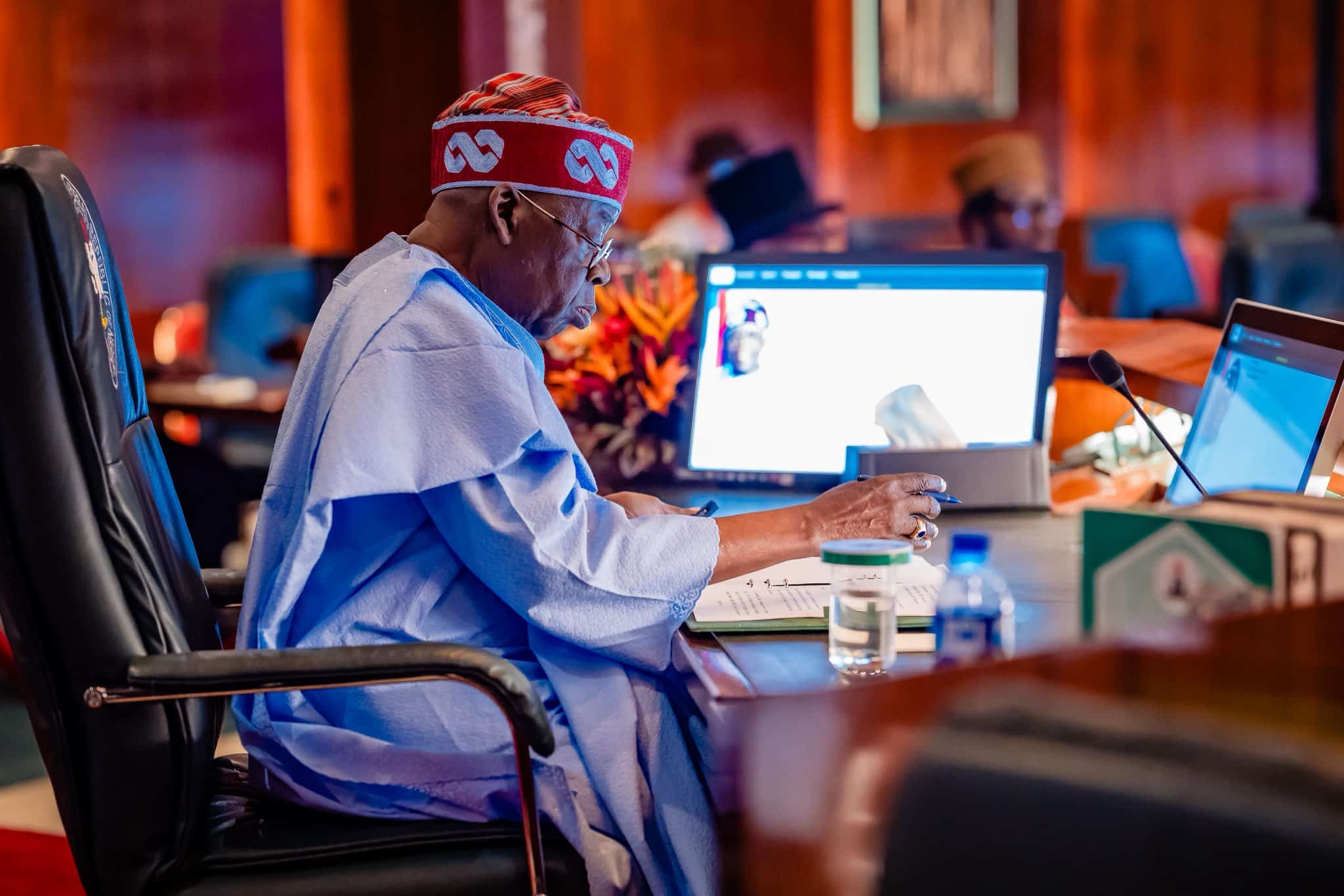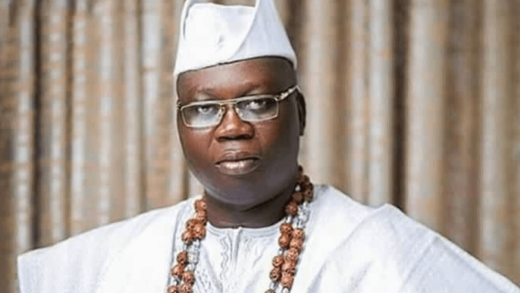
The Aare Ona Kakanfo of Yorubaland, Iba Gani Adams and Prof. Akin Alao of the Obafemi Awolowo University (OAU), have stressed the need for effective security reforms and speedy completion of legislative processes that will allow the establishment of state police.
Specifically, they urged President Bola Tinubu and the Senate to expedite action on passing the state police bill into law.
This comes after the House of Representatives gave its nod for the establishment of state police following a constitutional amendment process.
Speaking at the Oodua Progressive Union (OPU) North America Online Summit 2026, the two eminent personalities expressed deep concern over the escalating insecurity that has severely impacted the peace and socio-economic wellbeing of the country and indeed, Yorubaland.
They argued that with well-equipped state police forces across all states of the federation, incidences of insecurity will be greatly reduced, if not totally stamped out.
With the theme, ‘Insecurity and the Degradation of Socio-Economic Life in Yorubaland: Seeking Sustainable Solutions,’ the summit brought together distinguished members of the Yoruba community across the world to deliberate on pressing issues affecting Yorubaland and Nigeria.
Adams maintained that aside from the creation of state police, there was also an urgent need for Southwest state governors and the presidency to collaborate with private security groups, which have strong networks and intelligence across the grassroots, to ensure that incidences of insecurity are stopped decisively.
Iba Adams bemoaned the alarming rise in banditry, kidnappings for ransom, communal conflicts, and general lawlessness that have instilled fear in communities from urban centres like Ikeja in Lagos to rural areas across the Southwest.
He painted a picture of the socio-economic consequences of insecurity, noting that Yorubaland, traditionally an agricultural hub, has seen significant decline in farming activities due to safety fears, threatening food security and increasing rural poverty.
“Trade and commerce have suffered, with markets and businesses closing or operating at reduced capacity, while nightlife and related economic activities have virtually disappeared in many cities.
“The hesitancy of local and foreign investors to commit resources to our region has resulted in economic stagnation, rising unemployment, and poverty,” Adems said
Beyond security reforms, Iba Gani Adams emphasised the need for comprehensive socio-economic strategies to reverse the negative effects of insecurity in the southwest region.
He called on governments at all levels to implement skills training and vocational programmes for youth, facilitate access to finance for small and medium enterprises, and support farmers with inputs and market access to revive agriculture.
He also stressed the importance of transparency and accountability among state and local government officials to combat corruption and foster development.
In his keynote speech, Professor of History at OAU, Prof. Alao, also re-echoed the need for government to restructure the nation’s security structure for effectiveness.
Alao advised that regional security initiatives should be strengthened through improved operational capacity, intelligence sharing, provision of modern technology, and sustainable funding.
He also advocated that greater attention should be given to security of rural communities and agricultural zones to encourage farmers to return to their lands and restore food production.
“One implication of the insecurity in the Southwest is the relocation of investors and manufacturers to Ghana and other neighbouring countries. Money is no longer circulating after 6pm because of reduced commerce. It is disturbing that many of the criminal activities are also being coordinated by condemned criminals from the prison.
“We must set aside a Southwest Security Trust Fund, which can be used to fund regional and local security initiatives to secure our land,” Alao said.
Prof. Alao recalled that the onslaught of the bandits and terrorists on the southwest borders on an expansionist plot by the Fulani, which the Yoruba people have always historically conquered.
Earlier in her opening speech, the Continental Co-ordinator, OPU North America, Hon. Toyin Alowonle, said the essence of the summit was to proffer urgent sustainable solutions to the intertwined problems of insecurity and socio-economic decline in Yorubaland.
She urged Yoruba sons and daughters at home and in the Diaspora not to relent in collaborating and advocating for a more peaceful and prosperous Yorubaland, stressing that the future of the people rests on a “collective willingness to fight for our homeland.”
“It is time to rise above sectional interests and work together towards building a secure, peaceful, prosperous, and united Yorubaland,” she said.
Alowonle praised Iba Adams for his vision in setting up the OPU, which has been impacting the society in many positive ways since its establishment.
General Secretary, OPU North America,
Otunba Kemi Agbeke, in her brief remarks, appealed for collective will and unity among traditional rulers, government officials, community leaders, youth, women, and the diaspora community to overcome the challenges facing Yorubaland.
On his part, OPU Publicity Secretary, Prince Adebayo Olasunkanmi, who moderated the event, implored governments to address the root causes of insecurity, including unemployment, poverty, social exclusion, and the proliferation of criminal networks.
Participants at the summit include the Deputy Secretary, Chief Victor Abolarinde; Financial Secretary, Chief Samson Adesina; Princess Modupe Oyinsan; Publicity Secretary, Adewale Odunuga; Deputy Publicity Secretary, Princess Seyi Oyewale; Organising Secretary, Chief Funmi Olumade (Iyameto); Programme Director, Chief Omotunde Balogun; Welfare Secretary,
Olufunke Agboola; Baba Oodua North America, Prince Michael Daramola;
Secretary General Worldwide, Alhaji Luqman Adedire; Iya Oodua North America, Chief Florence Epee; Iya Oodua Worldwide, Chief Modupeola Akewusola; and Baba Oodua Worldwide, Otunba Adewale Adepoju.
More details here...