By: Dr James Bwala
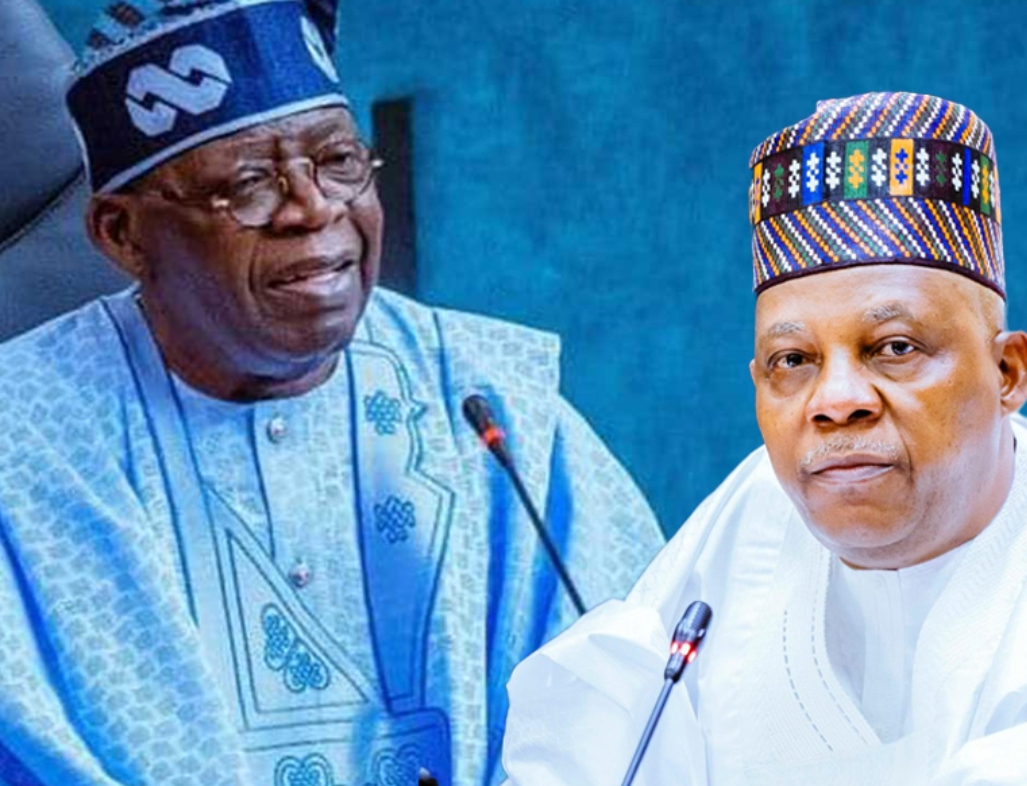
Citizens across the country may be falling into the trap – private armaments – heading towards new insecurity dimensions. That is what those fuelling the insecurity are expecting to happen, and Nigeria may be heading towards their prediction – to disintegrate. It did not happen in 2015 as expected, and the frustration grows even thicker. Insecurity in Nigeria has escalated to a perilous stage, according to certain reports in 2026, casting a long shadow over the nation’s quest for stability and development under the Tinubu and Kashim Shettima administration. The relentless surge in terrorism, banditry, kidnapping, and other violent crimes has sown widespread fear among Nigerians, eroding trust in the government’s capacity to safeguard its citizens. This erosion of confidence has inadvertently fuelled calls for self-defence through armed resistance—a development fraught with dangerous implications that could propel Nigeria towards widespread disorder. It is imperative to recognise that while the desire for safety is legitimate, advocating for civilian armament as a remedy threatens the fragile fabric of law and order, undermines state authority, and risks plunging the country into chaos.
The unsettling loss of faith in the institutions charged with protecting Nigerians sends a red signal. When individuals publicly proclaim slogans such as “Sell your properties and buy guns”, as advocated by Sheikh Muhammed Bello Aliyu Yabo following the turn of events in Sokoto, it starkly manifests the depths of their desperation and fear. This phrase is more than a mere expression; it is a distress signal from communities that feel abandoned by the state. Such sentiments underscore a profound disconnection between citizens and security agencies, signalling that the social contract—whereby the government guarantees security in exchange for civic obedience—is under severe strain.
The implication that personal protection now requires private armament reveals the failure of conventional security mechanisms to provide timely and effective responses.
Compounding this crisis is the politicisation of insecurity, which further deepens public mistrust and exacerbates the problem. For instance, political comments by the Senate President, Senator Godswill Akpabio, suggesting that “insecurity will end after the 2027 elections” transform what should be treated as an immediate national emergency into a political talking point tied to electoral timelines. This rhetoric is not merely insensitive; it is dangerously dismissive of the lived realities of countless Nigerians who face daily threats to their lives and property.
By framing security as a future promise contingent upon political change, leaders risk alienating the populace and perpetuating a climate of impunity where offenders operate with increasing audacity.
The observation that “terrorists are evolving faster than governments” by the ADC presidential candidate and former vice president, Alhaji Atiku Abubakar, highlights a critical strategic imbalance in the ongoing fight against criminal networks and insurgent groups. These actors demonstrate a disturbing capacity to adapt rapidly, leveraging local terrain knowledge, technology, and social networks to evade and outmanoeuvre state forces.
While this assertion might serve as a critique of governmental inefficiency, it also implicitly acknowledges the dynamic and sophisticated nature of contemporary security threats. The danger here is not solely tactical but symbolic: if citizens perceive their protectors as consistently outpaced and outmanoeuvred, their confidence will continue to deteriorate, fuelling the temptation to resort to self-help measures.
Perhaps most alarming is the endorsement of armed self-defence by traditional authorities, encapsulated in calls to “acquire arms to defend yourselves” by Sarkin Kabin Argungu, Alhaji Muhammadu Sama’ila Mera. This development lends considerable weight to the narrative that state security apparatuses have faltered so gravely that even respected community leaders feel compelled to advocate for civilian armament. Such endorsements can legitimise the proliferation of unofficial armed groups and vigilante actions, eroding the monopoly on violence traditionally held by the state. While these leaders may be motivated by genuine concern for their communities, their encouragement of self-armament risks unravelling established legal and institutional frameworks, facilitating an environment ripe for lawlessness and inter-communal strife.
The acceptance of armed civilian resistance as a viable response to insecurity raises profound concerns about the potential for vigilantism and the emergence of unregulated militias. When citizens take up arms outside the remit of recognised authority, the boundaries between lawful defence and criminality become blurred. This ambiguity can precipitate cycles of violence, where retaliatory attacks and mistrust escalate conflicts rather than resolve them. Additionally, the existence of multiple armed actors with varying loyalties and objectives complicates efforts by state forces to enforce the rule of law, potentially leading to fragmented authority and contested governance across regions.
Nigeria’s demographic and geopolitical context intensifies the gravity of these developments. Home to over 230 million people, the country is Africa’s most populous nation and wields considerable influence in the West African sub-region. Thus, deteriorating internal security carries ramifications beyond national borders, threatening regional stability and economic integration efforts. Spillover effects could manifest through increased refugee flows, cross-border crime, and the spread of violent extremism, which would complicate collective security arrangements and diplomatic relations within the region. The stakes, therefore, transcend domestic politics, positioning Nigeria’s insecurity crisis as a matter of continental concern.
Addressing this multifaceted challenge necessitates a comprehensive, coordinated, and urgently implemented strategy anchored in restoring public confidence in security institutions. Strengthening these institutions involves not only equipping and training security personnel but also reforming operational doctrines to prioritise community engagement, intelligence-led operations, and accountability mechanisms. Transparency and responsiveness must replace opacity and impunity to rebuild the trust that has been severely eroded. Moreover, addressing the root causes of insecurity—including poverty, unemployment, ethnic marginalisation, and governance deficits—is essential to curtailing the recruitment and support base of criminal and insurgent groups.
Political leaders bear a special responsibility to depoliticise security issues and demonstrate commitment through concrete actions rather than rhetoric. Treating insecurity as a transient campaign issue or political bargaining chip fuels cynicism and undermines the prospects for sustainable solutions. Instead, security must be elevated as a non-negotiable national priority transcending partisan divides. Inclusive dialogue involving government, opposition, traditional authorities, civil society, and community representatives can foster shared ownership of security challenges and promote collaborative approaches grounded in mutual trust.
Crucially, discouraging the proliferation of unauthorised arms and resisting calls for armed civilian militias are imperative to preserving the state’s monopoly on legitimate force. While the impulse towards self-defence is understandable, endorsing it risks igniting cycles of violence that would further destabilise the country. Instead, enhancing community policing initiatives, promoting neighbourhood watch programmes under official supervision, and deploying rapid response units can provide safer alternatives that empower citizens without compromising legal norms.
The current trajectory of insecurity in Nigeria is alarming and demands urgent, decisive intervention. The rise in public advocacy for armed resistance signals a breakdown in the foundational relationship between the state and its citizens—a relationship predicated on trust, protection, and the rule of law. Succumbing to the dangerous allure of civilian armament risks unmooring the nation from these principles, ushering in widespread disorder that could engulf entire regions and jeopardise the country’s future.
To avert this outcome, Nigerian leadership, security agencies, and society at large must unite to restore confidence, reinforce institutional capacities, and address underlying grievances. Only through a holistic and inclusive approach can Nigeria hope to reclaim peace and security for all its citizens, safeguarding its sovereignty, and fulfilling its potential as a pillar of stability in Africa.
James Bwala, PhD, is a security analyst and writes from Abuja.