Iran is approaching the current negotiations with the United States according to a deliberate, long-term strategy—not out of fear of President Trump, but from the belief that his negotiating team has identifiable weaknesses it can exploit, according to an analysis published by Israel Hayom.
Tehran does not view Trump as an unpredictable leader. Instead, Iranian officials see him as a rational decision-maker constrained by political and economic realities, including the approaching U.S. midterm elections, growing public opposition to costly wars, and the challenge of assembling an international coalition during a global energy crisis.
Iran’s strategy closely follows the negotiating principles laid out by Iranian Foreign Minister Abbas Araghchi in his 2025 book on negotiations. Those principles emphasize persistence, repeatedly returning to the same positions, refusing to offer concessions before negotiations mature, and using time itself as leverage against the opposing side.
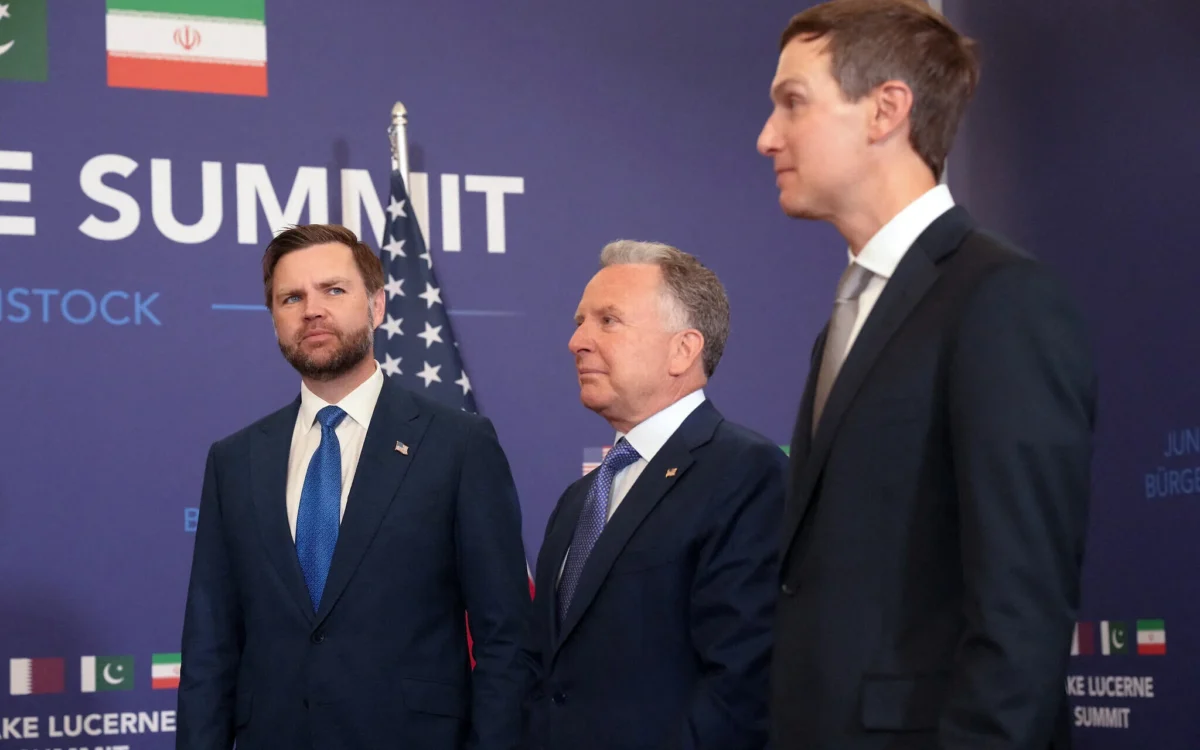
Iran has also carefully mapped the balance of power within the Trump administration, contrasting Secretary of State Marco Rubio with a negotiating team centered on Vice President JD Vance, Steve Witkoff, and Jared Kushner. The piece says Tehran views that group as primarily focused on securing a rapid agreement, noting that some members have significant business interests in Qatar, a country that has played a central mediating role in the talks.
The piece describes Iran as employing a calculated “good cop, bad cop” strategy, presenting its diplomats to Washington as pragmatic dealmakers while portraying the Islamic Revolutionary Guard Corps (IRGC) as the hardline faction that could derail negotiations if an agreement is not reached quickly. It argues that this approach has increased pressure on the American negotiating team to secure a deal.
(YWN World Headquarters – NYC)