3 min readJun 19, 2026 09:31 PM IST
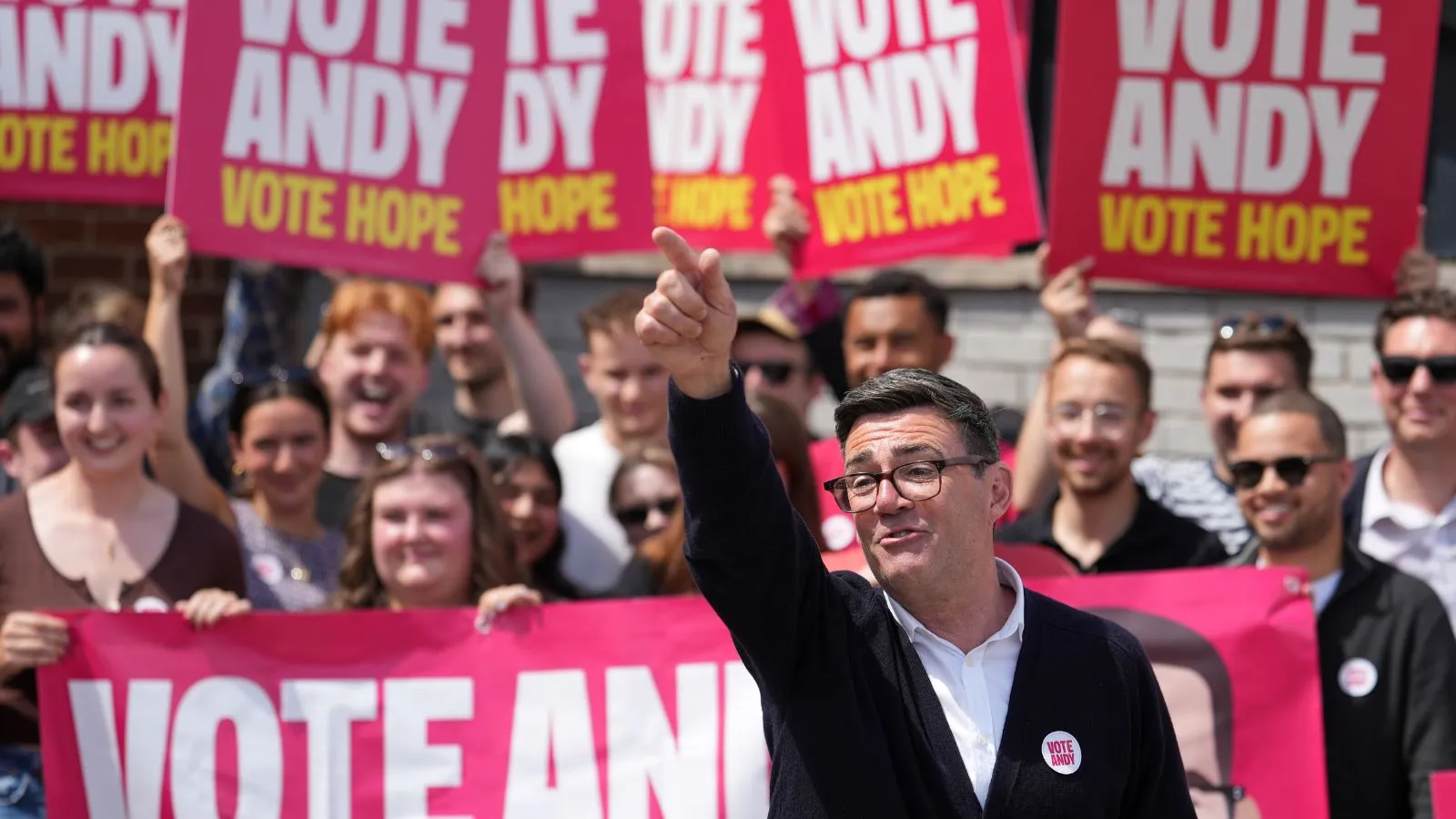
Greater Manchester Mayor Andy Burnham’s emphatic victory in the Makerfield by-election has intensified questions about the future of British Prime Minister Keir Starmer’s leadership, as Labour grapples with falling popularity just two years after its landslide election victory.
According to Reuters, Burnham won the northwest England constituency with 58.4 per cent of the vote, comfortably defeating Reform UK, whose candidate secured 34.5 per cent. The result is being viewed by many within Labour as evidence that Burnham remains one of the party’s strongest electoral performers and could help counter the growing appeal of Nigel Farage’s Reform UK.
The victory has reignited speculation about Labour’s future direction as the party struggles to recover from disappointing local election results and declining approval ratings.
Burnham calls for Labour to change course
Addressing supporters after the result, Burnham said Labour needed to respond to voters’ concerns and embrace change.
“I did talk about the need to change Labour … and we’ve got to now take this moment and answer the challenges that have been laid down. It is our last chance to change, but we are going to take it … and we are going to lay out a new path for Britain,” Reuters quoted him as saying.
Burnham’s speech focused on issues such as affordability, utility bills and reindustrialisation. He argued that Labour needed to offer voters renewed optimism and a clearer economic vision ahead of the next general election, due by 2029.
While Burnham did not explicitly challenge Starmer’s leadership, his victory has strengthened the perception among some Labour MPs that he could emerge as a future contender should the party seek a change at the top.
Story continues below this ad
Pressure grows on Starmer
Starmer has repeatedly insisted that he intends to serve a full term as prime minister. However, criticism within Labour has intensified following the party’s setbacks in local elections and a series of policy reversals.
Reuters reported that a growing number of Labour lawmakers have questioned Starmer’s leadership, while some party figures have privately discussed potential successors if Labour’s fortunes do not improve.
If Starmer were eventually forced out, Britain would see its seventh prime minister in just over a decade, highlighting the political volatility that has characterised British politics in recent years.
Labour divided over next steps
Despite growing unease, Labour remains divided on whether a leadership contest would help or further damage the party.
Story continues below this ad
Former cabinet minister Louise Haigh told the BBC that Labour should avoid a divisive internal battle if possible.
“That Andy and the prime minister can speak over the coming days. We want to avoid a leadership contest if possible, and we hope that we can agree on a way forward,” she said.
Under Labour Party rules, any leadership challenge would require the backing of at least 20 per cent of Labour MPs before a formal contest could begin.
For now, Burnham’s victory has not triggered a leadership challenge. But it has strengthened debate within Labour about whether Starmer remains the right person to lead the party into the next general election.
(With inputs from agencies)