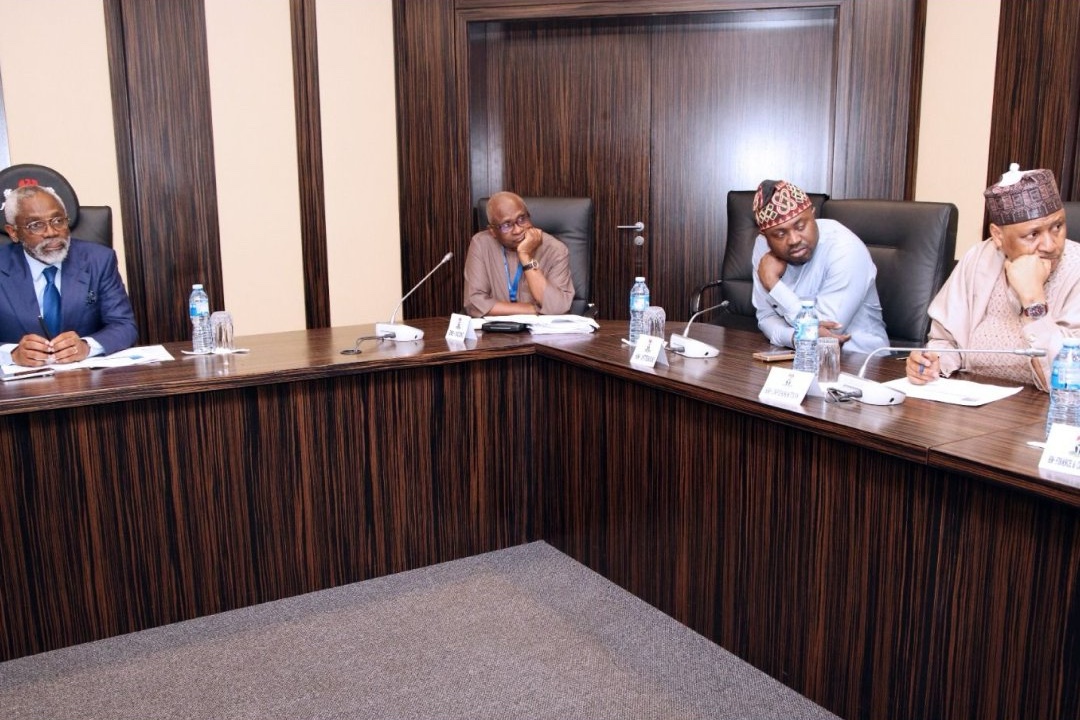
Mr Gbajabiamila said the government was determined to avoid a repeat of the events of 2014, when an infected traveller brought the virus into Nigeria, triggering an emergency public health response
The federal government has inaugurated a Presidential Task Force on Ebola Virus Disease Preparedness as part of efforts to sustain Nigeria’s zero-case status and strengthen the country’s capacity to respond to potential outbreaks.
Speaking at the inauguration on Thursday at the State House, the Chief of Staff to the President, Femi Gbajabiamila, who chairs the task force, said there were currently no reported cases of Ebola in Nigeria.
Mr Gbajabiamila said the government was intensifying preventive measures to ensure the country remains free of the disease while positioning itself to take a leading role in epidemic preparedness and response across Africa.
“We inaugurated the committee today on Nigeria’s preparedness for the Ebola Virus Disease. We have covered a lot of ground, and there are presently no reported cases in the country, which is good news,” he said.
He stressed that Nigeria’s approach is centred on prevention rather than cure, noting that lessons from previous outbreaks, particularly the 2014 Ebola outbreak, have informed the development of stronger surveillance and response systems.
Mr Gbajabiamila said the government was determined to avoid a repeat of the events of 2014, when an infected traveller brought the virus into Nigeria, triggering an emergency public health response.
According to him, the task force has established structures and subcommittees to address critical areas of preparedness and response.
“We do not want a repeat of what happened during the last outbreak when a carrier entered the country, and everyone was scrambling to respond,” he said.
He added that the government was building permanent systems that would remain effective even years after the current threat had passed.
“We want to put in place permanent arrangements and structures so that in two or three years, if another outbreak occurs, we will not be running from pillar to post trying to establish response mechanisms,” he said.
Mr Gbajabiamila said special attention was being given to international airports and land borders because of the high volume of cross-border movements.
He noted that the federal government was working closely with states hosting international airports, including Lagos, Kano, Rivers, Enugu and the Federal Capital Territory, to strengthen monitoring and rapid-response mechanisms.
Mr Gbajabiamila said agencies responsible for border management and immigration, as well as border communities, had been incorporated into the preparedness framework.
He explained that the task force includes committees on border management, immigration control and disease surveillance, while the Nigeria Centre for Disease Control and Prevention (NCDC) will provide overall technical leadership and coordination.
The inauguration brought together senior government officials and public health experts, including the Minister of Information and National Orientation, Mohammed Idris; the Minister of Interior, Olubunmi Tunji-Ojo; and the Director-General of the NCDC, Jide Idris.
Others in attendance included representatives of state health ministries, the World Health Organisation (WHO), airport authorities, epidemiologists and public health organisations.
The inauguration comes about a week after President Bola Tinubu approved the establishment of the Task Force and authorised the release of N10 billion in emergency intervention funding to strengthen Nigeria’s readiness against a possible outbreak.
As PREMIUM TIMES previously reported, the fund is intended to bolster the operational capacity of the NCDC and support critical public health emergency response activities across the country.
The Task Force, chaired by Mr Gbajabiamila, was created following a high-level stakeholder meeting that reviewed Nigeria’s preparedness and developed strategies to prevent the importation of Ebola into the country.
The federal government’s actions followed renewed Ebola outbreaks in the Democratic Republic of the Congo and Uganda, prompting concerns about the risk of cross-border transmission.
Authorities subsequently announced plans to strengthen surveillance at airports and land borders, activate isolation and referral facilities, and improve coordination among health, aviation and security agencies.