(Oil price. Photo by BBC News)
Oil prices have fallen to their lowest point since before the Iran war, as traffic through the Strait of Hormuz gradually resumes following diplomatic progress between the United States and Iran.
Global benchmark Brent crude briefly dipped below $72.48 a barrel the level recorded the day before the US and Israel launched att@cks on Iran on February 28 before edging back up to $72.63.
Energy markets have been highly volatile since Iran responded to the strikes by effectively closing the strait, a critical waterway for global oil and gas shipments.
Prices have been declining steadily since the US and Iran signed a Memorandum of Understanding on June 17, which established a 60-day window for negotiations on Tehran’s nuclear programme and other measures aimed at ending the conflict.
Talks held in Switzerland last weekend between representatives of both sides resulted in the US partially lifting sanctions on Iranian oil exports.
According to maritime intelligence firm Kpler, the number of vessels crossing the Strait of Hormuz has risen significantly since the MOU was signed, with recent traffic including ships carrying crude oil, liquefied natural gas, fertiliser, and other commodities.
Mediators Qatar and Pakistan disclosed in a joint statement on Monday that the US and Iran had also established a communication channel aimed at ensuring safe passage for commercial vessels through the waterway.
Maritime risk advisory firm Marisks estimated that approximately 80 ships had crossed the strait since Monday following the first round of peace talks.
However, traffic remains below pre-war levels, when more than 100 vessels used the route daily, with hundreds of ships still reported to be waiting in the Gulf.
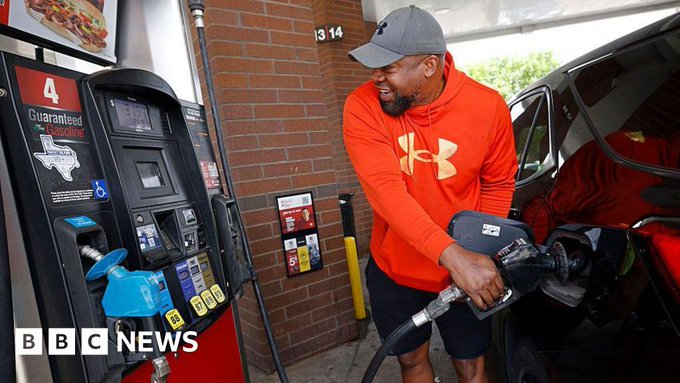
Fuel prices at the pump have begun to ease but remain elevated.
The average price of regular gasoline in the US has dropped to around $3.93 per gallon after reaching $4 in April its highest since 2022 but is still well above pre-war levels.
US President Donald Trump on Wednesday ordered an investigation into major energy companies including Shell and ExxonMobil, accusing them of failing to pass on the benefit of falling oil costs to consumers.
The American Petroleum Institute pushed back, noting that fuel prices do not move in direct correlation with crude oil prices.
Similar accusations have been levelled at British energy firms, though the UK competition watchdog said last month it found no widespread evidence of unfair pricing, adding that average profit margins had remained broadly unchanged between February and March.