5 min readJun 23, 2026 01:47 PM IST
A proposed $300 billion reconstruction and development fund for Iran that was included in a recently signed memorandum of understanding (MoU) between the United States and Iran, has emerged as a major political flashpoint in Washington.
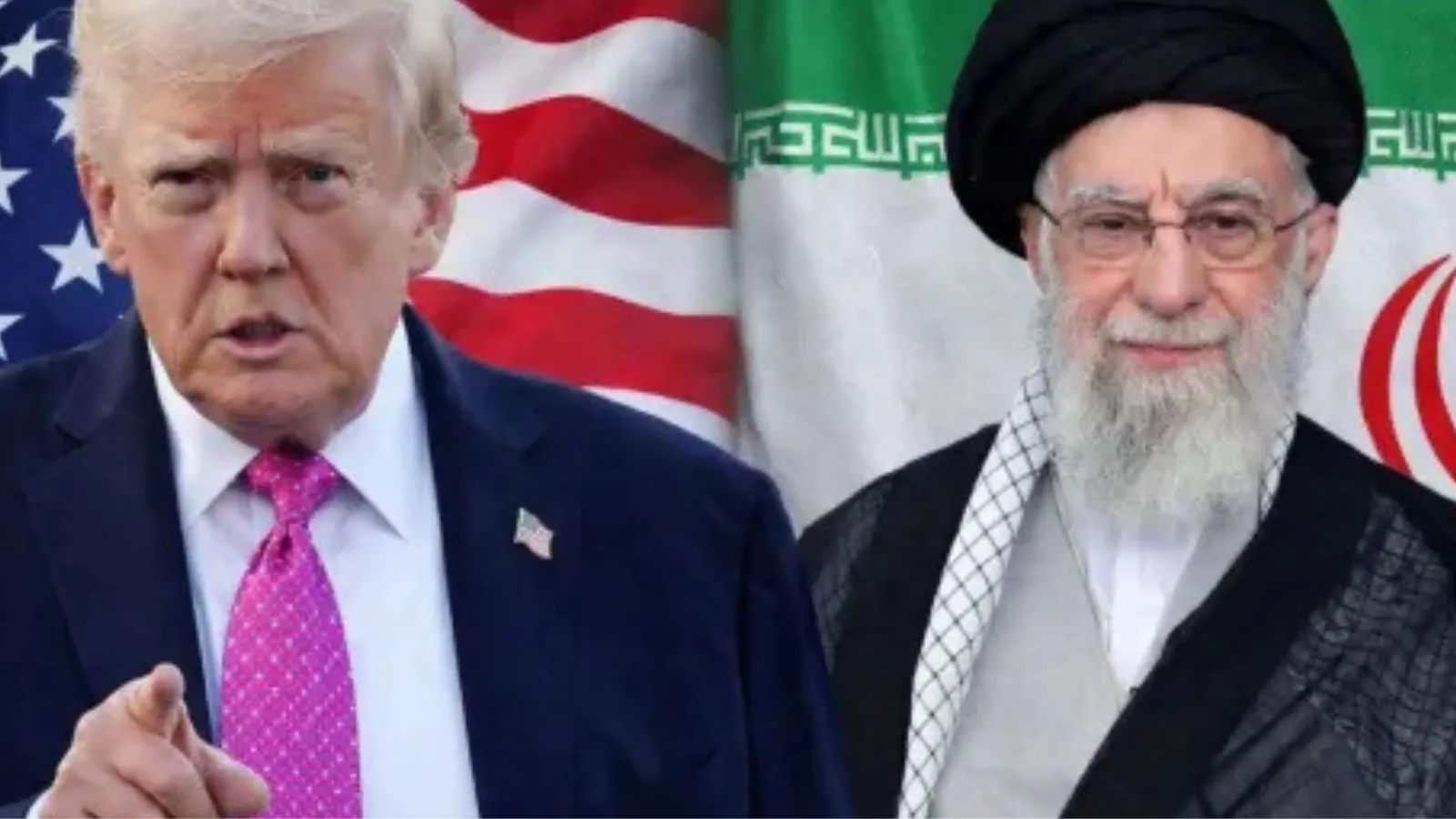
According to Al Jazeera, the MoU, signed by US President Donald Trump and Iranian President Masoud Pezeshkian, commits the United States to work with regional partners to develop a plan worth at least $300 billion for the reconstruction and economic development of Iran. The agreement reportedly leaves the implementation mechanism to be determined during a 60-day negotiation period.
However, the scale of the proposed fund has prompted criticism from both Democratic lawmakers and some Republicans. Some members of the Trump administration have sought to clarify that the initiative would not involve direct funding from American taxpayers.
Trump administration rejects taxpayer funding claims
Before the deal was signed, Trump had rejected claims that the United States would make a $300 billion payment to Iran, describing such reports as “fake news” in a post on Truth Social. Vice President JD Vance similarly stated in an interview with The New York Times, as cited by Al Jazeera, that “not a cent of American money” would go to Iran under the arrangement.
“Iran has agreed to never have a Nuclear Weapon! Also, the story that the U.S. is paying Iran 300 million Dollars is Fake News, put out by the Dumocrats!!!” – President Donald J. Trump pic.twitter.com/Y9N9QWUqKm
— The White House (@WhiteHouse) June 15, 2026
Vance later suggested that the fund could instead be supported by regional Arab states and international investors interested in Iran’s economic development. However, Al Jazeera reported that no countries have publicly confirmed financial commitments to the proposal so far.
How is the fund expected to work?
Reuters reported that the fund is being envisioned as a privately financed investment vehicle, and not a traditional aid or reparations package. According to Reuters, sources familiar with the negotiations said more than half of the proposed funding has already been pledged by private-sector participants from multiple regions.
Reuters further reported that the fund would contain no government money and would remain separate from discussions surrounding sanctions relief and frozen Iranian assets.
Political criticism from both parties
The proposal has nevertheless drawn criticism from lawmakers who argue that the size of the fund raises questions about spending priorities. According to Al Jazeera, Democratic Senator Amy Klobuchar argued that resources on such a scale could instead be used to address domestic concerns, including housing, healthcare and education. Senate Democratic leader Chuck Schumer also criticised the proposal, while Representative Jason Crow questioned whether similar resources could be directed toward American social programmes.
Story continues below this ad
Opposition has not been limited to Democrats. Al Jazeera reports that Republican Senator Roger Wicker expressed concern about the proposal and compared it with the 2015 Joint Comprehensive Plan of Action (JCPOA), the nuclear agreement negotiated during former President Barack Obama’s administration. Wicker argued that the scale of the proposed reconstruction fund would eclipse the financial benefits associated with the earlier agreement.
Comparisons with the 2015 nuclear deal
Al Jazeera noted that the JCPOA involved the release of approximately $55 billion in frozen Iranian assets in exchange for restrictions on Iran’s nuclear programme and international inspections. Trump withdrew the United States from that agreement in 2018 and has repeatedly argued that any future arrangement with Iran should go beyond the JCPOA.
What happens next?
Beyond the reconstruction fund, the new MoU contains broader economic provisions. According to Al Jazeera, the agreement commits the two sides to discussions on sanctions relief, including measures affecting Iran’s fossil fuel sector, as well as negotiations concerning the unfreezing of Iranian assets.
Khaleej Times reported that the agreement forms part of wider efforts to reduce regional tensions following months of conflict involving Iran, Israel and regional actors. However, key aspects of the arrangement, including funding commitments and implementation mechanisms, remain subject to further negotiations.
Story continues below this ad
For now, the proposed $300 billion fund remains one of the most closely scrutinised elements of the agreement. While the Trump administration maintains that American taxpayers will not finance the initiative, lawmakers from both parties continue to debate its economic and political implications as negotiations move forward.
Stay updated with the latest – Click here to follow us on Instagram