The United States and Iran are expected to sign a memorandum as early as Sunday, likely in Geneva, that could reopen the Strait of Hormuz and halt fighting across multiple fronts in the Gulf, according to Reuters sources familiar with the negotiations. Officials, however, cautioned that the wording of the agreement is still being finalised and no final deal has yet been reached.
A Reuters source said Iran has remained firm that any agreement with Washington must also bring an end to the war in Lebanon, where Israel has been battling the Iran-backed Hezbollah movement.
The memorandum is expected to be signed by US Vice President JD Vance and Iran’s Parliament Speaker Mohammed Baqer Qalibaf. Geneva has emerged as the likeliest location. The aim, according to sources, is to finalise the wording by Saturday so the agreement can be formalised over the weekend.
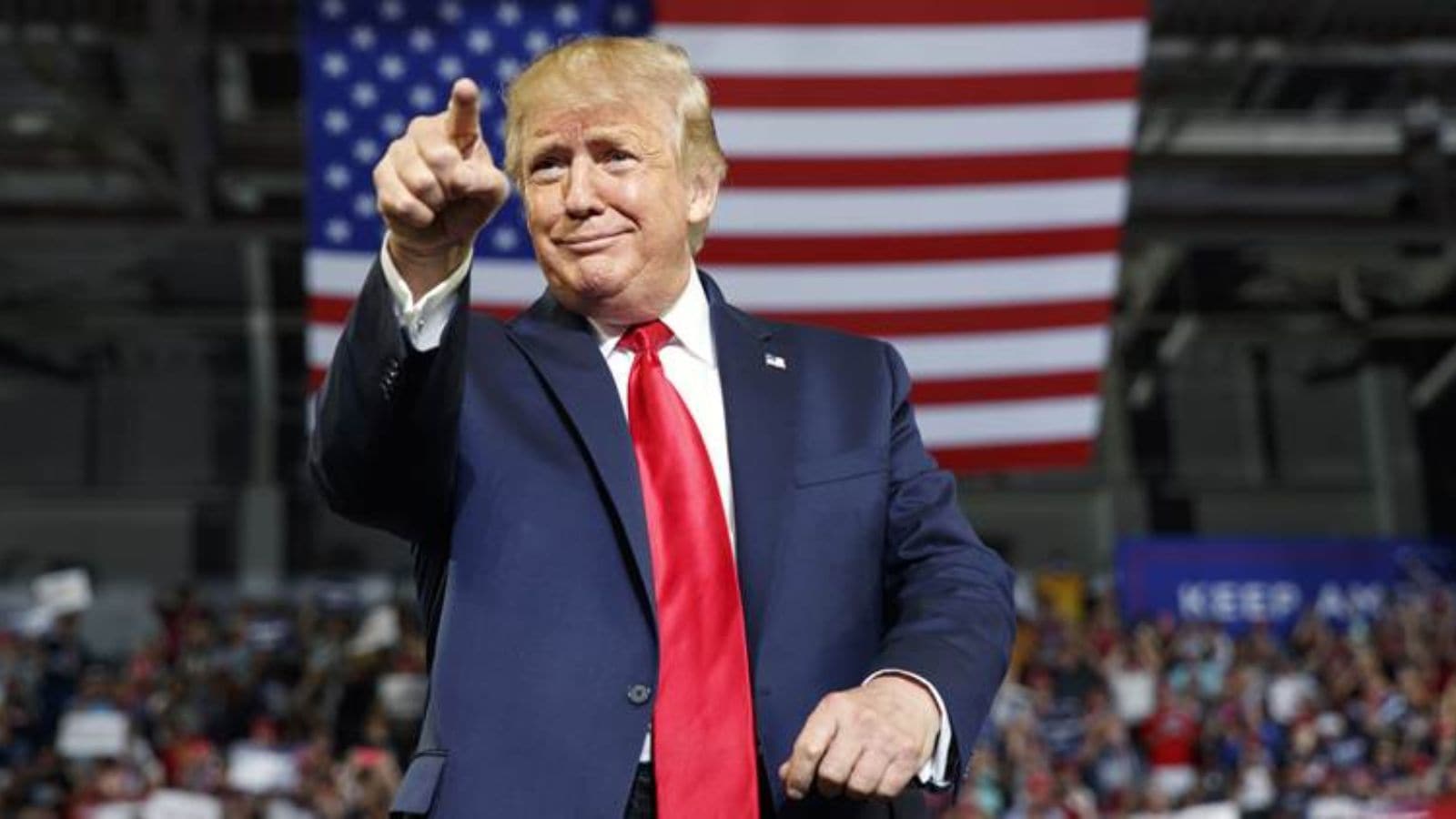
Trump, who had threatened further strikes on Iran just hours earlier on Thursday night, said he was now calling them off as a deal was ready. “We just made a great settlement of the war with Iran,” he told reporters at the White House on Thursday. He added that the Strait of Hormuz – which Iran shut after the US ordered attacks in February – would reopen as soon as the deal was signed.
“The strait will officially open as soon as we sign, which could be soon, very soon, maybe over the weekend in Europe,” Trump said.
What Iran wants – and appears to be getting
The terms, as described by Iranian officials on Friday, appear to heavily favour Tehran. A senior Iranian source told Reuters that the draft would waive sanctions on Iran’s oil, unfreeze billions of dollars of its funds, and require a ceasefire on all fronts – including Lebanon, where Israel has been fighting Iran-backed Hezbollah. The source made no mention of what Iran might offer in return.
Iran’s Mehr news agency went further, reporting that the US would also commit to withdrawing its forces from around Iran and present a plan for rebuilding the country’s shattered economy. “The United States and its allies must submit plans for Iran’s reconstruction worth at least $300 billion,” the agency reported.
Story continues below this ad
Nuclear issues, a central US concern, would be set aside entirely for later negotiations. Washington has long sought guarantees that Iran will never develop a nuclear weapon. Iran, for its part, maintains it is not seeking one.
What did Trump get?
For all his tough talk, Trump appears to have won little in concrete terms beyond the reopening of the Strait of Hormuz – a vital global oil passageway that Iran shut after the US launched attacks in February. The waiving of sanctions, unfreezing of Iranian assets, and a halt to Israeli operations in Lebanon are, according to Reuters, all longstanding Iranian demands. Whether Washington secured any significant concession in return remains unclear, with no immediate response from the US on Friday.
Throughout the conflict, which began on February 28 with US and Israeli strikes on Iran, Trump has made repeated declarations that a deal was imminent, only for negotiations to stall. Markets, however, took comfort in his latest words, reading them as a sign that a particularly dangerous escalation was coming to an end.
How did markets react?
Trump’s announcement sent global shares rallying and pushed oil prices lower. Brent crude fell more than 2% in European morning trade on Friday. The relief in markets reflected weeks of anxiety over disruptions to oil supply through the Strait of Hormuz, one of the world’s most critical shipping lanes, through which a significant share of global crude passes daily.
Story continues below this ad
The recent days had been especially tense. Iran and Israel exchanged fire for the first time since an April ceasefire, followed by two days of US strikes on Iran and Iranian retaliatory attacks on US regional bases. The prospect of a deal offered the first real pause in that spiral.
Tensions still simmering
Despite the diplomatic momentum, the situation on the ground remained volatile. US forces shot down two Iranian one-way attack drones after Tehran attempted to strike commercial ships transiting the Strait of Hormuz, a US official confirmed on Thursday. Iran’s military also stopped a tanker from transiting the strait, with state media reporting the sound of explosions in the area early on Friday morning.
Iranian Foreign Ministry spokesperson Esmaeil Baghaei said on Thursday that while large parts of the agreement had been finalised, Iran would not compromise on its red lines – a signal that Tehran intended to hold firm on its core demands even as talks neared their conclusion.
A political headache for the White House
Back home, the conflict has become an increasingly uncomfortable issue for the Trump administration. Polls show his approval ratings slipping amid widespread voter anger over high gasoline prices – a direct consequence of instability in the Gulf.
Story continues below this ad
Some Republicans have begun to openly warn that the war’s unpopularity could cost the party control of Congress in the November midterm elections, adding urgency to the push for a resolution.
Israel left out
One of the most significant complications hanging over the deal is Israel’s position. Curbs on fighting in Lebanon – a core Iranian demand – could be difficult for Israel to accept. Israel started the war alongside the United States in February but has not been included in the peace negotiations.
Prime Minister Benjamin Netanyahu’s office made Israel’s stance clear on Friday, stating that the country was not a party to any memorandum of understanding with Iran. That leaves open the question of whether any Lebanon ceasefire agreed between Washington and Tehran could hold without Israeli inclusion – and whether Netanyahu would feel bound by the terms his government played no part in shaping.
(Curated by Nityanjali Bulsu, who is an intern at The Indian Express)