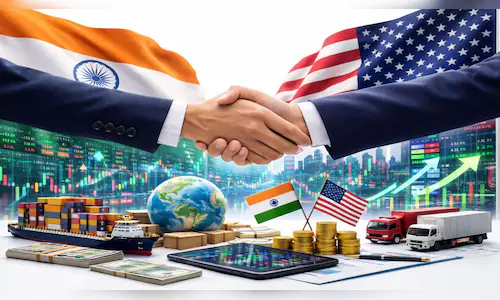
Speaking to CNBC-TV18, former diplomats and trade experts said the proposed tariffs, while not yet finalised, have complicated negotiations at a crucial stage when both countries are trying to close gaps in an interim trade arrangement.
The US has proposed additional duties on 60 economies under Section 301 provisions targeting alleged unfair trade practices and forced labour-linked imports. While most countries may face an extra 10% levy, India, China, Brazil and Japan could see tariffs of as much as 12.5%.
Former diplomat and Banyan Tree Global founder Sanjeev Yadav said the timing of the proposal indicates that Washington is using tariff pressure as a negotiating instrument.
“What they do is provide almost a pressure point for ongoing trade negotiations between India and the US,” Yadav said. “What this does is really add a layer of leverage and pressure on the Indian side to move these negotiations forward and get to an interim deal quickly.”
The remarks come as a US trade delegation led by Brendan Lynch is in India for discussions aimed at finalising the remaining issues in a proposed trade framework between the two countries.
Yadav said India is likely to seek a special carve-out from any future Section 301 duties as part of the interim agreement currently under discussion. “India is going to be looking for some sort of special carve-out with respect to this Section 301 additional rate as part of an interim agreement,” he said.
Former Foreign Secretary Shashank linked the tariff proposal partly to domestic developments in the United States, including legal setbacks faced by President Donald Trump’s tariff measures and the political backdrop ahead of US midterm elections.
“What I find is that this is more a response to domestic developments in America,” Shashank said, adding that the US administration was looking for alternative legal mechanisms after some tariff actions faced judicial scrutiny.
He said India should use the ongoing negotiations to directly address concerns arising from the Section 301 process and make clear that any additional tariffs could invite reciprocal responses from New Delhi.
“I think India should try to convey to the US trade delegation that we would be obliged to reciprocate these tariffs and take them into account in our trade policy towards the United States,” he said.
Shashank also argued that the presence of the US delegation in India during the tariff proposal stage could help both sides discuss safeguards that may be incorporated into the first phase of the trade agreement and later into a full bilateral arrangement.
Former Ambassador to Iran DP Srivastava said India has limited room to manoeuvre because Section 301 duties are imposed over and above existing tariffs under US law.
“This is something which you have to take into account,” Srivastava said. “We should, of course, try to have an understanding with them that once we have agreed on a tariff, there will not be an additional duty.”
He added that protectionist sentiment in the US has increased significantly compared with earlier decades, recalling India’s experience with Super 301 trade actions in the early 1990s.
Despite the tensions, the former diplomats said both sides still have strong incentives to conclude a broader trade arrangement, especially in sectors such as energy, LNG and nuclear cooperation.
Srivastava said increased imports of US oil, LNG and nuclear technology could help narrow the trade imbalance while also supporting India’s energy security goals.
Also Read | India-US trade deal nears finish line, but Section 301 and tariff risks still loom, say experts
The proposed tariffs remain at the consultation stage. Requests to participate in public hearings are due by June 22, while hearings are scheduled to begin on July 7.
India has already raised the issue during ongoing trade talks with the visiting US delegation and is expected to push for protection from any additional duties once a bilateral framework is finalised. New Delhi also believes the USTR will consider comments and testimony received during the consultation process before taking a final decision on the proposed levies.