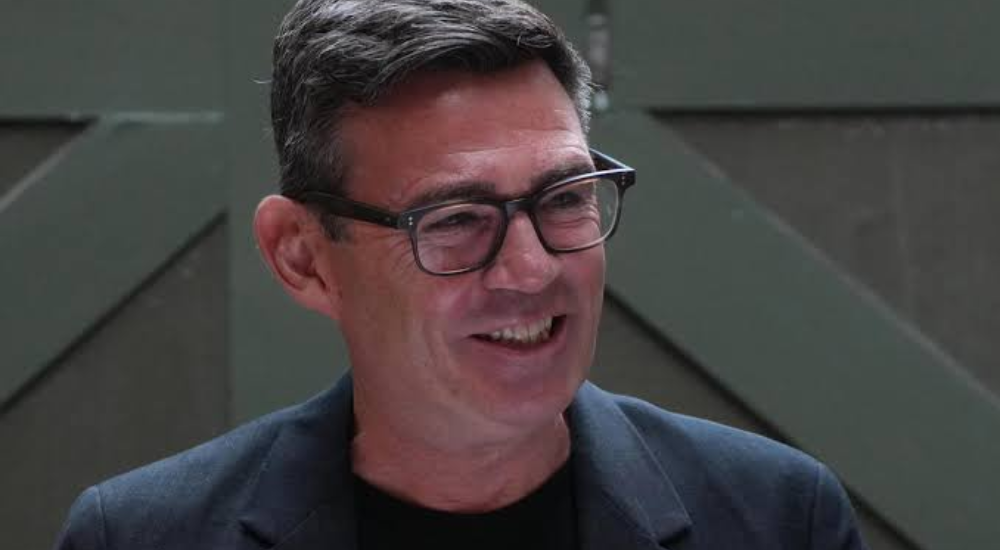
Burnham, 56, the former Mayor of Greater Manchester, was the sole candidate in the leadership contest to replace outgoing Prime Minister Sir Keir Starmer, who announced his resignation on 22 June.
He secured nominations from 379 of the 403 Labour members of Parliament in the House of Commons, representing over 94 per cent of the parliamentary party.
Speaking at a special Labour conference in London following his formal declaration, Burnham said: “We’re going to give them hope back. This is a proud moment you have given me and my family today, and an emotional one, but it is one for which I am ready.”
Burnham pledged to lead a government that was “unashamedly Labour” in its priorities, promising economic renewal, greater public control of key sectors, reindustrialisation, and a devolution of power to local communities.
“We will offer Britain a new path to the one we’ve been on for the last 40 years,” he said, adding that his government would put “people and places at the heart of everything we do.”
Burnham previously served as a minister under Prime Ministers Tony Blair and Gordon Brown, and made two unsuccessful bids for the Labour leadership in 2010 and 2015.
He served as Mayor of Greater Manchester from 2017 until this year, earning the nickname “King of the North” for his outspoken defence of northern England’s interests.
He will be formally appointed prime minister by King Charles III on Monday, 20 July, becoming the United Kingdom’s seventh prime minister in a decade.
Starmer delivered his final Prime Minister’s Questions on Wednesday, telling the House of Commons: “This is the end of my political journey.”
Burnham faces significant challenges on taking office, including a sluggish economy, a cost-of-living squeeze, overstretched public services, and the rising electoral threat posed by Nigel Farage’s Reform UK party.