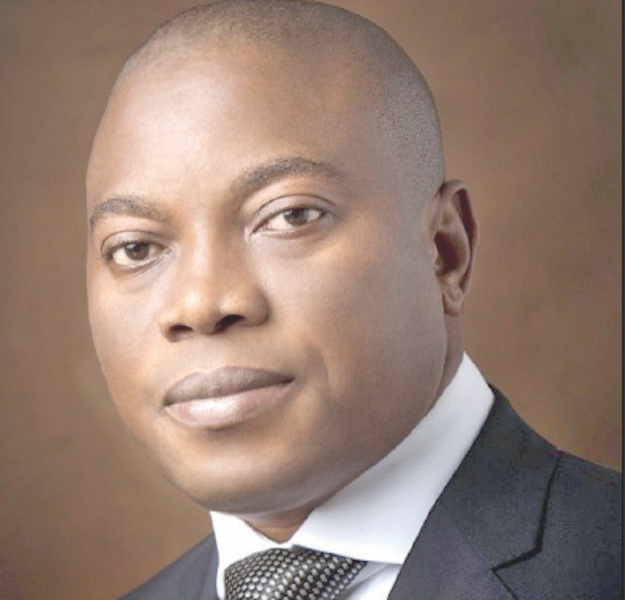
What do a former state governor turned senator, a retired party chairman rebuilding grassroots structures, an ex-minister reappearing at every major political funeral, and Kingsley Kuku have in common? Simple: their journeys have all evolved from years away from power to a quiet, deliberate push back toward it.
Kuku’s own story began at the centre of national relevance. He served as Special Adviser to President Goodluck Jonathan on Niger Delta Affairs and Chairman of the Presidential Amnesty Programme, coordinating peace efforts in one of Nigeria’s most volatile regions.
When Jonathan’s administration ended in 2015, Kuku’s visibility faded, as it does for many officials whose influence is tied to a particular government. For years, he stayed largely out of the national conversation.
That has changed.
Kuku recently stepped into the Ijaw Youth Council leadership crisis, working alongside Bayelsa State Governor Douye Diri to secure a peaceful resolution, repositioning himself at the centre of Niger Delta youth politics once again.
He has also rebuilt his base in Ondo State, funding road infrastructure in Akure and engaging closely with the state’s political leadership, a clear signal of long-term ambition beyond the Niger Delta.
Perhaps more striking is the personal transformation. During his years away, Kuku earned a First Class Law degree, a PhD, and an executive certificate from Harvard Kennedy School, shedding the old “ex-militant negotiator” tag for the image of a polished intellectual.
Traditional institutions have further boosted his standing. He now holds the titles L’oson of Ondo Kingdom and Agbagbatuwa Pouye of Arogbo Ijaw Ibe, both influential positions in Yoruba and Ijaw royal structures.
These all suggest a man positioning himself as an indispensable bridge between the Niger Delta, state governors, and Abuja. Some loyalists are already whispering about the Ondo State governorship in future cycles.
Whether Kuku’s comeback fully materialises remains to be seen. But his trajectory, from amnesty czar to quiet kingmaker, is a familiar Nigerian political script, patiently rewritten.