The Federal Government has taken a major step towards reviving the long-idle Ajaokuta Steel Company, with the Nigerian National Petroleum Company (NNPC) Limited and Ajaokuta Steel Company Limited signing a 20-year gas supply agreement to support the plant’s resuscitation….
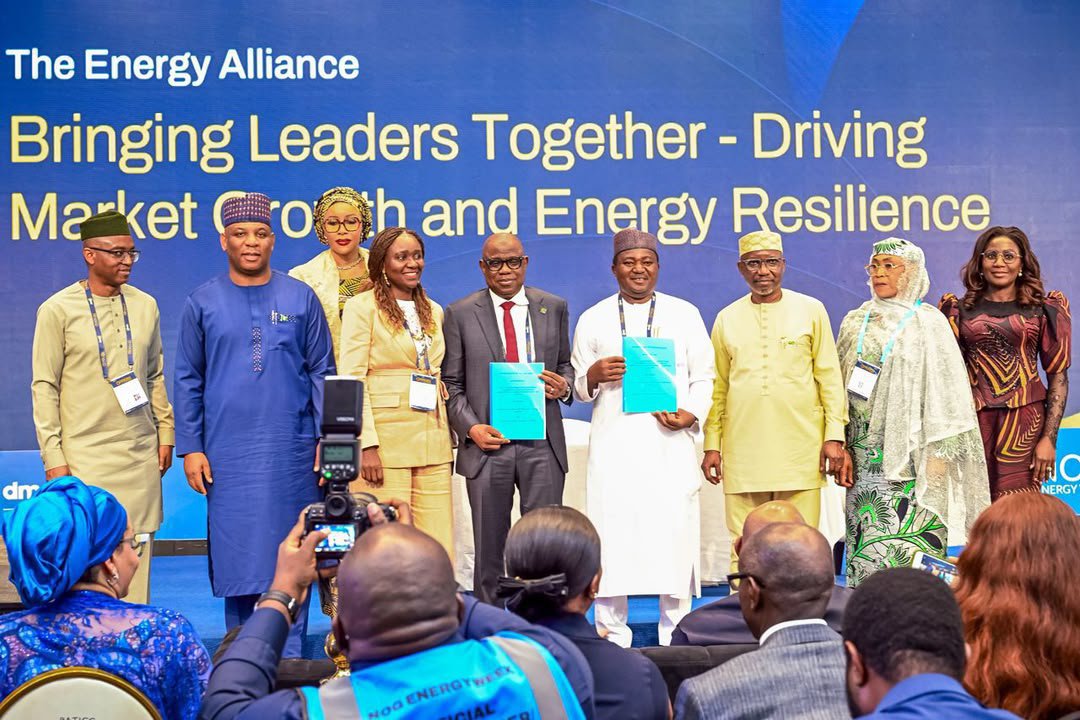
The Federal Government has taken a major step towards reviving the long-idle Ajaokuta Steel Company, with the Nigerian National Petroleum Company (NNPC) Limited and Ajaokuta Steel Company Limited signing a 20-year gas supply agreement to support the plant’s resuscitation.
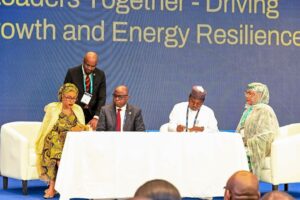
The Memorandum of Understanding (MoU) for a Sale and Purchase Agreement was signed at the NNPC Towers in Abuja, providing what officials described as the critical gas infrastructure needed to restart operations at Nigeria’s largest integrated steel plant.
Minister of Steel Development, Prince Shuaibu Abubakar Audu, described the agreement as a “game changer” in the government’s drive to restore the steel complex to full production, saying the dedicated gas supply removes one of the key obstacles to the plant’s revival.
He said the project aligns with President Bola Tinubu’s Renewed Hope Agenda, which seeks to accelerate industrialisation, diversify the economy and drive sustainable growth.
According to the minister, the revival of Ajaokuta Steel is expected to strengthen local steel production, reduce Nigeria’s dependence on imported steel, create thousands of jobs and stimulate economic activity across manufacturing, construction and other key sectors through greater utilisation of the country’s abundant natural gas resources.
Audu said the Ministry of Steel Development would continue to work closely with the Ministry of Petroleum Resources, NNPC Limited and other stakeholders to ensure the successful resuscitation of the steel plant.
The Federal Government has repeatedly identified the revival of Ajaokuta Steel as a strategic priority in its ambition to build a $1 trillion economy by 2030.
The steel complex, conceived as the backbone of Nigeria’s industrialisation, has remained largely dormant for decades despite successive attempts to bring it into operation.