By Mike Odeh James
(Abuja) Reports of an American military withdrawal from Nigeria involve only the Lake Chad counterterrorism force, while about 200 U.S. personnel remain in Bauchi State, officials say.
The clarification follows comments by Gen. Dagvin R.M. Anderson, Commander of U.S. Africa Command (AFRICOM), who told journalists after the 2026 African Chiefs of Defense Conference in Luanda, Angola, that most of the more than 100 American personnel assigned to the Lake Chad Basin operation had departed after achieving their immediate objectives. Anderson said intelligence sharing and broader security cooperation with Nigeria would continue at Abuja’s request.
Nigeria’s Defence Headquarters clarified on Friday, July 3, that the approximately 200 American personnel deployed to Bauchi in February 2026 remain in the country, and that the troops reported withdrawn from the Lake Chad Basin are a separate contingent.
Director of Defence Information Maj. Gen. Samaila Uba said the Nigeria-U.S. partnership remains unchanged, adding that where the need arises for particular competencies, personnel and resources would be provided. Uba has previously said the Bauchi contingent is assigned to intelligence sharing, military education, logistics support and strategic advisory roles rather than frontline combat.
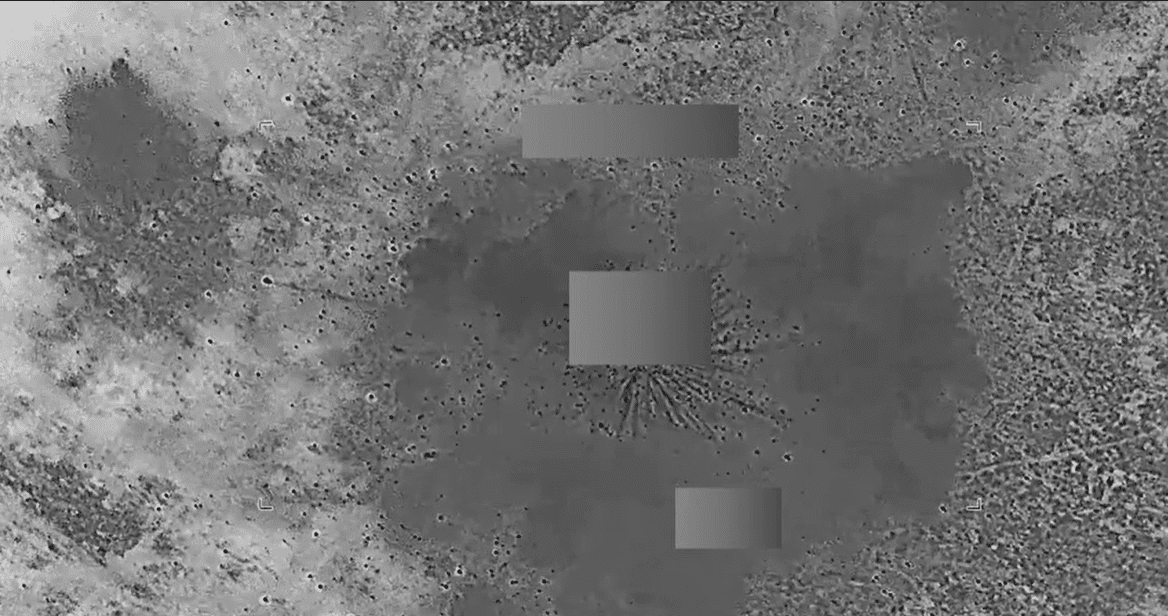
The Lake Chad deployment formed part of expanded security cooperation against the Islamic State West Africa Province (ISWAP) and other extremist groups. In May, joint U.S.-Nigerian operations in the region killed Abu-Bilal al-Minuki, described by American officials as the Islamic State’s global second-in-command.
“Biggest Haul Since 9/11”
Washington has cast the operation as a landmark success. Sebastian Gorka, U.S. Deputy Assistant to the President and Senior Director for Counterterrorism at the National Security Council, said in an interview with PragerU that the raid killed 199 jihadists — which he called the largest enemy neutralization in a single operation since the September 11 attacks — and that American forces needed an additional aircraft to carry home the recovered electronic materials.
“The haul was three times bigger than any enemy electronics haul since 9/11,” Gorka said, adding that U.S. experts were analyzing the devices to map how the Islamic State communicates.
Gorka’s figure of 199 killed exceeds the 175 announced by Nigeria’s Defence Headquarters after the operation, a discrepancy neither government has publicly explained.
Despite official claims that the partnership remains intact, interviews conducted by TruthNigeria reveal growing skepticism among security analysts and Christian leaders over whether the mission addressed the regions enduring Nigeria’s worst civilian violence.
‘Way Too Early to Declare Victory’
“I think it’s way too early for the Department of War to declare victory, while the recent deployment of U.S. troops to Northern Cameroon last month may also be a factor as well,” Washington, D.C.-based security consultant Scott Morgan of Red Eagle Enterprises told TruthNigeria, referring to the Pentagon by its recently adopted name.
Morgan argued the deployment could have raised questions under the U.S. War Powers Resolution if congressional notification or statutory timelines became applicable.
“We can’t overlook the fact that U.S. troops were deployed into Nigeria,” he said. “Considering the reaction by Congress regarding the fighting with Iran, that has to be part of the calculus.”
“The Nigeria file is not closed. We are six months away from elections, and I don’t expect tranquility in Nigeria,” Morgan added.
Mixed Results After Trump’s Victory Claim
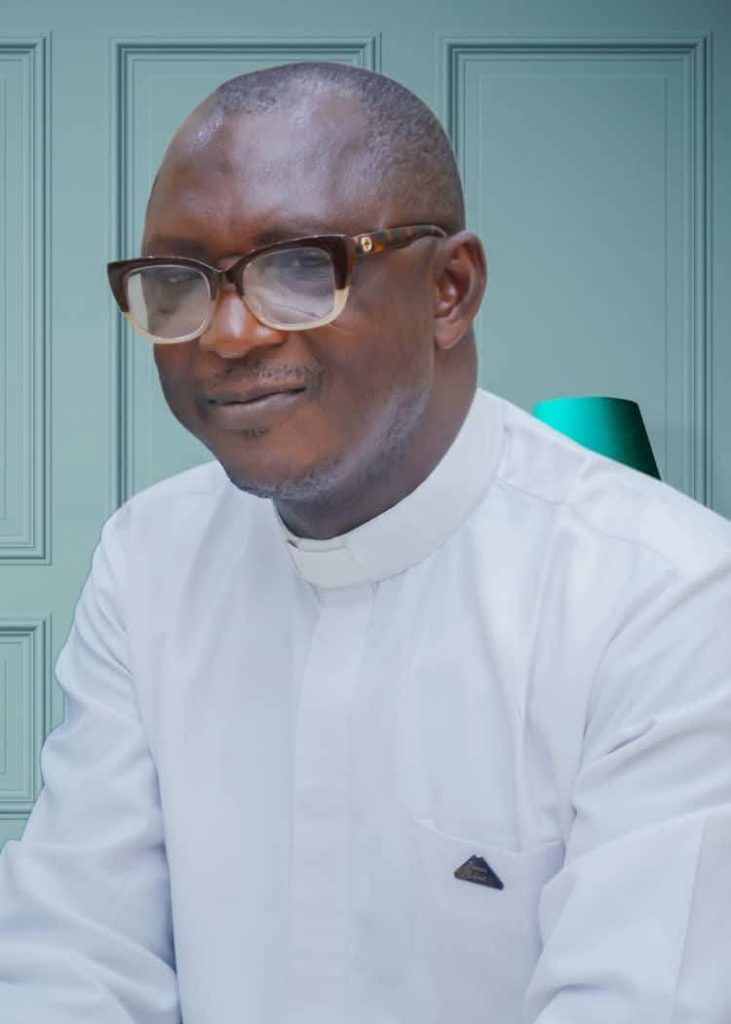
“If you recall, when the U.S. bombed Sokoto, the ISIS affiliate scattered and then regrouped in different parts of the country. From there they launched brutal attacks on Nigerian Christians, and they became more deadly and hostile,” said Rev. John Joseph Hayab, President of the Northern Christian Association of Nigeria (NCAN), responding to U.S. President Donald Trump’s assertion that American intervention had stopped the mass killing of Christians in Nigeria.
“If the U.S. wanted to really neutralize the terrorists, there should be sustained attacks on all fronts for close to two weeks or more. After two weeks of sustained military pressure, the jihadists and other terrorists would have been decimated,” he said.
Deployed to the Wrong Battlefields
Hayab also questioned the geographical focus of the deployment, arguing troops should have confronted the Fulani Ethnic Militia (FEM) in Nigeria’s Middle Belt and Northwest.
“The Americans should have gone to Benue, Plateau, Southern Kaduna, Kwara, Kogi, Katsina, Zamfara and other states in the North West and North Central where Fulani Ethnic Militia are mostly active,” Hayab said. “The U.S. troops would have achieved tremendous impact if they were deployed to those areas.”
While the American mission concentrated on ISWAP in the Lake Chad Basin, Middle Belt communities continue to endure repeated attacks by Fulani Terrorists, Hayab argued. Defence Headquarters has not publicly responded to the criticism.
Why Washington Hasn’t Targeted Fulani Terrorists
When asked why U.S. counterterrorism resources have not been directed at Fulani Terrorists.
Morgan told TruthNigeria:
“I wouldn’t say it’s a matter of authorization. True, Fulani terrorists have been targeting Christians, but under the new CT strategy, it has to be shown that the Fulani actions are a threat to the interests of the United States. Nobody has tried to show this yet. The operative word is yet,” Morgan said.
For now, the approximately 200 American advisers in Bauchi remain. Whether Washington’s counterterrorism partnership will expand beyond ISWAP to address other armed groups remains an open question in both Abuja and Washington.
Mike Odeh James is an award winning conflict reporter for TruthNigeria.