The House of Representatives is considering a proposal to cancel outstanding agricultural loans obtained by Nigerian farmers under Federal Government-backed intervention programmes.
The proposal was presented during plenary on Wednesday by Inuwa Garba, who represents Yamaltu/Deba Federal Constituency in Gombe State.
Garba asked lawmakers to support debt relief for farmers unable to repay loans because of insecurity, flooding, drought and the rising cost of agricultural production.
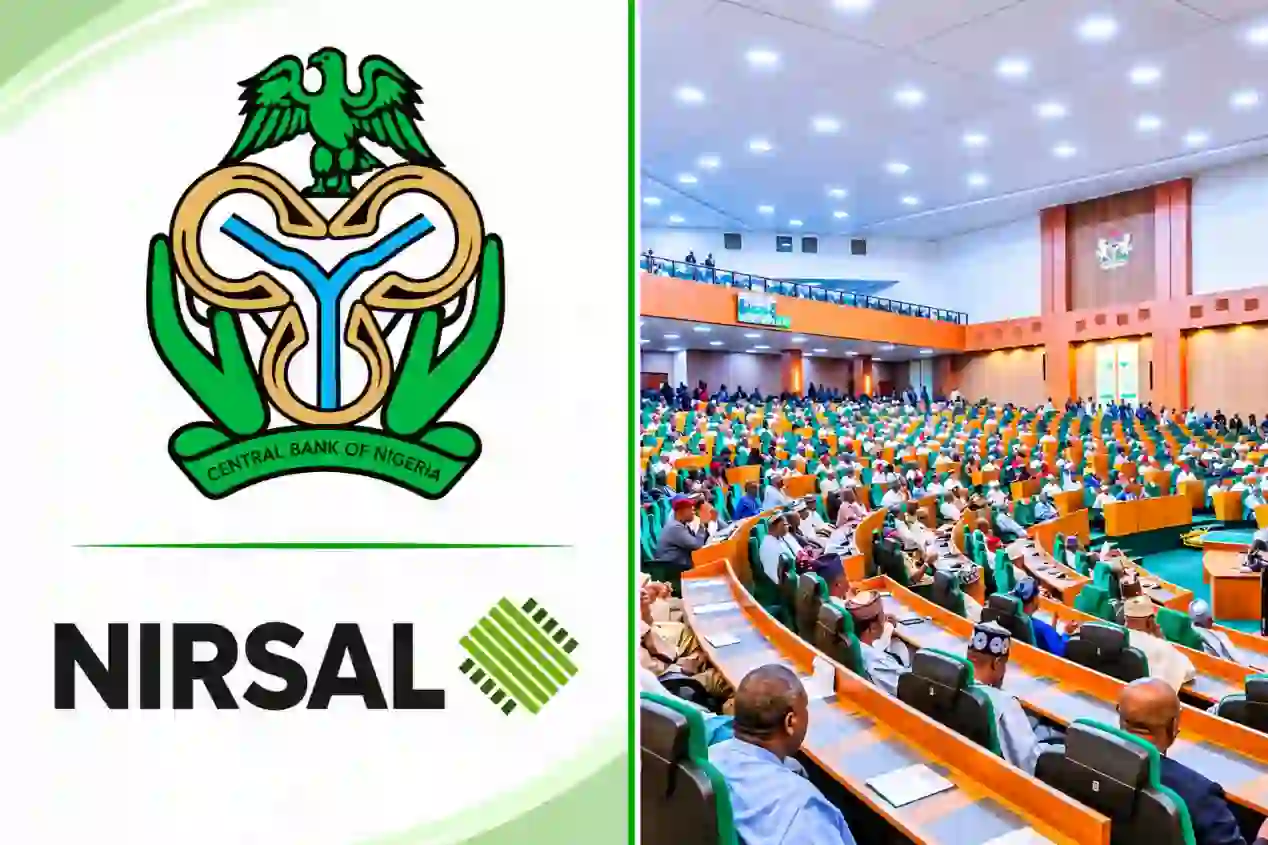
The proposed waiver concerns government-supported agricultural financing, including the Central Bank of Nigeria (CBN) Anchor Borrowers’ Programme, the Commercial Agriculture Credit Scheme (CACS) and facilities supported by the Nigeria Incentive-Based Risk Sharing System for Agricultural Lending (NIRSAL).
The proposal does not automatically cover private agricultural loans, and lawmakers have not published any list identifying individual beneficiaries whose outstanding debts would qualify for any possible relief.
These programmes were introduced to make financing available to farmers, increase food production and support agricultural businesses across the country.
Explaining his proposal, Garba said banditry, insurgency, farmer-herder clashes and climate-related disasters had disrupted farming activities in several communities.
According to him, some farmers lost their crops, investments and income through circumstances beyond their control, making repayment difficult.
He warned that continued demands for repayment, including accumulated interest and penalties, could push affected farmers deeper into poverty and discourage further investment in agriculture.
However, other lawmakers opposed cancelling all outstanding loans without first investigating how beneficiaries used the money.
Bamidele Salam, who represents Ede South/Ede North/Ejigbo/Egbedore Federal Constituency in Osun State, cited an audit report concerning alleged abuse of agricultural financing schemes.
Salam alleged that some beneficiaries diverted funds obtained through the CBN Anchor Borrowers’ Programme into unrelated businesses, including property purchases in Nigeria and abroad.
He referred to more than ₦1 trillion in loans under the programme and raised concerns about another ₦795 billion associated with the Bank of Agriculture.
These figures formed part of his allegations during the debate and do not mean every farmer who borrowed money diverted the funds.
Salam argued that granting an automatic waiver could reward people who deliberately misused public funds instead of assisting genuine farmers.
He recommended further investigation to distinguish farmers affected by genuine hardship from beneficiaries who obtained loans for other purposes.
Other lawmakers, including Isiaka Ibrahim of Ogun State and Paul Kalejaiye of Lagos State, also urged caution before approving any blanket cancellation.
The disagreement stopped the House from reaching a final decision during Wednesday’s sitting.
What Farmers Should Know
As of November 19, 2026, the House of Representatives has not approved cancellation of agricultural loans under the Anchor Borrowers’ Programme, CACS or NIRSAL-supported facilities.
The proposal remains under consideration, and there is no official announcement directing farmers to stop repayments or submit applications for debt forgiveness.
Lawmakers postponed further deliberations until Tuesday, November 24, 2026, when the House is expected to revisit the matter.
Farmers who obtained government-backed agricultural loans should continue to follow guidance from their lending banks or programme administrators until an official decision is announced.
Any future relief will depend on the outcome of legislative consideration and decisions by the responsible government institutions.