Lawmakers directed TCN and NDPHC to account for vandalised transmission towers, repair costs, financial losses, and measures to prevent further attacks.
The House of Representatives has resolved to investigate the recurrent attacks on electricity transmission towers operated by the Transmission Company of Nigeria (TCN) and the Niger Delta Power Holding Company (NDPHC), following reports that 10 towers were destroyed within five months across three northern states.
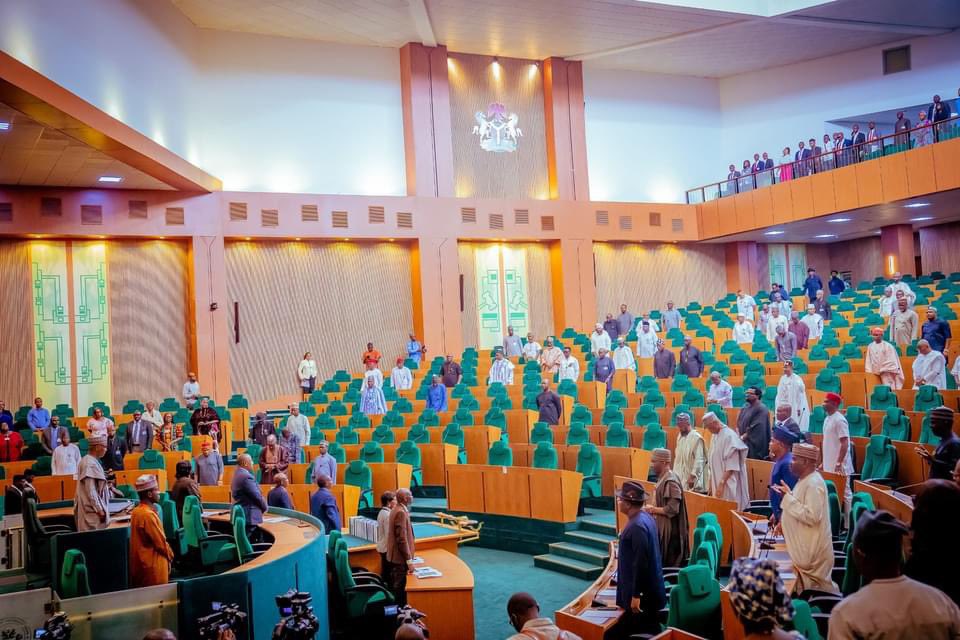
The resolution followed a motion sponsored by Lanre Okunlola (APC, Lagos) during Tuesday’s plenary.
The lawmaker cited a report published by THISDAY newspaper on 29 October, which disclosed that 10 transmission towers were vandalised within five months along the Kano–Bauchi, Kano–Katsina and Kano–Kaduna 330-kilovolt transmission lines.
Moving the motion, Mr Okunlola said TCN and NDPHC operate critical components of Nigeria’s national electricity transmission network, describing the facilities as vital national assets essential to electricity supply, economic development and national security.
He warned that the destruction of transmission towers and theft of their components threatened the stability of the national grid, disrupted electricity supply, exposed residents to safety hazards and imposed additional repair costs on the federal government.
The lawmaker said the repeated attacks indicated weaknesses in surveillance, security arrangements, intelligence gathering, asset management, and enforcement of existing laws.
“Recurrent vandalism of public electricity infrastructure indicates systemic weaknesses in surveillance, security architecture, intelligence gathering, asset management, and the enforcement of existing laws,” he said.
He also called for accountability in public expenditure on repairing and replacing vandalised infrastructure, as well as measures to dismantle the illegal market for stolen electricity transmission components.
The House supported the motion without debate and mandated its Committees on Public Assets and Power to investigate the reported vandalism of the 10 transmission towers and other incidents involving critical electricity transmission infrastructure.
The committees are to invite the Minister of Power, the Managing Director of TCN, and the Managing Director of NDPHC to explain the circumstances surrounding the attacks, the extent of the damage, estimated financial losses, progress on repairs, and the preventive measures the agencies have adopted.
The lawmakers also directed TCN and NDPHC to submit comprehensive reports covering incidents recorded between January 2024 and November 2026.
The reports are expected to contain details of affected locations, damaged assets, repair and replacement costs, emergency procurements and the status of remedial measures.
The committees are further expected to determine the overall financial implications of the vandalism, including repair expenses, replacement costs, emergency procurement and demonstrable economic losses resulting from disruptions to electricity transmission.
They will also examine the adequacy of existing security arrangements, surveillance systems, maintenance procedures and risk assessments for transmission towers and associated facilities.
The House also called on relevant security and law enforcement agencies to provide updates on investigations, arrests and prosecutions connected to the reported incidents, subject to applicable laws and the independence of judicial proceedings.
The agencies are also expected to explain the effectiveness of existing regulatory and enforcement measures governing the purchase, sale and recycling of stolen transmission equipment.
The lawmakers said efforts should be made to dismantle the illicit market for stolen public infrastructure materials, which sustains the theft and vandalism of electricity assets.
The House further urged stronger collaboration among TCN, NDPHC, security agencies and host communities to improve the protection of transmission infrastructure.
It recommended improved surveillance, routine inspections, intelligence sharing, community engagement and inter-agency coordination.
The committees are expected to report back to the House within four weeks for further legislative action.