By Ebere Inyama
IMO STATE, Nigeria — Rising incidents of politically motivated violence, intimidation and attacks on opposition activities ahead of the 2027 general elections have triggered fresh concerns over the country’s democratic stability and investment climate.
Following the alarm raised by the Centre for the Promotion of Private Enterprise (CPPE) that sustained political instability could trigger capital flight, weaken investor confidence and disrupt local businesses, political leaders and civil society groups are calling for urgent interventions to prevent the crisis from escalating.
Speaking during an interview with TruthNigeria, a political analyst and Special Adviser to a former Governor of Imo state, Mr. Matthew Obono, said that Nigerian politicians are becoming increasingly desperate and warned that the 2027 general election could be marred by violence unless urgent actions are taken.
“I have read some people, including Dino Melaye, saying that they will not go to court, rather, they will settle it on the street”, said Obono.
“There are reports of political thugs attacking members of the opposition political parties and reports of hoodlums attacking the convoy of President Bola Tinubu during his campaign”, he continued.
“If these attacks can happen during electioneering campaigns, one can imagine the level of violence that may likely take place on the day of the election if the situation is not brought under control”, Obono added.
Four deaths recorded from 11 incidents
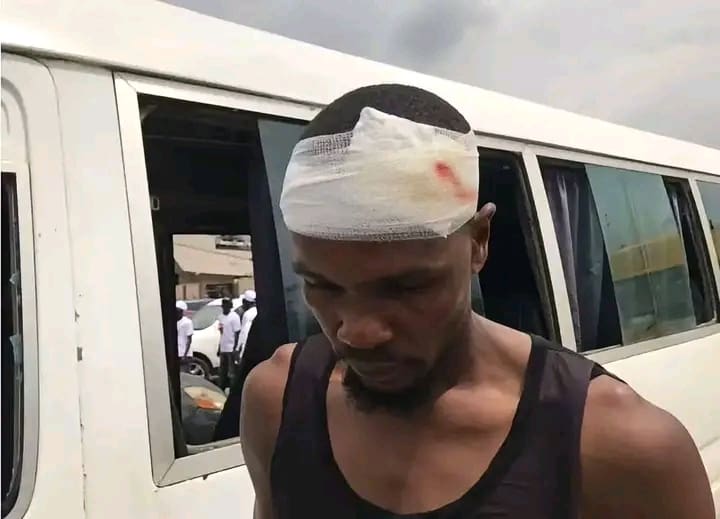
At least 4 people have been killed and 8 injured when political thugs attacked members of the opposition political parties across Nigeria since campaigns for the 2027 general election began on 19 August, 2026, according to a report by the Foundation for Investigative Journalism (FIJ).
In a letter dated November 14, 2026, and addressed to the Independent National Electoral Commission (INEC) Chairman, Professor Joash Amupitan, an advocacy group, the Socio-Economic Rights and Accountability Project (SERAP) listed the 11 incidents of electoral and political violence documented since 19 August, 2026, to include the Obstruction of the convoy of the Democratic Party (NDC) presidential candidate, Peter Obi in Benue state in September, 2026, the attacks on an NDC ward meeting and on the People’s Democratic Party (PDP) rally in Enugu in September, 2026 and the attack on the convoy of an African Democratic Congress (ADC) senatorial candidate in Edo State, Herberta Okonofua on 6 October, 2026.
Other incidents listed by SERAP in its letter include the attack on the supporters of the NDC governorship candidate in Enugu State which led to the death of one person.
Also attacked in October, 2026 were the supporters of the Accord Party’s governorship candidate in Oyo State, Oriyomi Hamzat, during a procession in Ibadan and the convoy of Rollins Offia-Nwali, an NDC House of Assembly candidate in Ebonyi State which resulted to the death of 2 people and injuring of three others.
Other politically motivated attacks recorded within the period include the attack on the African Action Congress (AAC) presidential candidate, Omoyele Sowore, and members of his team in Ado-Ekiti on 30 October, the attack on Obi’s convoy in Calabar on 4 November and the attack on an NDC political procession in Asaba on November 7 which left one person dead and five injured.
U.S Congress weighs in
Speaking during a congressional hearing on 13 November, 2026, the Assistant Secretary of State for African Affairs, Frank Garcia, warned that Nigeria’s January 2027 elections could trigger violence, citing political tensions, overstretched security agencies and inadequate resources available in Nigeria.
“Nigeria will hold presidential elections in January, which could spur violence,” said Garcia.
“In addition, Nigeria’s security architecture remains stretched. Its judicial reach into the Middle Belt remains limited, and the resources we can bring to bear are finite,” Garcia added.
The statement by Garcia comes amid heightened international scrutiny of Nigeria’s democratic institutions, security challenges and preparations for its next presidential election.
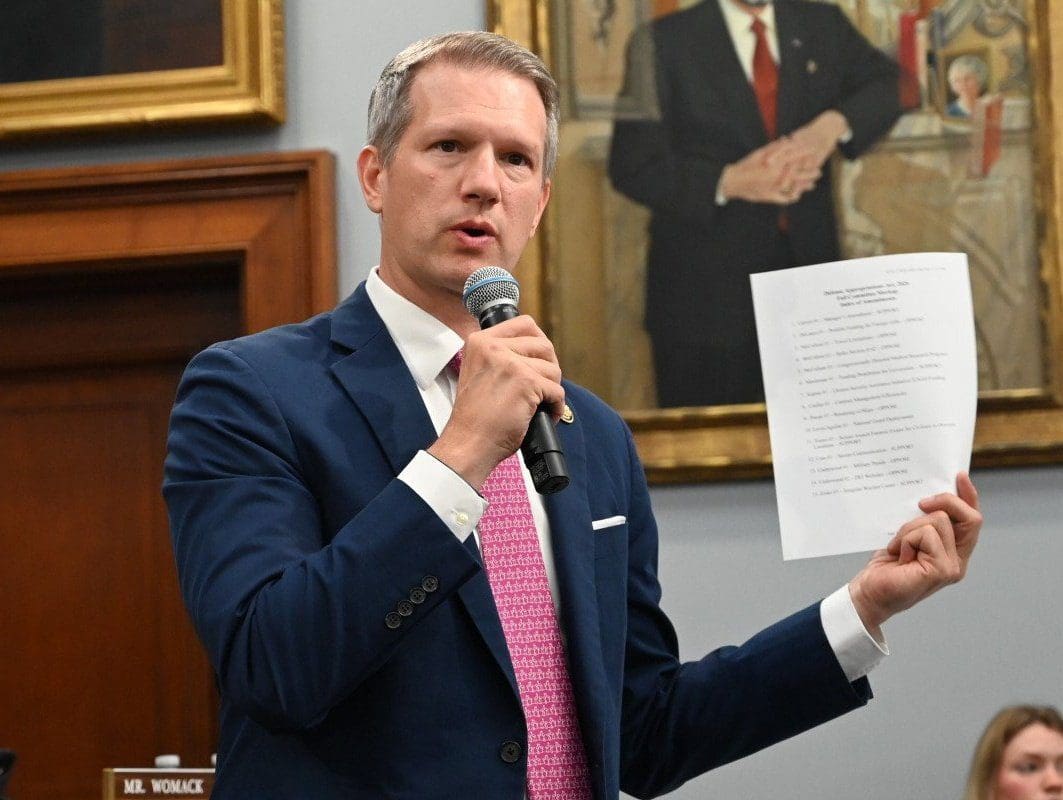
Also speaking during the hearing, U.S. Congressman, Riley Moore, and the Assistant Secretary of State for Democracy, Human Rights and Labour, Riley Barnes, called for sustained scrutiny of Nigeria’s security response and the forthcoming election.
“We need to be watching these presidential elections like a hawk,” said Moore.
“We have a team that, in my bureau, focuses on elections in many spots around the world, especially high-priority ones like this one, so we’re gonna be watching it very closely as well,” Barnes responded.
Experts raise concern
“As the January 2027 elections approach, politically linked attacks and protests suggest that unresolved grievances and competition between political groups could further undermine an already tense electoral environment”, said Nigeria Analyst at the Armed Conflict Location and Event Data (ACLED), Raheem Mutiu, while commenting on rising political violence and unrest ahead of Nigeria’s January 2027 elections.
“Perceived marginalization and claims of unfair distribution of national resources are among people’s grievances”, Mutiu continued.
“The increase in attacks targeting candidates and their supporters, amid growing anti-Tinubu sentiment in the North West region, suggests that violence may increase before the January 2027 presidential election and be used as a tool to influence voters, candidates, and outcomes”, Mutiu added.
“The growing incidence of politically induced violence, intimidation and inflammatory rhetoric raises serious concerns about the implications for economic stability and investor confidence,” said the CEO of Centre for the Promotion of Private Enterprise (CPPE)”, Muda Yusuf.
“The economic costs are particularly severe for small businesses, informal enterprises and investors with significant fixed assets that cannot be readily relocated,” Yusuf added.
Ebere Inyama reports for TruthNigeria on conflict and religious freedom.