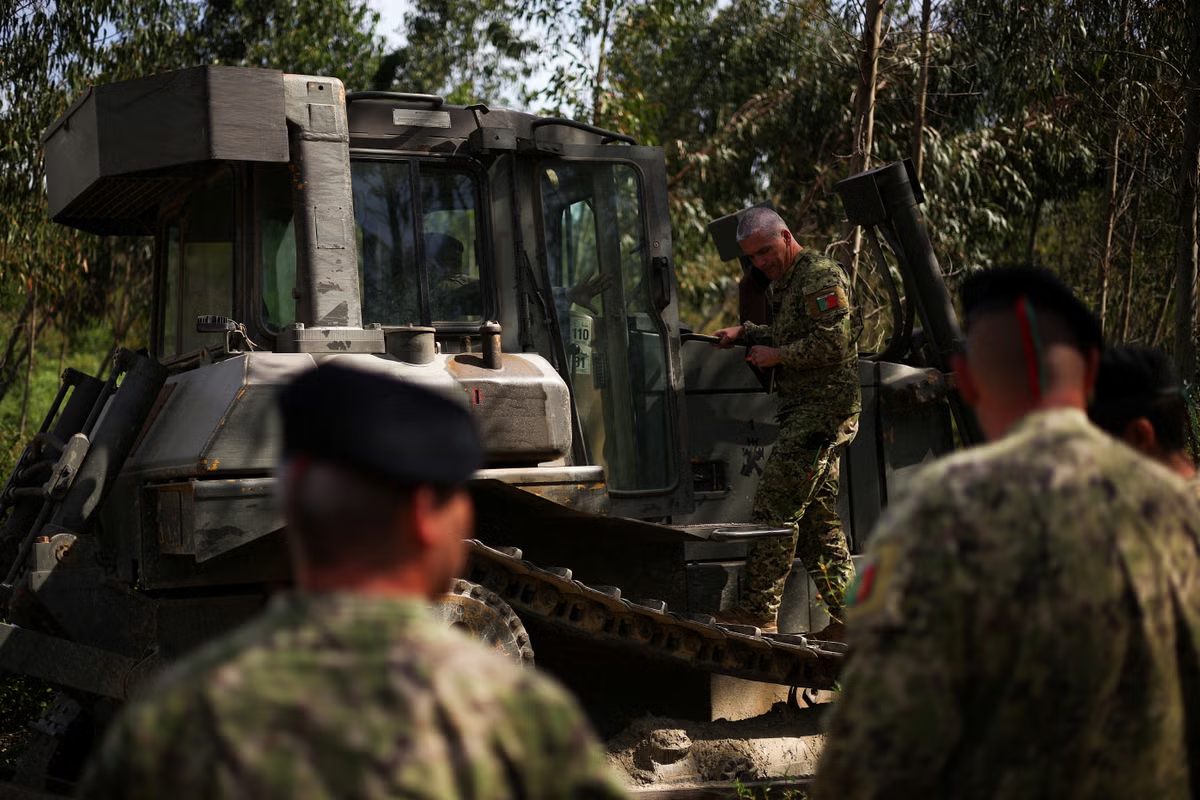
With midsummer-like heat already baking parts of Portugal, army units and forestry agents are racing to clean up woody debris left behind from severe storms in early 2026 before the summer wildfire season begins.
In the central area of Serta – one of the worst-hit by the storms – heavy bulldozers painted in army drab and soldiers in camouflage work deep in the forest removing tons of felled trees, broken branches and bark that could become fuel for any blaze.
Wildfire expert Jose Miguel Pereira told Reuters the windstorms had left a “totally abnormal amount of fallen fuel on the ground”, increasing the likelihood of more intense and dangerous fires occurring.
Portugal consistently reports the largest percentage of burned land in the European Union relative to its size. Last summer, Spain and Portugal suffered a 16-day heatwave that was the most intense on record and helped stoke devastating forest blazes. Scientists say such extreme weather events are becoming more frequent due to human-caused climate change.
Portugal has reinforced its Special Rural Firefighting Response System this year, bringing it to 15,149 personnel, 3,463 vehicles and 81 aircraft.
Agriculture Minister Jose Manuel Fernandes said 17,000 km (10,563 miles) of forest roads had been cleared but more needed to be done clearing private plots until the end of June, after which there will be hefty fines for landowners who fail to comply.
Under a law approved this year, authorities can enter private land plots that have not been cleared of woody debris.
For now, the government is offering subsidies worth up to €1,500 ($1,742) per hectare to help owners’ clean-up efforts in storm-hit areas, and owners representing 40,000 ha have already agreed to do the work.
“Our plea is: Do it fast,” Fernandes told RTP broadcaster on Thursday. “We certainly have a complicated summer ahead. (But) we’ve never had so many means at our disposal as now, never put so much effort into prevention.”
More details here...