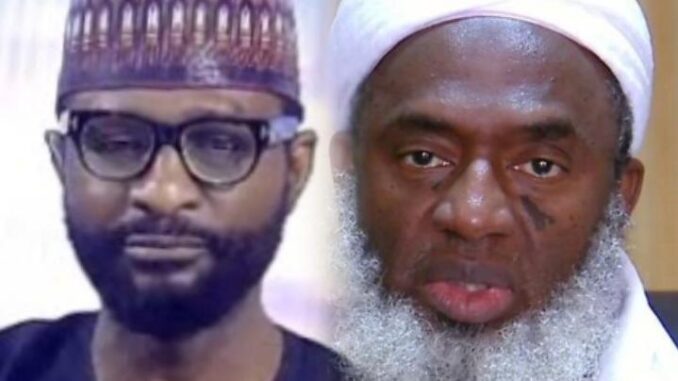
In a recent interview on Channels TV, on Saturday, May 30, 2026, Baba Yusuf, strategist, policy advisor, and Group CEO of Global Investment & Trade Co (GITC), continued his commentary on national security discourse and the role of religious figures in shaping public debates around negotiation and rehabilitation of armed groups. The discussion also revisited past controversies involving Sheikh Ahmad Gumi and his international travel restrictions.
During the conversation, Yusuf expressed concern about the influence of public narratives surrounding insecurity and the credibility of individuals who shape them. He argued that such issues should be handled with caution, especially when they involve sensitive claims about international standing and religious authority.
Speaking during the interview, Yusuf stated, “Since 2010, he has not been allowed to enter Saudi Arabia.” He used the statement to highlight what he described as long-standing concerns around the cleric’s public and international profile, noting that such developments should be “food for thought” in assessing his public interventions on national security matters.
Shifting to a broader reflection, Yusuf maintained that Nigeria’s security discourse must not be driven by personality-based arguments but by verified facts and state-led frameworks. He argued that public confidence in security strategies can be undermined when debates are shaped by controversial or unverified assertions, particularly from highly influential figures.
In a more cautionary tone, he stressed that religious leaders and public commentators must be mindful of how their statements affect national unity and youth perception, especially in regions already affected by insecurity and radicalization risks. According to him, clarity and responsibility remain essential in preventing misinformation and misinterpretation.
Concluding his remarks, Yusuf called for a more structured and disciplined national conversation on security, urging stakeholders to prioritize verified information and institutional coordination. He emphasized that Nigeria’s long-term stability depends on both effective governance and responsible public communication from influential voices….See More