1 / 10
US President Donald Trump will travel to China from May 13 to 15 for crucial talks with Chinese President Xi Jinping in Beijing. The visit comes at a sensitive time for the global economy, trade relations and geopolitical tensions. Here are the key points to know ahead of the summit.
 2 / 10
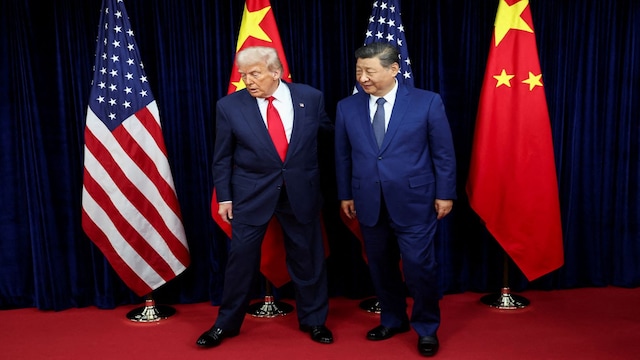
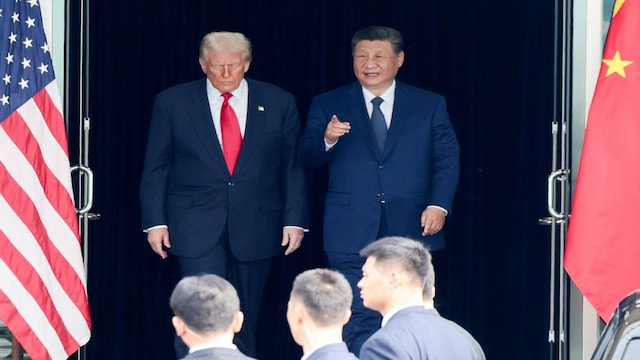
When and where is the Trump-Xi meeting | The main meetings between Trump and Xi are scheduled for May 14 and 15 in Beijing. This will be the first visit to China by a sitting US president since 2017 and the first face-to-face meeting between the two leaders in more than six months. (Image: Reuters)
 3 / 10
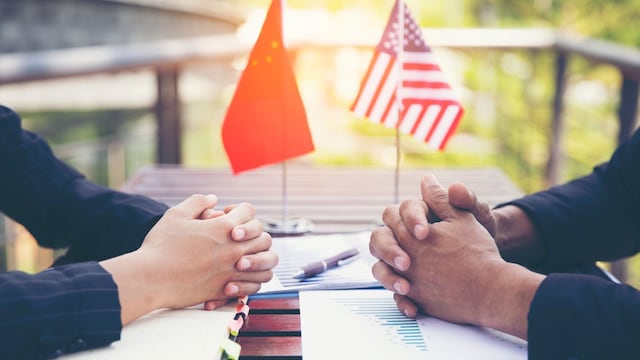
Why is this visit important? | The summit comes as both countries try to stabilise ties amid rising tensions over trade, technology, military influence and global supply chains. Even small agreements during the visit could influence global markets and business sentiment. (Image: Canva)
 4 / 10
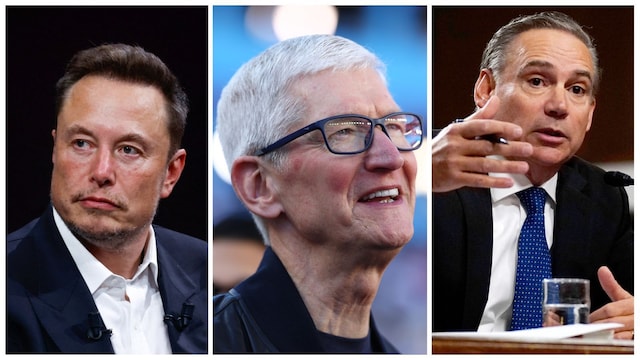
Top US business leaders are expected to join Trump | Several top American business leaders are expected to accompany Trump during the China visit, as trade and investment remain central to the discussions. The delegation is expected to include executives from major companies such as Tesla CEO Elon Musk, Apple CEO Tim Cook, Boeing CEO Kelly Ortberg and executives from Goldman Sachs, BlackRock, Citigroup, Meta Platforms and Qualcomm. (Image: Reuters)
 5 / 10
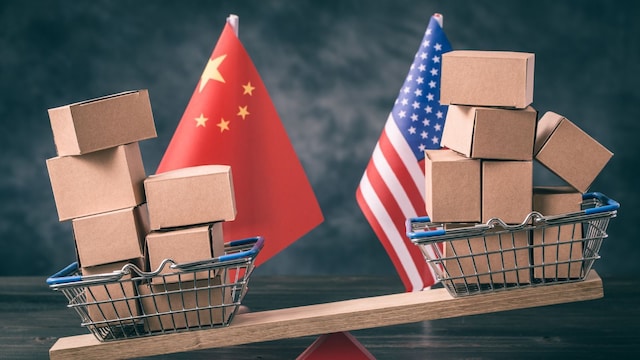
Trade and tariffs remain at the centre | Trade is expected to dominate discussions between the US and China during the summit. Washington is likely to push for bigger Chinese purchases of American goods, easier access for US businesses, stable rare earth supplies and symbolic trade wins ahead of the US election cycle. Beijing, meanwhile, is expected to seek relief from tariff pressure, more time to strengthen its economy, stable ties with Washington and protection for its manufacturing and technology sectors. (Image: Canva)
 6 / 10
Possible announcements from the summit | Several trade-related announcements could emerge from the Trump-Xi meeting as both countries look for areas of cooperation despite ongoing tensions. Possible outcomes include fresh Chinese purchases of Boeing aircraft, higher imports of US agricultural products, new trade and investment forums and an extension of the rare earth export truce that has become important for global supply chains. (Image” Reuters)
 7 / 10
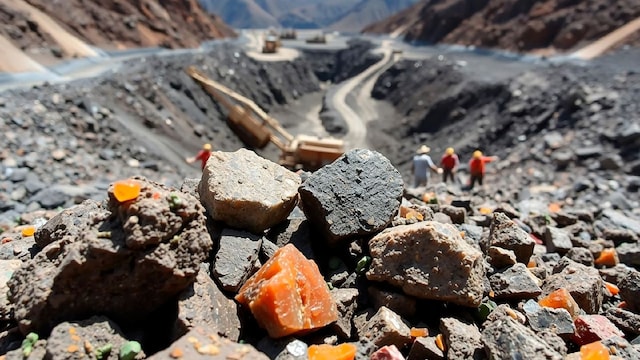
Rare earth minerals could become a key bargaining point | Rare earth minerals are expected to play a major role in the talks as China remains the world’s dominant supplier of these critical materials. Rare earths are widely used in smartphones, electric vehicles, semiconductors and defence equipment, making them strategically important for both countries. Recent Chinese export restrictions disrupted global supply chains and highlighted how dependent the US and its allies remain on Beijing for critical materials. (Image: Canva)
 8 / 10
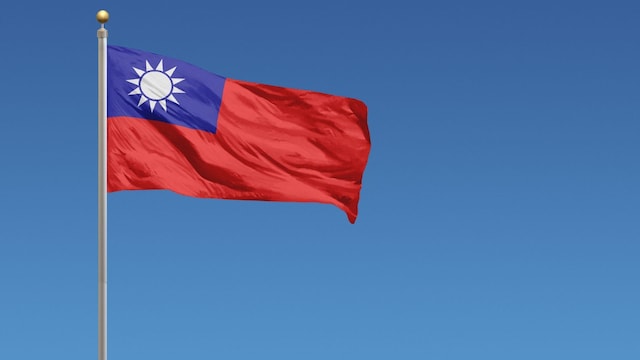
Taiwan is expected to remain a major flashpoint | China is expected to urge the US to take a firmer stand against Taiwan independence and slow arms sales to Taiwan. The issue remains sensitive because Beijing claims Taiwan as its territory, while the US continues to be Taiwan’s biggest security partner and weapons supplier. (Image: Canva)
 9 / 10
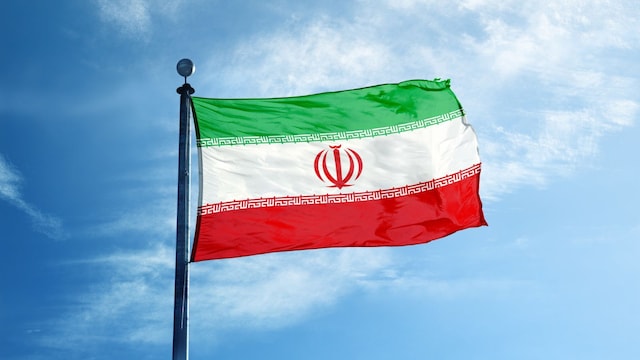
Iran tensions and energy security may shape discussions | The Iran conflict and tensions around the Strait of Hormuz have increased concerns over global oil supplies and shipping routes. Washington is expected to ask China to use its influence with Iran to help reduce tensions. China, one of Iran’s biggest oil buyers, is balancing its energy needs with wider diplomatic ties. (Image: Canva)
 10 / 10
AI and nuclear talks may also feature | Artificial intelligence is emerging as another major area of competition between the US and China. Discussions may include communication channels on AI risks, rules around the military use of AI and steps to prevent AI systems from being linked to nuclear command systems. Washington is also reportedly seeking talks on nuclear weapons and arms control, though China has so far shown limited interest in formal negotiations over its nuclear arsenal. (Image: Canva)