A passport is often considered the ultimate proof of nationality, but legally it may not always be the final word on citizenship. From India to other …
 1/10
1/10Passport and Citizenship Are Not the Same | A passport and citizenship are often treated as the same thing, but legally, they are different. A passport is a travel document issued by a government, while citizenship defines a person’s legal relationship with a country.
 2/10
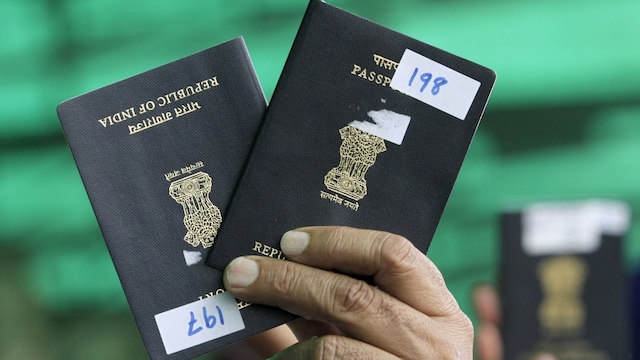
2/10India’s Stand: Passport Alone May Not Decide Citizenship | India treats a passport as an important identity and travel document, but citizenship is governed separately under Indian law. Citizenship can depend on factors such as birth, descent, registration, naturalisation and official verification.
 3/10
3/10Why Countries Keep Passport and Citizenship Separate | Countries maintain separate rules for passports and citizenship because travel identity and legal nationality serve different purposes. Citizenship determines rights and responsibilities, while passports mainly allow people to travel internationally.
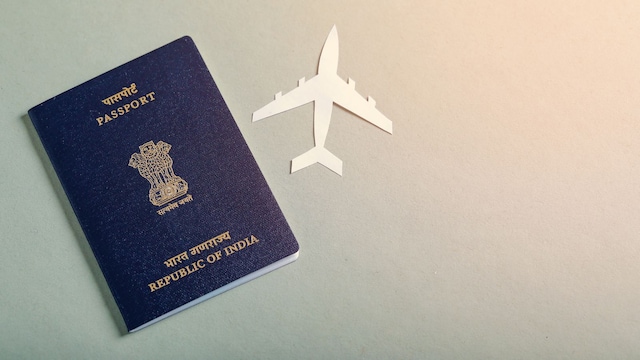 4/10
4/10India’s Citizenship Rules Go Beyond a Passport | Under Indian citizenship laws, a passport may show that a document was issued by India, but citizenship status can involve additional legal provisions and records depending on the circumstances. (Image: Canva)
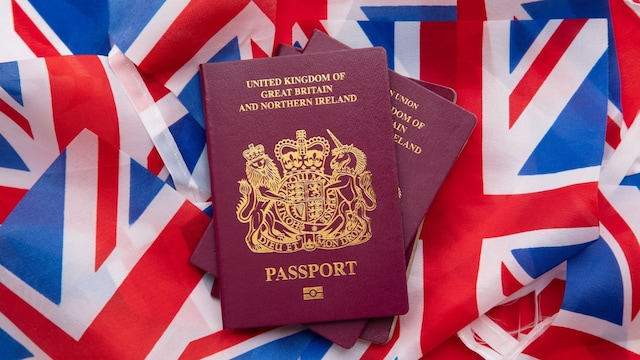 5/10
5/10United Kingdom: Nationality Laws Decide Citizenship | In the United Kingdom, passports are issued based on nationality status, but citizenship questions are decided through nationality laws. Factors such as birth, ancestry, immigration status and registration can play a role. (Image: Canva)
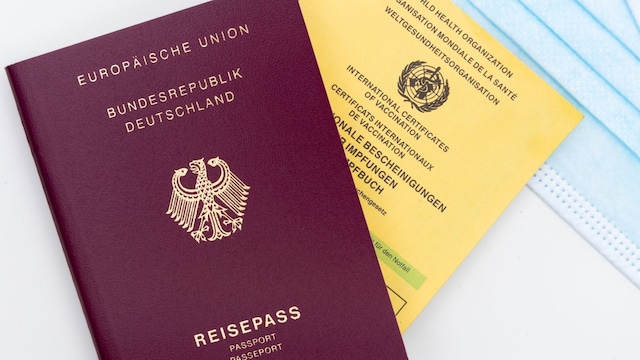 6/10
6/10Germany: Citizenship Is Linked to Legal Records | Germany follows detailed nationality rules to determine citizenship. While a passport is an important document, citizenship matters can depend on official records and legal provisions related to acquiring or retaining nationality. (Image: Canva)
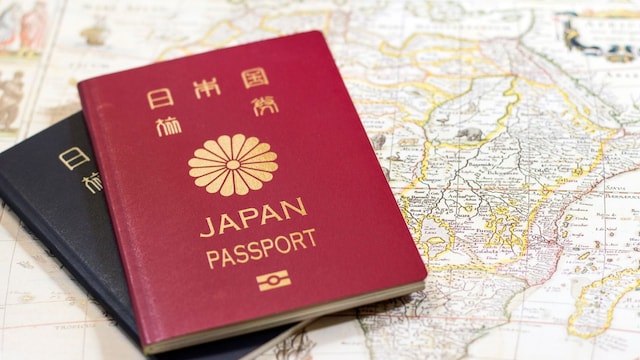 7/10
7/10Japan: Passport and Nationality Follow Separate Rules | Japan’s nationality system is based on its citizenship laws. A passport is used for international travel, while nationality rules determine who is legally recognised as a Japanese citizen. (Image: Canva)
 8/10
8/10Dual Citizenship Can Create Complex Questions | People with links to more than one country may face complicated citizenship situations. A passport from one country does not automatically determine how another country views a person’s nationality or legal status.
 9/10
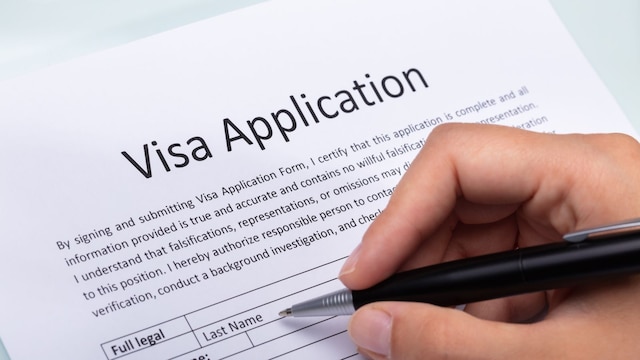
9/10When Can Passport and Citizenship Become an Issue? | The difference between a passport and citizenship becomes important during immigration checks, visa applications, nationality disputes and government verification processes, where authorities may ask for additional documents. (Image: Canva)
 10/10
10/10Can Someone Be a Citizen Without a Passport? | Yes. Citizenship exists regardless of whether a person holds a passport. Many citizens who never travel internationally may not possess a passport but still enjoy all rights and responsibilities associated with citizenship. Image: Canva)