Kogi Highway Kidnappings Expose Expanding Criminal Networks
By Onibiyo Segun
Kabba-Bunu County, Kogi State—Gunmen killed a traveler, abducted over 30 passengers, and attacked vehicles in Kogi before troops rescued 23 captives during forest pursuit operations.
Armed kidnappers blocked a highway in Kogi State early Sunday, killing at least one traveler and abducting dozens in an attack that highlighted the expanding reach of kidnapping networks across north-central Nigeria.
The attack occurred along the Ayegunle–Bunu Road in Kabba-Bunu County, about 35 kilometers southwest of Kabba town. This corridor links Kogi communities to Ekiti, Kwara, and Ondo states.
Security officials have long flagged the rocky, forested, and sparsely populated terrain as vulnerable to armed groups moving between North Central and Southwest Nigeria.
Authorities have not identified the perpetrators, but the tactics – roadblocks, mass abductions, and rapid withdrawal into bush, fit patterns used by Fulani kidnapping gangs operating across rural routes.
Gunmen Block Highway
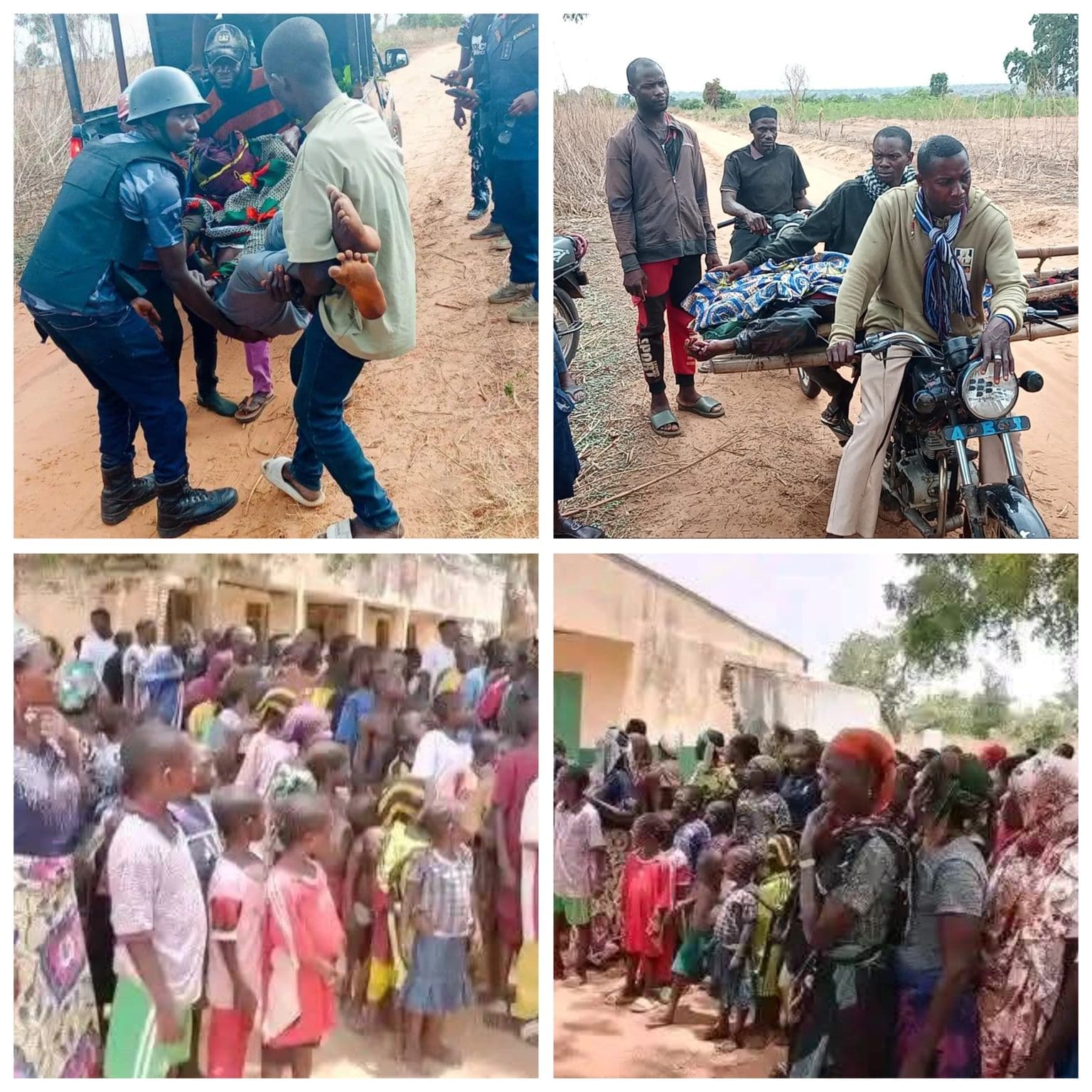
Military spokesman Major Fadare Olabayo told TruthNigeria, “The attackers blocked the road before dawn, opened fire on vehicles, and forced passengers from buses and cars into the bush.” Witnesses said the ambush came from both sides of the highway. Troops responded after distress calls, but by arrival, captives had been moved into wooded terrain. Five injured victims were evacuated, while soldiers tracked escape routes through the bush.
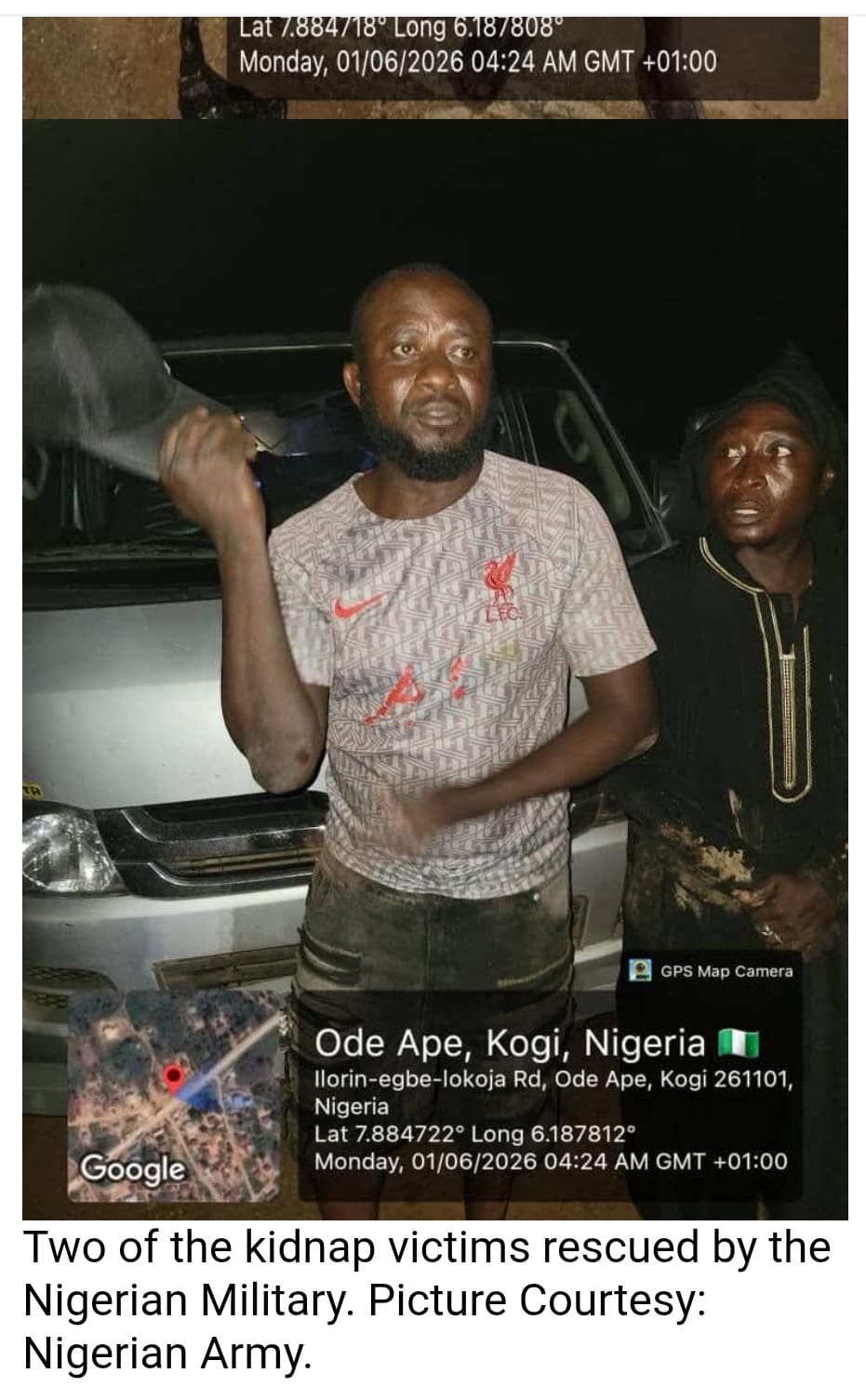
The Nigerian Army’s 12 Brigade later launched a pursuit from Kabba and neighboring communities, forcing kidnappers to abandon 23 captives.
Hon. Kingsley Fanwo, Kogi State commissioner for information, told TruthNigeria, “Security agencies were deployed immediately after the attack and coordinated with federal forces. Joint patrols have been intensified across vulnerable routes in Kabba-Bunu County and surrounding areas.”
Survivors Describe Attack
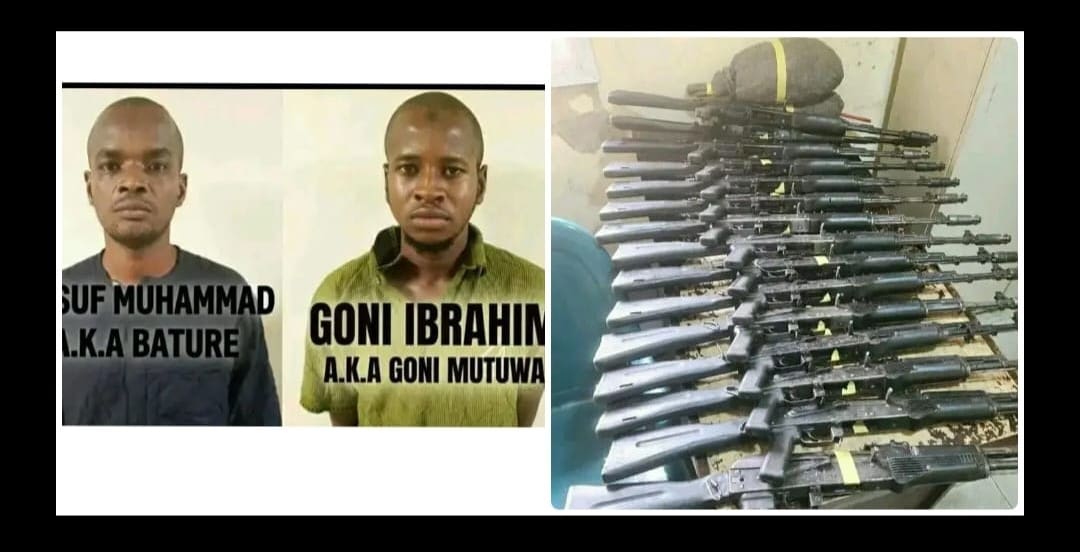
Driver Ibrahim Haruna, 42, said attackers emerged from both sides of the road. “They wore mixed clothing, some camouflage, others dark gowns. I counted several AK rifles; one carried a belt-fed gun. They fired into the air and ordered everyone down. Passengers were separated and marched into the bush.”
Trader Grace Enejo, 31, described being led through streams, hidden paths, and farms into deeper bush. “They knew the terrain well. When they detected nearby movement, one shouted soldiers were close. Soon after, they abandoned many of us and fled,” she said. Soldiers later rescued the survivors.
Why Travelers Are Targeted
Dr. Abayomi Olatunbosun, security analyst at the Abuja-based Centre for Conflict Dynamics, explained, “Highways in Kogi concentrate civilian movement and offer quick escape routes. Kogi lies between northern and southern Nigeria, making roads vulnerable to attacks.”
Barrister Chukwunonso Maduabuchi added, “Kidnapping groups exploit weak surveillance and ransom incentives. North-central highways remain lightly policed, with terrain offering concealment and mobility advantages. Ransom proceeds are converted into weapons, motorcycles, fuel, communications equipment, and logistics for future attacks.”
Escape Episode Highlights Pressure
Earlier incidents along the Itobe–Ajegwu axis in Ofu County show that captives sometimes escape when kidnappers lose coordination. Victims alert authorities, prompting follow-up operations. Analysts say such cases reflect rising pressure on decentralized kidnapping groups facing increased military operations.
Expanding Violence Pattern
The Ayegunle–Bunu axis sits within a broader wooded belt stretching across Kogi, Kwara, Ekiti, Niger, and Ondo counties. These routes allow armed groups to move across jurisdictions while avoiding rapid interception.
The attack aligns with patterns documented by the Nigeria Security Tracker, which maps violent incidents nationwide. Repeated kidnappings, highway ambushes, and rural raids are concentrated along lightly policed transport corridors where response times remain slow.
Kogi State authorities said operations were ongoing in Kabba-Bunu County while security forces continued search-and-rescue efforts for remaining suspects. Military officials confirmed sustained patrols across the corridor as part of stabilization efforts.
Colonel Batagarawa Usman, retired military officer, told TruthNigeria, “The Kabba-Bunu attack reflects a self-reinforcing system combining forest mobility, ransom financing, and highway ambush tactics that allow armed groups to recover quickly after disruptions. Beyond the immediate rescue, the incident highlights a structural security challenge across north-central Nigeria, where geography, weak rural policing, and financial incentives continue to drive recurring cycles of armed violence along strategic transport routes.”
Onibiyo Segun reports on terrorism and conflict for TruthNigeria.