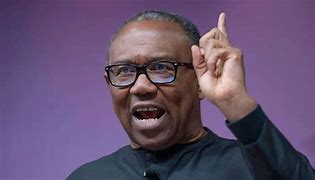
Former Labour Party presidential candidate, Peter Obi, has expressed concern over what he sees as the country’s diminishing reaction to recurring school abductions, warning that incidents which once sparked widespread outrage are now being met with alarming silence.
Reflecting on the 2014 kidnapping of schoolgirls in Chibok, Obi noted that the tragedy united Nigerians across political and social divides and drew global attention through the widely known #BringBackOurGirls campaign. According to him, the intense public pressure at the time compelled leaders to respond and remain accountable.
Obi observed that during the administration of former President Muhammadu Buhari, the country recorded roughly ten school abduction incidents over an eight-year period. He claimed that under President Bola Ahmed Tinubu, more than ten similar attacks have already occurred within three years.
The former Anambra governor argued that the issue extends beyond the number of incidents. He lamented the apparent lack of sustained public protests and international attention following recent kidnappings, unlike the widespread response witnessed after the Chibok tragedy.
Questioning the nation’s growing tolerance of insecurity, Obi asked whether repeated incidents of violence have become so common that they no longer stir public concern or demand urgent action.
He also criticized Nigeria’s political leadership, accusing many politicians of prioritizing electoral calculations over pressing national issues such as insecurity, poverty, and economic hardship. According to him, these challenges have contributed to the country’s declining image on the global stage.
Obi maintained that denying the severity of the problems or relying on political messaging would not provide lasting solutions. Instead, he called for responsible leadership built on competence, empathy, and accountability.
Addressing young Nigerians, Obi urged them to remain engaged and active in shaping the country’s future rather than becoming indifferent to its challenges. Reaffirming his long-held message, he insisted that a better Nigeria remains achievable.
His comments have since sparked fresh discussions on social media, with many Nigerians debating the state of national security, the role of leadership, and whether the public is gradually becoming desensitized to tragedies that once commanded nationwide attention.
See screenshot of post below: