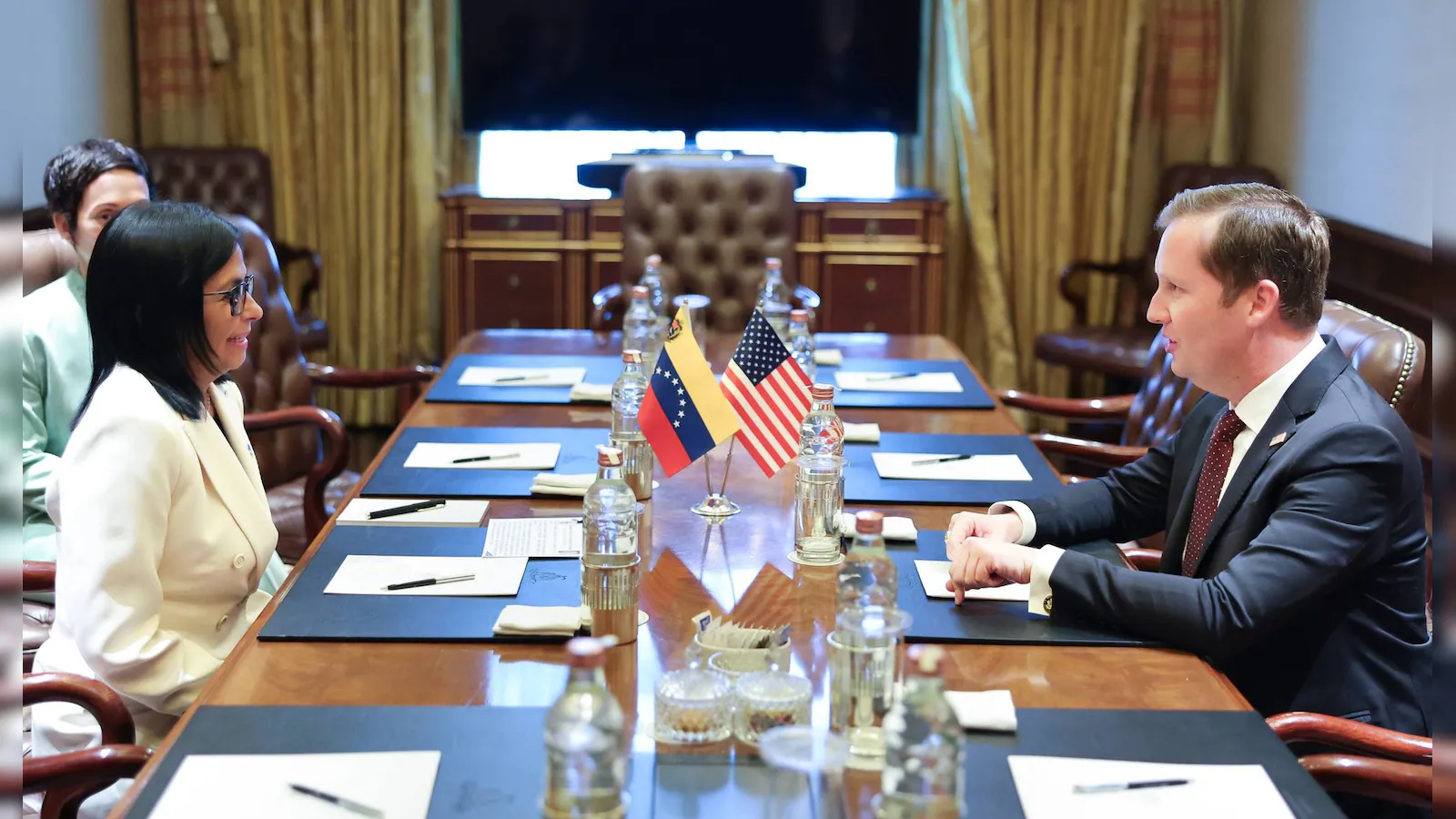
Her remarks come ahead of ministerial-level trade talks between India and the US in New Delhi on Monday, where the two sides are expected to discuss an interim arrangement and the broader bilateral trade agreement. The US delegation will be led by Trade Representative Jamieson Greer, with both countries aiming to conclude an interim pact before a key tariff deadline on July 24.
Sikri said India would not compromise on its core interests in agriculture, dairy and other sensitive sectors and would seek clarity on the possibility of future unilateral tariffs.
“We will certainly want an assurance from the American side on Section 301 because this uncertainty — that a 10% extra tariff may be imposed under Section 301 — is like a Damocles sword hanging over India’s head,” she said.
“We would hope to have a first tranche that is clear and unequivocal. I don’t think we will accept a wishy-washy first tranche,” Sikri added.
She argued that India should not rush into an agreement simply to secure certainty and said signing an imperfect deal would mean accepting terms that are not aligned with the country’s long-standing negotiating positions.
“I think we should wait it out because we will not accept an imperfect deal. Once you sign an imperfect deal, you are agreeing to something that is inherently not in keeping with your own national principles and trade negotiating positions,” she said.
Former Foreign Secretary Shashank, however, took a more pragmatic view, saying an interim arrangement may be preferable to prolonged uncertainty, provided India’s interests are protected.
“I feel that perhaps it is better to have some kind of an interim deal and carry on the process for whatever agreements we cannot reach,” he said, adding that India should not take a negative position while safeguarding concerns related to food security and the livelihoods of farmers and dairy workers.
Shashank also said India should insist on predictability in tariff policies and ensure that any bilateral understanding does not expose it to fresh unilateral duties later.
“If there are any unilateral tariffs under Section 301 or any other sections of American domestic legislation, then India should not be in any worse position than other countries with whom the Americans have bilateral trade agreements,” he said.
According to Sikri, India’s exports have remained resilient despite tariff pressures and the country has diversified its trade relationships through agreements with other partners, including the UK. She said India was prepared to deal with difficulties arising from the “highly unilateral nature” of tariff actions imposed by US President Donald Trump.
Commerce Minister Piyush Goyal has said the proposed framework with the US could include preferential tariffs, rules of origin and investment provisions, but stressed that unresolved tariff issues would have to be addressed before implementation.
The talks follow chief negotiator-level discussions and the meeting between Prime Minister Narendra Modi and President Trump in France. They also come against the backdrop of a June 2 proposal by the US Trade Representative to impose 12.5% tariffs on 54 countries, including India, after investigations under Section 301 over allegations relating to imports produced with forced labour.
A report by the Global Trade Research Initiative has argued that India should treat trade negotiations and Section 301 tariffs separately and avoid using trade agreements as “protection payments” against future US actions. The think tank has cautioned against rushing into a bilateral trade agreement, noting that India’s exports to the US rose in FY26 despite elevated tariffs and warning that long-term concessions in a hurried deal could prove costlier than the tariffs themselves.
The report also noted that Section 301 actions are not directed at India alone and pointed out that the US has launched similar investigations against partners such as the European Union and Japan despite having trade arrangements with them.