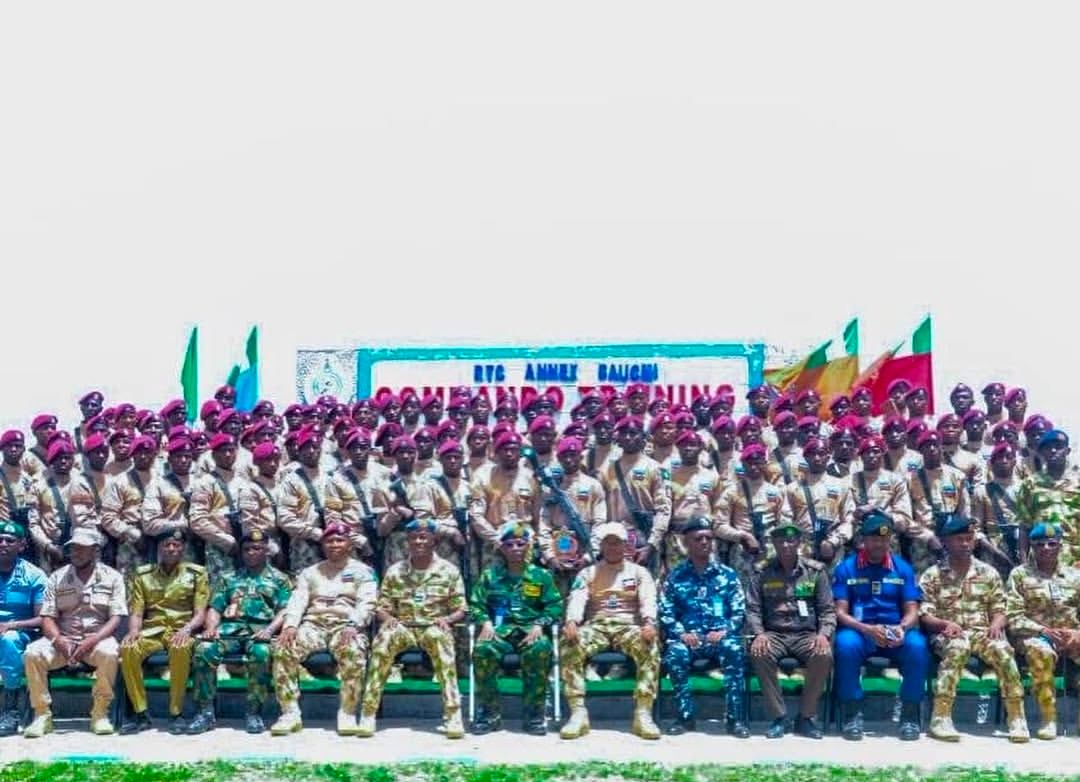
The lawmakers also demanded stronger oversight of security operations and cautioned that service chiefs should consider resigning if the security situation fails to improve.
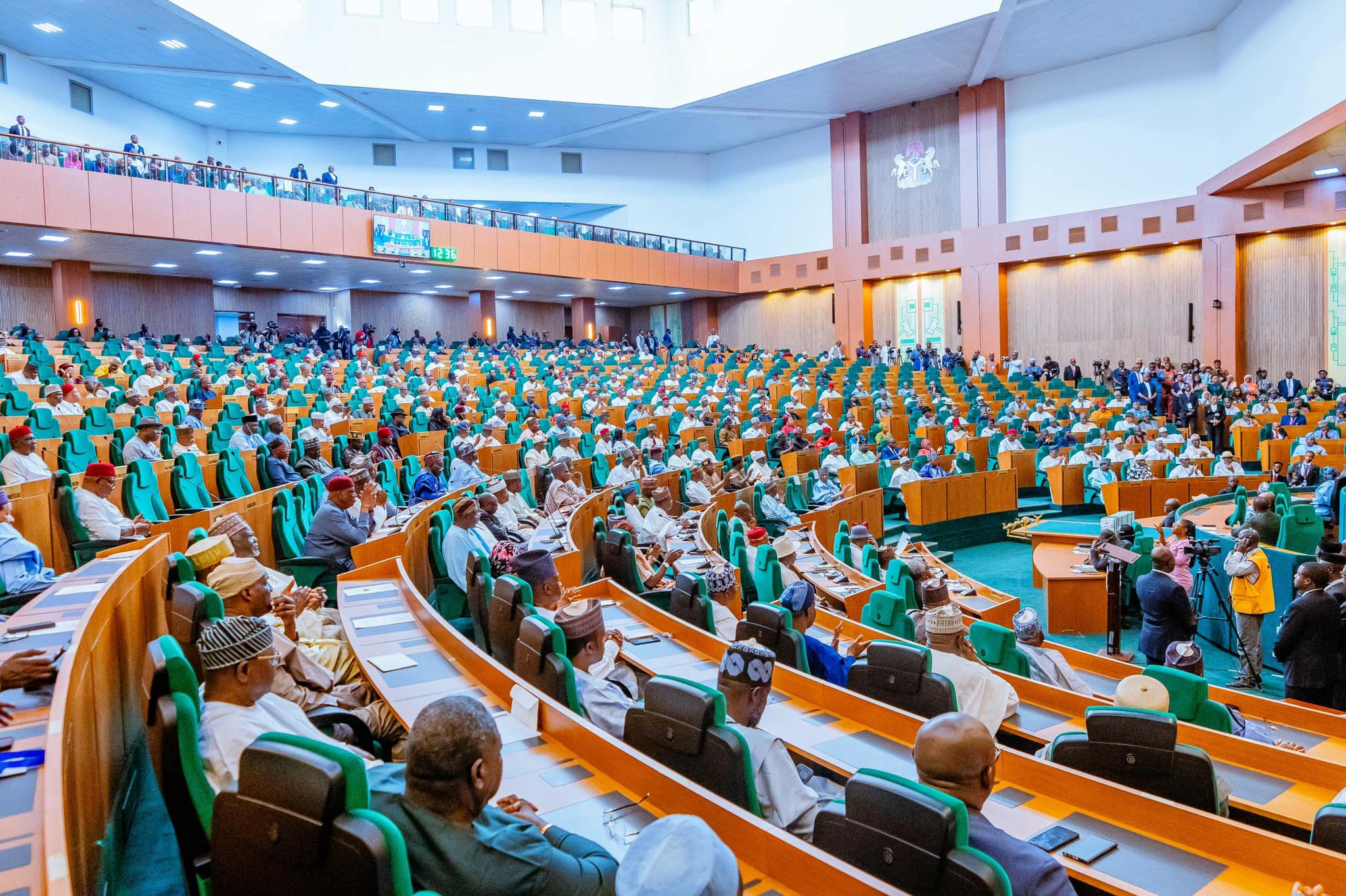
The House of Representatives on Tuesday called for immediate and decisive action by the federal government to stem the rising wave of banditry, mass kidnappings and attacks on schools and places of worship across the country.
The lawmakers also said if insecurity persists and the government is unable to restore order within a specified period, the service chiefs should resign honourably for failing to fulfil the constitutional mandate of protecting citizens.
The call followed the adoption of a motion of urgent public importance sponsored by Ibe Osonwa (LP, Abia), who raised concerns over what he described as the deteriorating security situation and the growing threat to school children, religious worshippers and rural communities.
Leading the debate during plenary, Mr Osonwa reminded the House that Section 14(2)(b) of the Constitution places the security and welfare of citizens as the primary responsibility of government.
He lamented that the continued abduction of schoolchildren across different parts of the country has disrupted education, forced thousands of children out of school and deepened Nigeria’s out-of-school children crisis.
The lawmaker said the country was witnessing an alarming escalation in banditry, mass kidnappings and terror attacks, leaving many communities in fear and uncertainty.
“With profound grief and alarm, we note the unrelenting daily escalation of banditry, mass kidnappings and terror attacks across various states of the federation, which have left the nation in a perpetual state of mourning and fear,” he said.
Mr Osonwa expressed particular concern over the growing trend of attacks on schools and places of worship, noting that institutions once regarded as safe havens for learning and spiritual reflection have increasingly become targets of kidnappers and armed groups.
According to him, religious worshippers are now frequently attacked, abducted or killed during services, undermining citizens’ constitutional rights to freedom of thought, conscience and religion.
He further argued that ordinary Nigerians increasingly feel abandoned as businesses collapse, farming communities are deserted and families are plunged into poverty while struggling to raise ransom payments for abducted relatives.
The lawmaker also questioned the effectiveness of the country’s security architecture despite huge allocations to defence and security agencies in successive national budgets.
“Despite the trillions of naira allocated to the defence and security sectors in consecutive national budgets, the current security architecture appears overwhelmed, reactive and incapable of halting the sophisticated operations of these bandits,” he said.
He warned that the apparent inability of security agencies to decisively confront criminal groups was creating the impression that the government had lost control of parts of the country.
Contributing to the debate, Chinedu Ogah (ADC, Ebonyi) urged the House to include the Nigerian Police Force among the agencies specifically mentioned in the resolution, stressing that the police remain critical to intelligence gathering, crime prevention and internal security operations.
Following deliberations, the House unanimously adopted the motion and resolved to condemn in strong terms the continued banditry, mass abductions and attacks on schools and places of worship across the country.
The lawmakers also agreed to transmit an urgent appeal to President Bola Tinubu, reminding him of his constitutional responsibility as Commander-in-Chief to protect the lives and property of Nigerians.
The House further demanded the immediate deployment of an aggressive and comprehensive security strategy aimed at dismantling bandit camps, securing vulnerable schools and worship centres and ensuring the unconditional release of all persons currently held by kidnappers.
In one of the motion’s most far-reaching resolutions, the House declared that if the administration proves unable to halt the worsening insecurity and restore safety within a specified period, the nation’s service chiefs should honourably resign for failing to achieve the primary purpose of government as stipulated by the Constitution.
Lawmakers also mandated the House Committees on Defence, National Security and Intelligence, and Army to intensify oversight of security operations and report back within two weeks for further legislative action.
The Speaker of the House, Abbas Tajudeen, who presided over the session, subsequently referred the motion to the Committees on Defence, National Security and Intelligence, Army, and Civil Defence for further legislative action.
The motion comes amid renewed concerns over a series of mass abductions targeting schools in different parts of the country.
In Oyo State, armed men on 15 May carried out coordinated attacks on schools and surrounding communities in Oriire Local Government Area, abducting 46 persons, including 39 students and seven teachers.
The victims were taken from Community High School, Ahoro-Esinle, and Yawota Baptist Nursery and Primary School.
Reports indicated that one of the abducted teachers was later killed while in captivity, further heightening fears among affected families and residents.
The Oyo abduction marked a disturbing expansion of large-scale school kidnappings into the South-west, a region previously less affected by such incidents.
Similarly, in Borno State, suspected insurgents stormed schools in Mussa community, Askira-Uba Local Government Area, and abducted 42 pupils and students.
According to reports, 28 pupils were taken from a primary school, four students from a secondary school and 10 additional children were abducted from nearby homes. The attack occurred during school hours and forced many residents to flee the area. Authorities subsequently shut down the affected school and relocated pupils to safer locations.
The Borno incident was particularly significant because it represented one of the most serious school abductions in the state since the 2014 Chibok schoolgirls kidnapping and reignited fears over the vulnerability of schools in conflict-prone communities.
Human rights groups and community leaders have warned that the recurring attacks are forcing many parents to withdraw their children from school, further threatening educational development and increasing the risk of child labour and early marriage in affected communities.