According to Bureau of Economic Analysis data released on Thursday, June 25, the Personal Consumption Expenditures (PCE) price index, which is the Fed’s preferred inflation gauge, rose 4.1% year-on-year in May, matching economists’ expectations and marking the strongest annual increase since April 2023.
On a monthly basis, the headline PCE index increased 0.4%, following a similar rise in April.
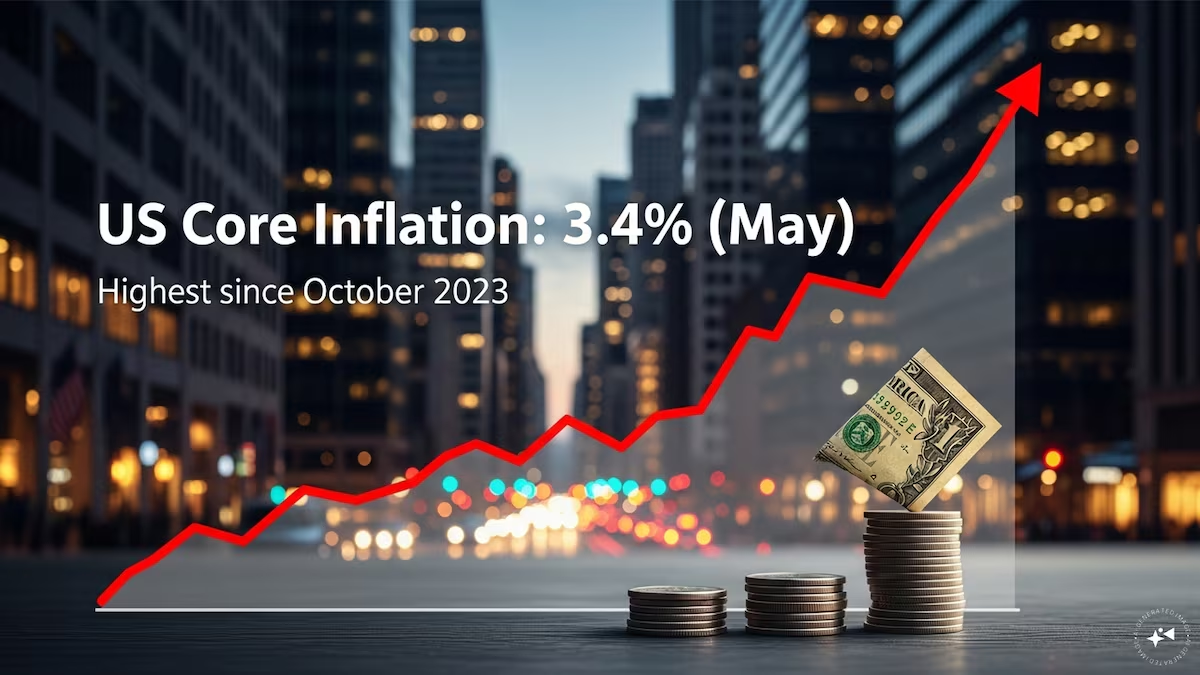
Core PCE inflation, which excludes volatile food and energy prices and is closely watched by policymakers, climbed 3.4% annually after rising 0.3% during the month. Both figures were in line with Dow Jones estimates.
The annual core reading was the highest since October 2023. CNBC reported that the data underscored persistent underlying inflationary pressures despite signs of moderation in some sectors.
At the same time, inflation-adjusted consumer spending rose 0.3% from the previous month, indicating that households continued to spend despite elevated prices and economic uncertainty.
The latest report comes just over a week after the Federal Reserve and its new Chairman, Kevin Warsh, delivered a hawkish message on inflation and interest rates, signalling that policymakers remain concerned about the trajectory of prices.
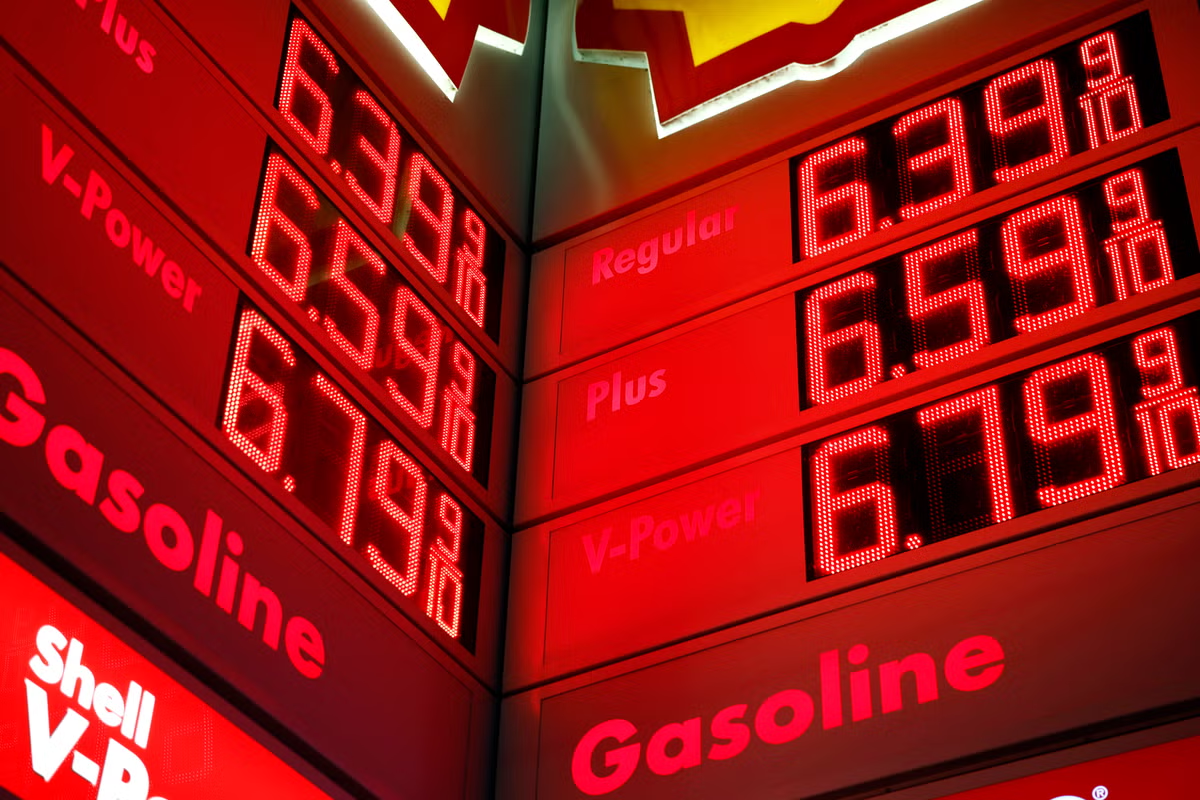
The data broadly matched market expectations. Economists polled by Reuters had forecast the headline PCE inflation rate to rise 4.1% year-on-year in May, with prices increasing 0.4% on a monthly basis. The inflation surge has been partly attributed to higher energy costs stemming from the recent conflict involving Iran, which pushed oil and gasoline prices higher.
Although crude oil and fuel prices have retreated in recent weeks amid a fragile ceasefire, economists expect inflationary pressures to remain elevated for some time as higher energy costs continue to filter through the broader economy, Reuters reported.
The geopolitical backdrop has also shown signs of easing. Reuters noted that US President Donald Trump and Iranian President Masoud Pezeshkian signed a preliminary peace agreement last week aimed at reopening oil and shipping routes disrupted during the conflict, a development that could help stabilise energy markets in the months ahead.