By Michael Olukayode
For thousands of young Nigerians, the dream is familiar: leave home, find work abroad and build a better life.
But for many who set out on the perilous migration route through North Africa, the dream often ends in exploitation, violence and years of uncertainty.
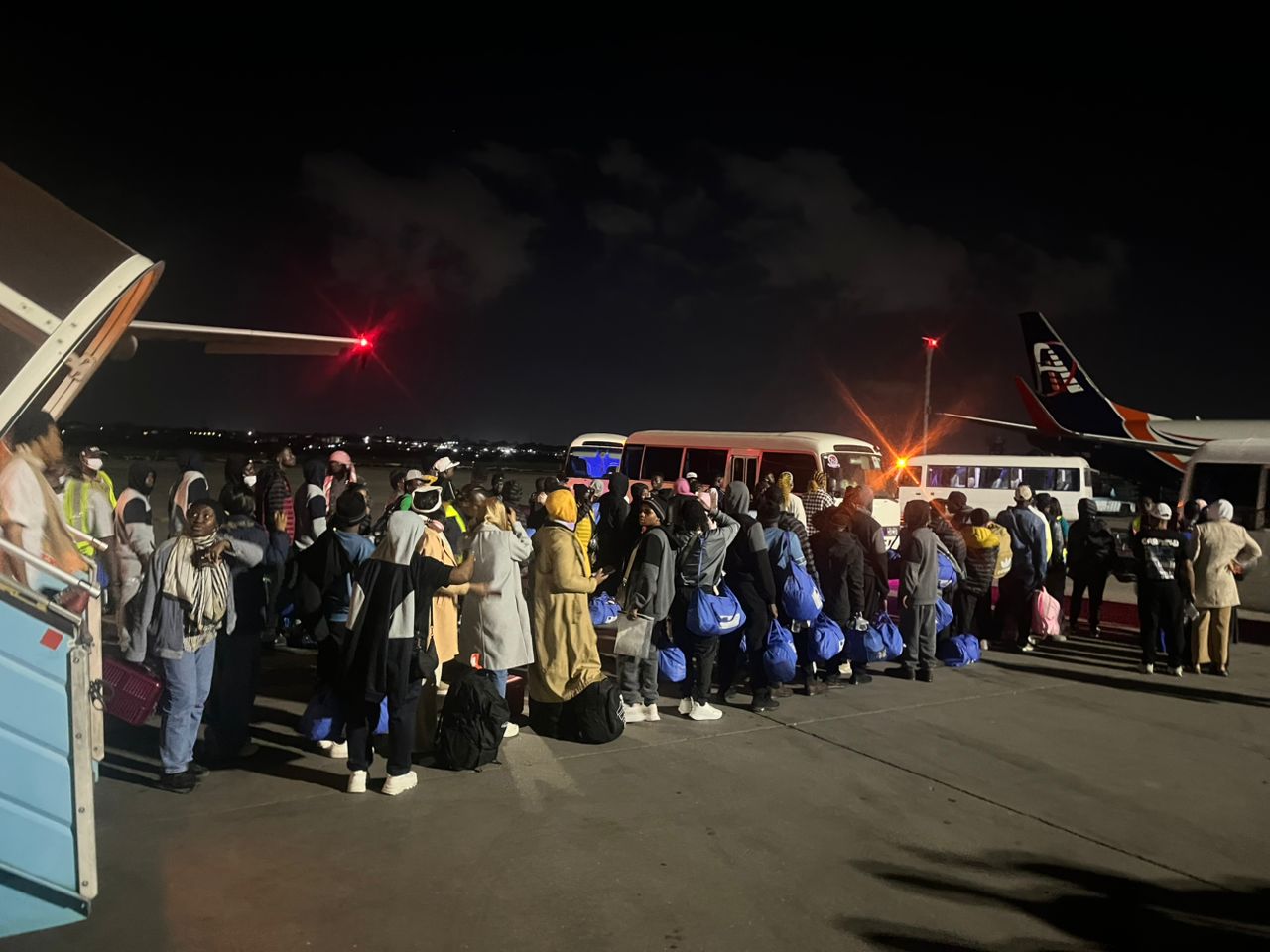
Among a recent group of Nigerians evacuated from Libya was a young woman who believed she was travelling to Egypt to work as a hairdresser and makeup artist. Instead, she found herself trapped in Libya’s shadowy migrant economy.
“We were told that we were going to Cairo,” she said quietly. “Unfortunately, we found ourselves in Libya.”
Her testimony is one of several harrowing accounts from returnees whose stories expose the realities behind the promises made by traffickers, agents and migration middlemen.
She had travelled alongside her sister after being offered what appeared to be a legitimate overseas job opportunity. Upon arrival, however, she discovered that the work awaiting her had little to do with the profession she knew.
Rather than working as a beautician, she was forced into domestic labour.
“We entered Shagala,” she explained, using the term commonly employed by migrants to describe domestic housework. “I worked as a housemaid there.”
Like many migrants arriving in Libya, she became indebted to sponsors who financed the journey and expected repayment through labour. For months she worked under difficult conditions, believing that once the debt was cleared she would finally regain control of her life.
“After I paid for about 10 months, only two months remained before I completed the money,” she recalled.
Then she overheard a conversation that changed everything.
“I heard my madam and her husband discussing with someone who wanted to come and pick me up. They said they would collect 9,000 dinars.”
The implication was devastating. Despite nearly completing her debt repayment, she was about to be sold or transferred to another employer.
When she resisted, she said she was brutally assaulted.
“Nine people beat me,” she recounted. “They used a stick and shot me in my eye.”
The injuries were severe. Photographs of her condition were eventually sent to relatives in Nigeria.
For six years she remained trapped in Libya, separated from her family and unsure whether she would ever return home.
Her sister was luckier.
“My sister came back to Nigeria after one year and six months,” she said. “But I stayed six years.”