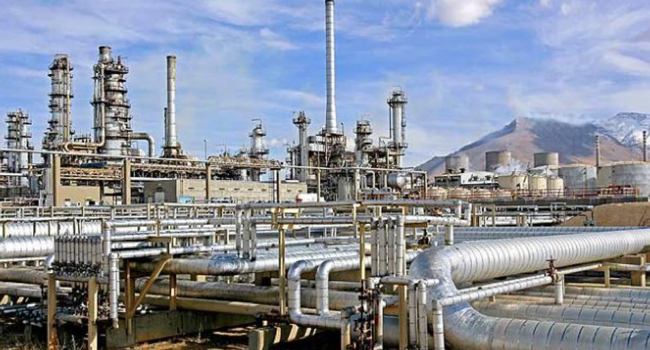
The Petroleum Products Retail Outlets Owners Association of Nigeria (PETROAN) has called on the Federal Government to immediately restore full commercial operations at the Port Harcourt, Warri and Kaduna refineries, warning that Nigeria’s energy security should not depend on a single refinery.
In a statement issued on Wednesday, PETROAN President, Dr. Billy Gillis-Harry, said the association supports the deregulation of the downstream petroleum sector but believes government-owned refineries must resume operations to promote competition and safeguard the economy.
According to him, “markets built around a single dominant supplier are markets built on borrowed stability,” stressing that the call to restart the refineries is “not an emergency measure alone, but a structural necessity.”
PETROAN said the recent decision by Dangote Petroleum Refinery to price petroleum products in United States dollars has highlighted the risks associated with relying heavily on a single major supplier.
READ ALSO: Dangote Cracks Down On Illegal Haulage, Offers ₦500,000 Reward For Whistleblowers
The association noted that “the recent move by Dangote Petroleum Refinery to price its products in United States dollars was, on its face, a commercial choice within a company’s rights,” but added that “it has exposed, with unusual clarity, what happens when a domestic market’s price mechanism becomes dependent on a single actor’s exchange-rate calculus.”
It warned that marketers who earn revenue in naira could face increased pressure sourcing foreign exchange to purchase fuel, making pump prices more susceptible to exchange-rate volatility.
According to PETROAN, the revival of the Port Harcourt, Warri and Kaduna refineries would provide a price-check mechanism, promote genuine competition, reduce pressure on foreign exchange, strengthen energy security and boost investor confidence in the downstream petroleum sector.
The association also urged the Federal Government to ensure adequate crude oil supply to all domestic refiners and sustain policies that encourage investment in both modular and conventional refineries across the country.
PETROAN maintained that “Nigeria’s energy security cannot rest on the fortunes, or the currency preferences, of a single refinery, no matter how large,” insisting that “a resilient petroleum sector needs public and private capacity operating side by side, competing on the same terms, in the same market.”