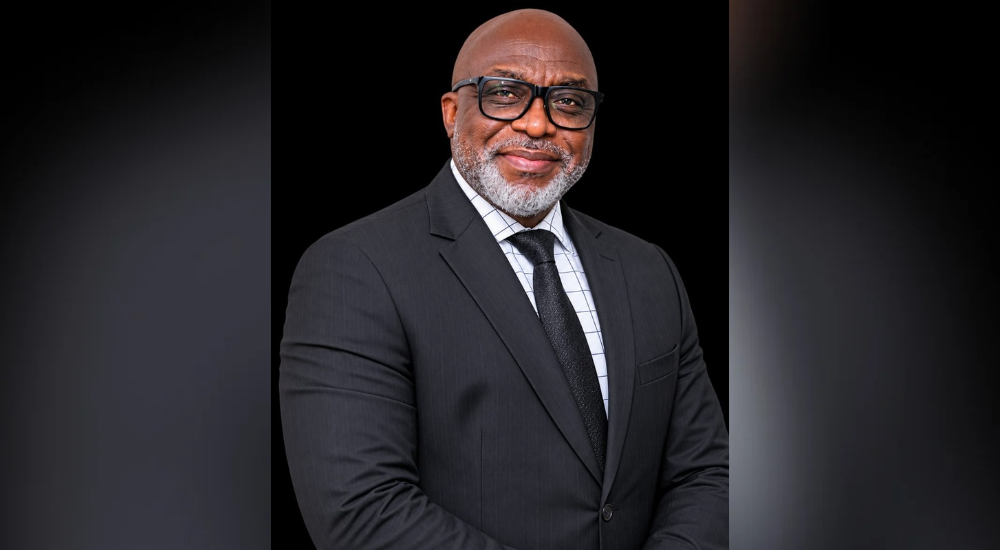
The Chief Executive Officer of United Nigeria Airlines, Prof. Obiora Okonkwo, has admitted that poor communication by some members of the airline’s communication team previously backfired, insisting that airlines must be truthful with passengers about flight disruptions.
Okonkwo said withholding information in an attempt to protect an organisation’s reputation could worsen the situation, stressing that customers were more likely to cooperate when they understood the challenges responsible for service disruptions.
He spoke in an interview with journalists on the sidelines of the ongoing World Public Relations Forum in Abuja on Tuesday.
According to him, organisations should not assume that concealing negative information would protect their reputation, as customers and stakeholders could become more understanding when the circumstances behind a problem were properly explained.
“Some entities, some organisations do think that withholding the truth is the best way to save the reputation of the organisation. But I am a strong advocate of saying it as it is,” he said.
He explained that although customers generally preferred positive news, communicating the difficulties facing an organisation could encourage them to sympathise and cooperate with management in finding solutions.
“When you tell your customers, your clients, your stakeholders the challenges that may have brought about a bad situation, I’ve seen situations where those people, the human nature in them is activated. They become sympathetic, they become cooperative and even start working with you to find solutions,” Okonkwo said.
The airline chief disclosed that United Nigeria had also suffered from the consequences of poor communication when some members of its communication team withheld information from customers instead of explaining situations as they were.
“It has happened and we have also been a victim of poor communication where some of our communication team decided to withhold information and not tell the situation as it is. It really backfired in a very, very bad way, unexpectedly,” he said.
Okonkwo, however, argued that effective communication during a crisis should not be treated as the exclusive responsibility of an organisation’s corporate affairs department.
He said organisational leadership and other employees must take responsibility for ensuring that customers and stakeholders receive accurate information, particularly when service disruptions occur.
“Communication also is not only the responsibility of the corporate affairs department. When there is a need, there is a crisis and there’s a need for proper communication, leadership quality is also called into question. So, it becomes a collective responsibility of each and every member of that organisation,” he said.
Speaking on how airlines could deploy communication to improve service delivery, Okonkwo said information should be made available to passengers through every possible channel, including visible displays at airports, information technology platforms and social media.
He noted that communicating with air travellers could be particularly challenging because passengers were often anxious to reach their destinations and might become frustrated when disruptions affected their travel plans.
According to him, passengers sometimes complain that airlines have failed to explain flight delays, even when information has been communicated, because what they ultimately want is to board their flights and reach their destinations.
He said, “At that point anybody who had already programmed his mind to travel to a destination wants to get there as fast as possible. So, every other communication that comes in between that is not, ‘Let’s go, this is time to go,’ means a whole lot of disappointment and frustration.”
Okonkwo acknowledged that some aviation workers sometimes failed to communicate the actual reasons for flight disruptions because they feared passengers’ reactions or were uncertain about how they would respond.
However, he said his position as the airline’s chairman and chief executive was to insist that passengers must be told the truth, irrespective of the circumstances surrounding a disruption.
He cited bird strikes and technical problems as examples of incidents airlines should openly communicate to passengers rather than withhold information.
“Do you have a bird strike? Yes, announce that you have a bird strike. That’s why you are disrupting your services. Do you have technical issues? Announce,” he said.
The United Nigeria chief explained that aviation was a safety-sensitive industry with strict operational regulations, adding that an aircraft should not be allowed to fly when safety concerns had not been resolved.
He stressed that decisions concerning the airworthiness of an aircraft rested with the engineering and flight crews, not public relations personnel or other employees.
Okonkwo maintained that truthful communication, when supported by service delivery, was essential to building confidence and sustaining customer patronage.
He said customers who had developed trust in an organisation could become its advocates, particularly when the organisation encountered operational challenges.
“When that is backed up with service delivered as promised, it creates human confidence. And at that point, even I’ve seen situations when the customers will now speak for you. They will now advocate for you. They will now defend you if you have built that trust,” he said.
He described trust as very important to customer sustainability and patronage.