The Federal Government has reduced the allocation to the Ministry of Youth Development following last-minute adjustments by the National Assembly, trimming the ministry’s budget slightly from its initial proposal.
Findings from the House of Representatives Order Paper dated March 31, 2026, showed that lawmakers effected the changes at the Committee of Supply stage during the final clause-by-clause consideration of the 2026 Appropriation Bill.
Under the approved estimates, the Ministry of Youth Development received N518.27bn, comprising N498.07bn for recurrent expenditure and N20.20bn for capital projects.
The figure represents a marginal reduction of about N0.09bn from the N518.36bn initially proposed by President Bola Tinubu in December 2025.
The adjustment forms part of broader fiscal changes introduced by the National Assembly after adopting an upward revision of the overall budget size from N58.47tn to N68.32tn.
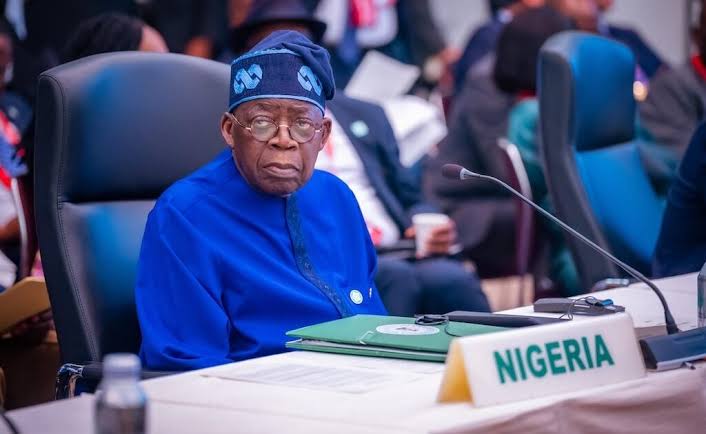
President Tinubu signed the budget into law on April 17, 2026, giving legal backing to the revised allocations, 17 days after legislative deliberations were concluded.
Speaking on the budget, the President said it would “drive economic stability and inclusive growth,” with significant provisions earmarked for statutory transfers, debt servicing, recurrent expenditure and capital projects.
A breakdown of the Youth Development Ministry’s allocation shows a heavy tilt towards recurrent spending, which accounts for N498.07bn of the total envelope.
The initial proposal had been largely driven by youth-focused capital interventions, including funding for empowerment programmes, skills acquisition schemes, and initiatives targeting unemployment, as well as support for the National Youth Service Corps.
However, the final structure approved by lawmakers indicates a shift, with recurrent expenditure dominating the allocation, suggesting stronger emphasis on programme implementation and operational costs rather than infrastructure expansion.
Officials familiar with the budget process said the marginal reduction reflects “technical adjustments” rather than a major policy shift, noting that the ministry’s funding level remains largely intact.
The March 31 Order Paper also showed that the Appropriations Committee report was considered alongside the amendment extending the 2025 budget cycle, highlighting the tight schedule within which lawmakers finalised the fiscal framework.
With the President’s assent secured, attention is expected to shift to implementation, particularly how effectively the Ministry of Youth Development deploys its allocation to address unemployment and youth empowerment challenges.
What do you think about this?
Drop your opinion in the comment section.
FOLLOW US & Share this with someone who needs to see this.