Families of US military service members deployed in West Asia are expressing growing concern over food shortages and disrupted communication lines, as a suspension of military mail delivery leaves care packages stranded and morale under strain.
The concerns were published in a report by USA Today, which highlighted images shared by deployed personnel aboard warships such as the USS Tripoli and the USS Abraham Lincoln showing sparse and unappetizing meals. One photo depicted a nearly empty lunch tray with a small portion of shredded meat and a single tortilla, while another showed a meagre dinner consisting of boiled carrots, a dry meat patty and processed meat.
According to USA Today, the United States Postal Service has suspended mail delivery to 27 military ZIP codes across West Asia since early April. The move followed escalating hostilities involving the United States and Israel targeting Iran, which led to airspace closures and logistical disruptions.
The Military Postal Service Agency confirmed that the suspension will remain in place until further notice. Officials cited operational challenges linked to the conflict, noting that the resumption of mail services depends on the reopening of regional airspace and an assessment of transportation stability by military commanders.
Mail already dispatched is being held in secure postal or military facilities and will not be returned to senders, the report added.
Families fear troops are going hungry
Relatives of deployed personnel say the disruption has deepened anxieties about conditions on board. Dan F., whose daughter is a Marine aboard the USS Tripoli, told USA Today he became alarmed after seeing images of her meals and hearing that food supplies were being rationed. Fresh produce, he reportedly said, was unavailable, and even basic amenities such as coffee machines had stopped functioning.
In response, families have attempted to send care packages filled with food, hygiene products and personal items. However, with deliveries halted, many of these packages remain in transit or undelivered weeks after being sent.
Story continues below this ad
A Texas mother, whose son is also stationed aboard the Tripoli, said her family has spent thousands of dollars on supplies that have yet to reach him. In messages cited by USA Today, the sailor indicated that food is shared carefully among crew members who are warned that supplies could run critically low.
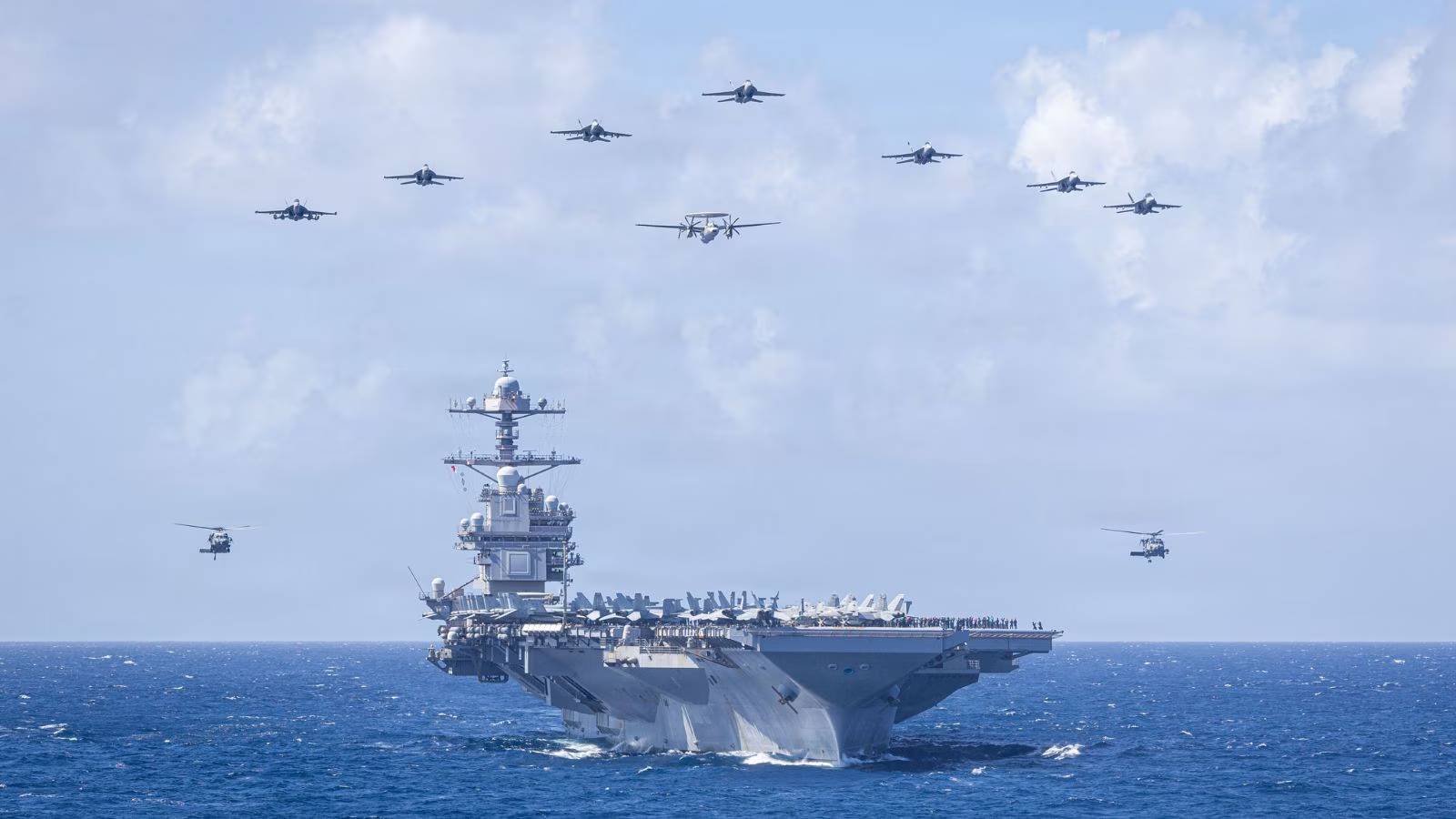
The USS Tripoli has reportedly been at sea for over a month since departing its home port in Japan, joining operations linked to enforcing a US blockade near Iranian waters. Meanwhile, other vessels, including the USS Gerald R Ford, have faced extended deployments, with the carrier recently surpassing 295 days at sea — the longest since the Cold War era.
Community groups and local organisations across the United States have mobilised to support deployed troops. In West Virginia, a church-led initiative collected and shipped dozens of care packages after reports of poor food quality aboard the USS Abraham Lincoln. However, many of these shipments have yet to reach their intended recipients, with some stuck at transit points such as Tokyo.
Wartime logistics complicate deliveries
Experts note that disruptions to military mail are not unprecedented during wartime. According to USA Today, historians and postal experts say conflicts routinely strain supply chains, with delays and interruptions affecting communication and logistics.
Story continues below this ad
The Military Postal Service, which operates across dozens of countries and handles millions of pounds of mail annually, faces heightened complexity in active conflict zones. While delays have been common in past wars, a widespread suspension of deliveries to multiple military ZIP codes is less typical, the report pointed out.
For families, however, the situation remains deeply frustrating. Many continue to hold on to packages at home or track shipments that have stalled mid-journey, uncertain when — or if — they will reach their loved ones.