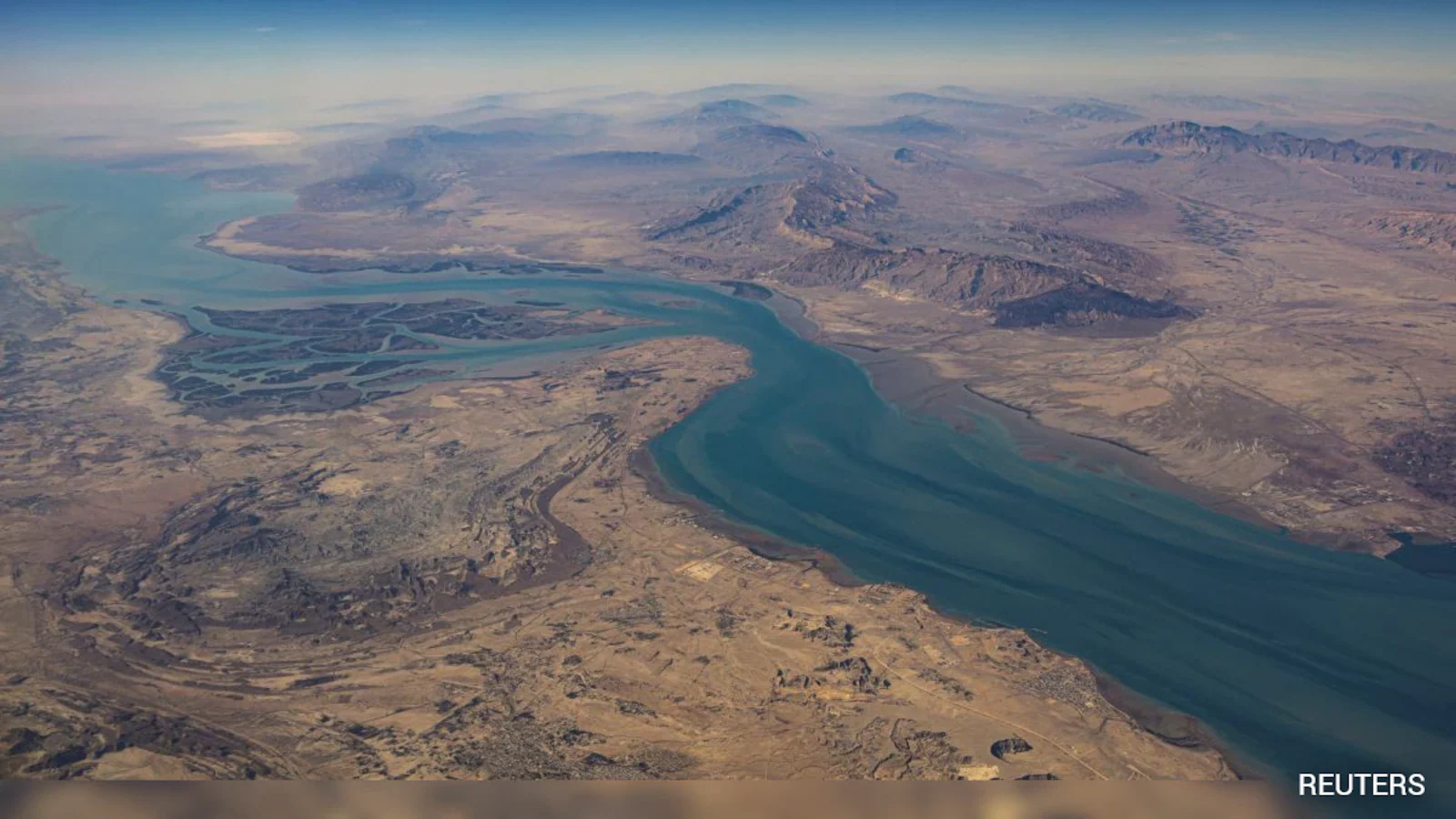
Traffic levels in the Strait of Hormuz fell back from Wednesday’s high, but vessels continued to use a non-Iranian-approved passage despite a ship being struck by a projectile, tracking platforms showed Friday.
At least 42 commodity vessels — including tankers carrying oil, gas, and dry bulk such as fertilisers — crossed on Thursday, Kpler’s tracking platform showed, down from a high of 57 on Wednesday.
Ten of those vessels entered the Gulf, while 32 exited. Half of the 42 vessels used a southern passageway hugging the coast of Oman.
Another 29 commodity vessels had already crossed the strait by Friday afternoon, 10 coming into the Gulf and 19 leaving, according to Kpler.
Seventeen of those vessels used the Omani route, despite a Singapore-flagged container ship reporting that it had been struck while using the passageway on Thursday, according to the United Kingdom Maritime Trade Operations (UKMTO) centre.
Tracking platform Marine Traffic recorded around 15 tankers and cargo vessels crossing the strait between 1410 GMT, when the attack happened, and midnight Thursday.
The Islamic Revolutionary Guard Corps (IRGC) said Thursday that Oman and the International Maritime Organization (IMO) announced the new corridor without consulting Tehran, and warned vessels against using it.
“The only authorised transit routes through the Strait of Hormuz are those designated by the Islamic Republic of Iran,” it said.
The cargo ship attack forced the suspension of a program to evacuate around 11,000 mariners stranded by the closure of the strategic strait, the IMO said.
The UN maritime body said Friday that a total of about 115 vessels and 2,500 seafarers had been evacuated since Tuesday, before suspending the operation.
IMO secretary-general Arsenio Dominguez said that following “consultations with some countries, particularly in the region”, he took the decision to pause evacuations.
Since June 15, traffic has been steadily increasing through the strait, which normally sees around a fifth of the world’s oil and gas exports.
Seventy confirmed crossings by all vessels were recorded on Wednesday, according to an X post by Kpler, compared with around 125 transits in peacetime.
And the price of Brent North Sea crude oil, the international benchmark, dived more than five percent on Friday over optimism about the strait reopening.
But experts warned against declaring the crisis over, with negotiations for a long-term settlement ongoing between Iran and the US.
“The sudden surge in shipping through the Strait of Hormuz has been greeted in some quarters as evidence that the region is snapping back to normal. It isn’t,” shipping journal Lloyd’s List editor-in-chief Richard Meade said Friday.
“What we are witnessing is a ceasefire-driven release of pent-up demand — a ketchup-bottle burst of tonnage.
“The Strait of Hormuz may be busier, but it is not safer. Until the terms of any post-ceasefire regime are known — and respected — the idea of a return to normality remains more hope than forecast,” he added.
(Except for the headline, this story has not been edited by NDTV staff and is published from a syndicated feed.)