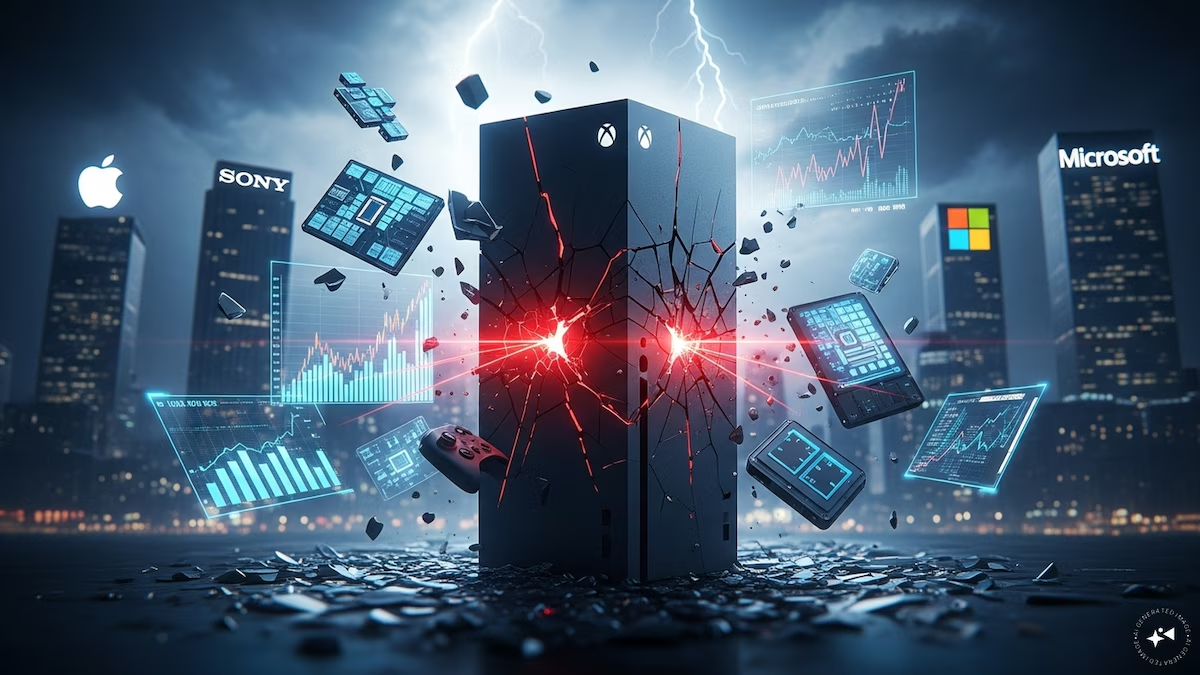
The latest increase will raise Xbox console prices by between $100 and $150, depending on the model. The entry-level Xbox Series S with 512GB storage will now cost $500, up from $400, while the 1TB version will be priced at $600, up from $450.
The Xbox Series X Digital Edition will rise to $750 from $600, while the disc version will cost $800, compared with $650 previously.
Microsoft has also discontinued the 2TB Xbox Series X model. Industry observers suggest the company may have opted against selling a console that could have crossed the $1,000 price mark after factoring in rising component costs.
The latest increase comes just hours after Apple announced price hikes across several hardware products, highlighting growing cost pressures across the technology sector.
According to Microsoft, the primary driver behind the latest increase is a surge in storage and memory costs. The company said prices for these components have risen about 2.5 times in recent years and are expected to double again by late 2027.
The price increases underscore a broader challenge facing the technology industry: the rapid expansion of artificial intelligence infrastructure is driving demand for advanced chips, memory and storage components, pushing up costs for everything from smartphones and laptops to gaming consoles.
Microsoft’s gaming business is not alone in facing these pressures. Rival Sony has also raised PlayStation prices in recent years. The digital version of the PlayStation 5 now costs substantially more than its launch price, while the PlayStation 5 Pro has become one of the most expensive mainstream gaming consoles on the market.
Nintendo has so far implemented only modest increases for its Switch 2 console, though analysts say the company could face similar pressures if component costs continue to rise.
For consumers, the trend marks a sharp reversal from the traditional pattern in which gaming consoles typically become cheaper as they age. Instead, several current-generation consoles are now selling at prices well above their launch levels despite being on the market for more than five years.
The continued rise in hardware costs is also raising questions about the next generation of gaming devices. Industry analysts note that if current consoles are already approaching $800 in some markets, future systems from Microsoft and Sony could become significantly more expensive than previous generations.
Microsoft has indicated that component cost pressures are unlikely to ease before 2027, suggesting that hardware makers may continue to face difficult choices between absorbing losses and passing higher costs on to consumers.