Mankind has existed for hundreds of thousands of years, but some moments have left a bigger mark than others. In this series, we look back at key defining events and interesting developments from the past that continue to shape how we move through the world today.
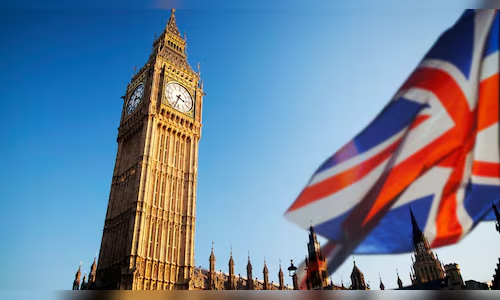
Take Big Ben, for example. The clock tower that became one of the world’s most recognisable landmarks first started keeping time during this week in history. This week also marks anniversaries of the Tiananmen Square crackdown, the first reported cases of AIDS, the D-Day landings, and other defining political and cultural turning points that continue to shape the modern world.
3 Min Read
 1 / 7
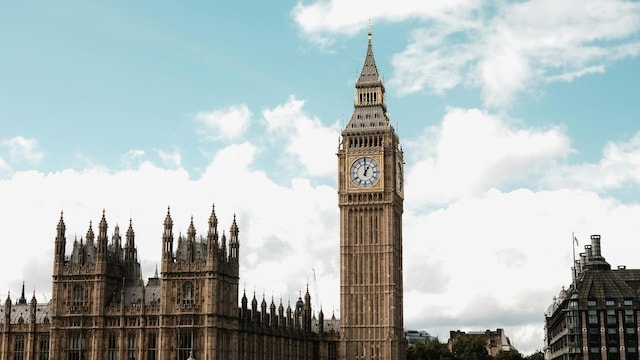
1 / 7Sunday, May 31 | On this day in 1859, Big Ben officially started keeping time in London. The Great Clock at the Palace of Westminster, popularly referred to as Big Ben after its massive bell, went on to become one of Britain’s most iconic landmarks and a globally recognised symbol of the UK. (Image: Canva)
 2 / 7
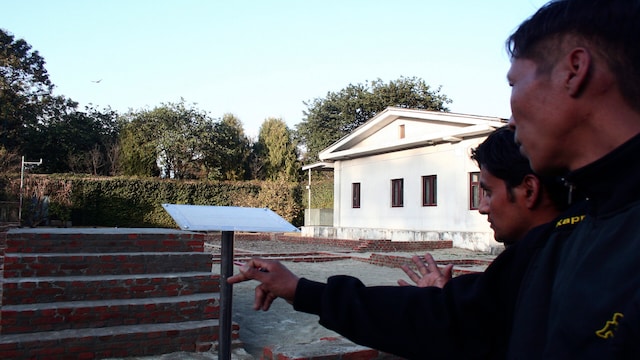
2 / 7Monday, June 1 | On this day in 2001, Nepal’s royal family massacre shocked the world after Crown Prince Dipendra allegedly killed King Birendra and several members of the royal family before turning the gun on himself. The tragedy destabilised the monarchy and accelerated political turmoil in Nepal, which eventually abolished the monarchy altogether in 2008. Pictured above are people looking at the royal massacre site at Narayanhiti Palace Museum in Kathmandu. (Image: Reuters)
 3 / 7
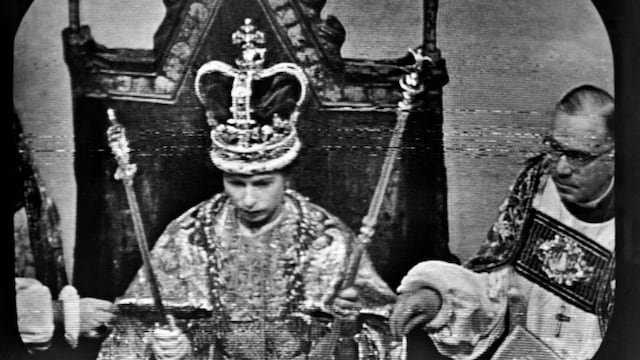
3 / 7Tuesday, June 2 | On this day in 1953, Queen Elizabeth II was crowned at Westminster Abbey in a globally televised coronation watched by millions. The ceremony marked the beginning of a 70-year reign that would make her Britain’s longest-serving monarch. (Image: The Royal Family)
 4 / 7
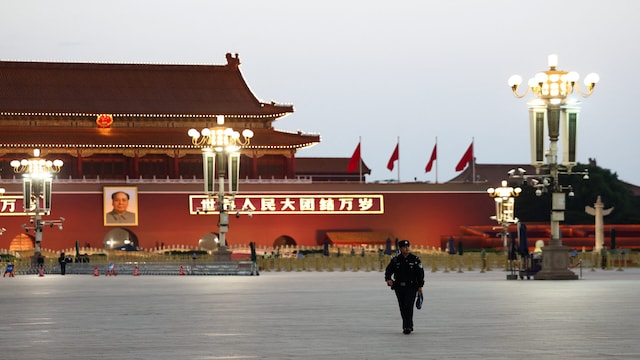
4 / 7Wednesday, June 3 | On this day in 1989, the Chinese government began its military crackdown on pro-democracy protesters gathered around the 1989 Tiananmen Square protests and massacre in Beijing. The violent suppression became one of the most politically sensitive events in modern Chinese history and remains heavily censored within China today. (Image: Reuters)
 5 / 7
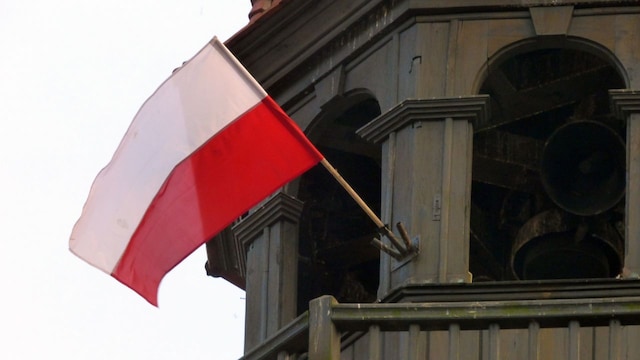
5 / 7Thursday, June 4 | On this day in 1989, Polish voters delivered a major blow to communist rule in Eastern Europe as the Solidarity movement won a landslide victory in partially free elections. The outcome accelerated the collapse of Soviet-backed governments across the region and helped bring an end to the Cold War order in Europe. (Image: Canva)
 6 / 7
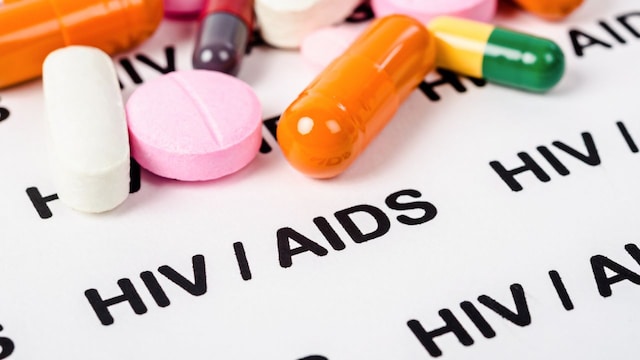
6 / 7Friday, June 5 | On this day in 1981, the United States Centers for Disease Control and Prevention published a report describing rare pneumonia cases in five young men in Los Angeles. They were the first officially reported cases of what later became known as AIDS. The epidemic would go on to become one of the deadliest global public health crises in modern history, reshaping medicine, activism, and public awareness around infectious diseases. (Image: Canva)
 7 / 7
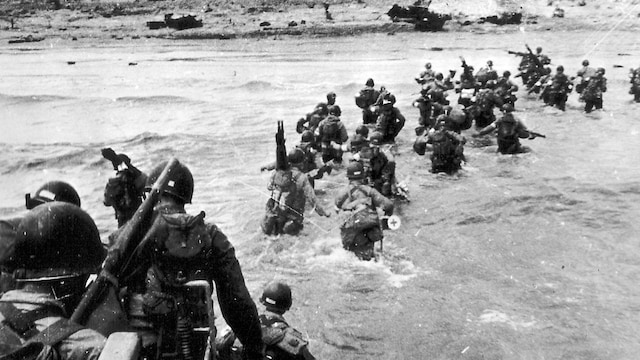
7 / 7Saturday, June 6 | On this day in 1944, Allied forces launched the Normandy landings, better known as D-Day, in Nazi-occupied France during World War II. The massive military operation marked the beginning of Western Europe’s liberation from Nazi control and became one of the most consequential invasions in modern military history. (Image: US Department of War)