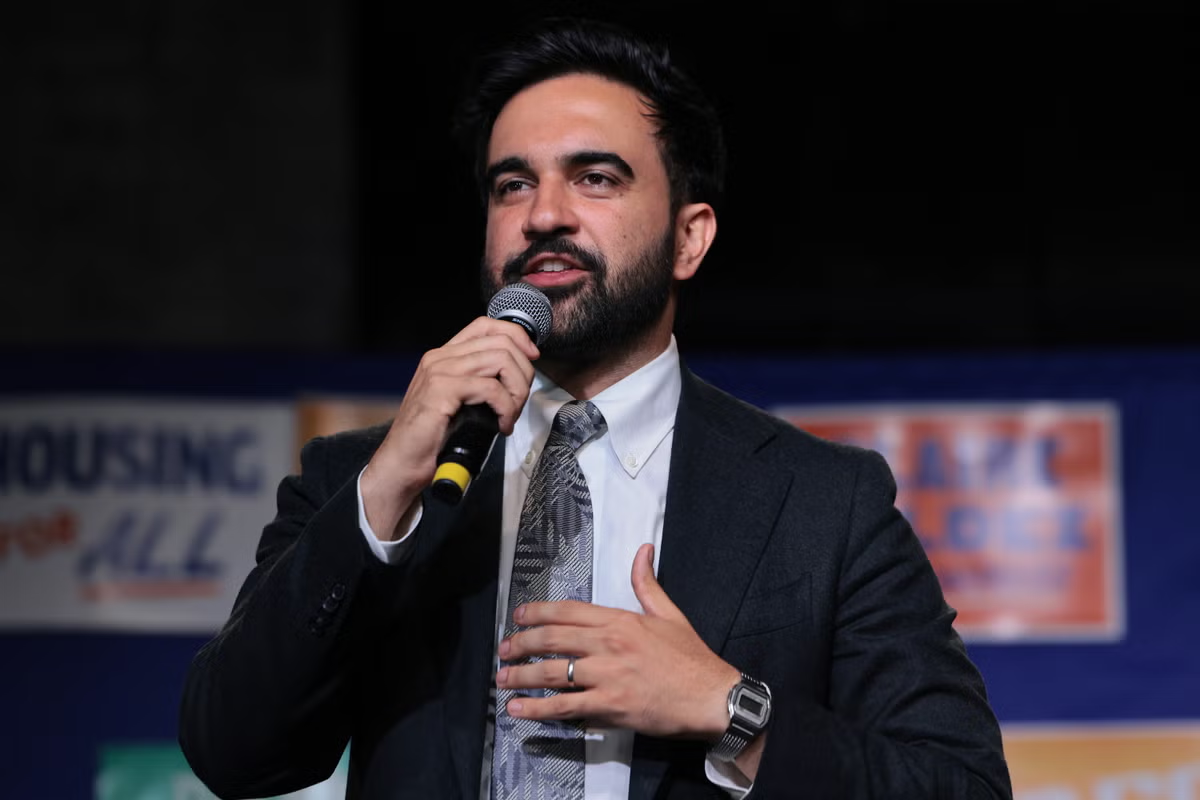
New York City Mayor Zohran Mamdani is poised to deliver on a key campaign promise to freeze rents, a move expected to impact approximately one million rent-stabilized apartments across the city.
The decision, anticipated by the city’s Rent Guidelines Board, marks a significant victory for Mamdani, who campaigned aggressively to tackle the city’s high cost of living.
The Rent Guidelines Board, an independent panel whose members are appointed by the mayor, is set to approve the rent freeze on Thursday evening.
This outcome not only fulfills a signature pledge Mamdani repeated with “almost monomaniacal zeal” during his campaign – “As your next mayor, I will freeze your rent” – but also bolsters his image as a progressive force.
The development follows his recent success in endorsing three congressional candidates who unseated Democratic incumbents, challenging the party establishment.
However, the proposed rent freeze faces strong opposition from real estate groups, who argue it will severely impact landlords. They contend that property owners, already grappling with rising costs and inflation, will struggle to afford routine maintenance and necessary repairs.
Critics of rent regulation also suggest such policies inadvertently drive up rental costs for non-stabilized units. Kenny Burgos, CEO of the New York Apartment Association, a landlord lobbying group, warned: “This will only result in more dilapidated housing and potentially more foreclosures and bankruptcies, which the city is wholly unprepared for.”
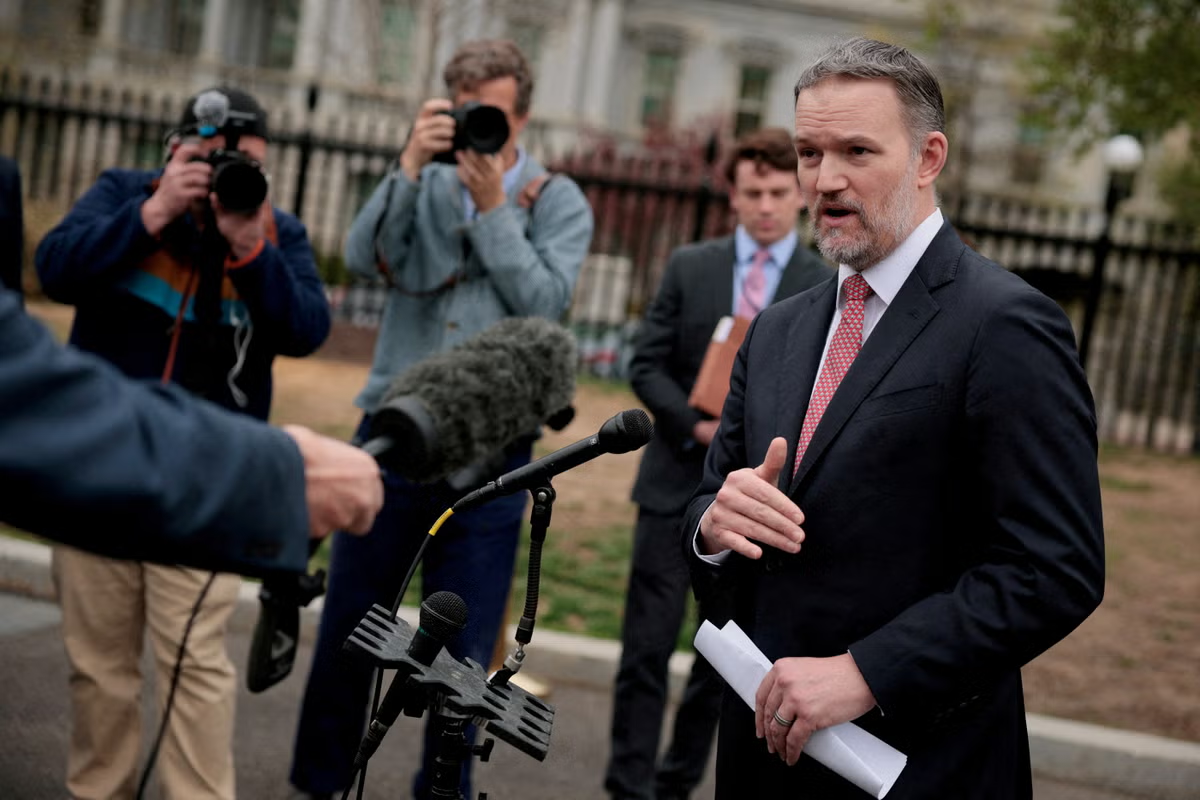
The board’s vote is expected to trigger a legal challenge. The controversy intensified with the resignation of Christina Smyth, a board member representing landlords, who claimed the panel’s independence had been compromised.
In her resignation letter, provided to The Associated Press, Smyth stated: “The Rent Guidelines Board has stopped being a fact-finding body. It has become a body that starts with an answer and vibe codes its way backward to justify it.”
Mayor Mamdani, who himself lived in a rent-stabilized apartment in Queens before moving into Gracie Mansion this year, appointed a majority of the board’s members early in his term, signaling his commitment to the freeze.
He has consistently argued that most New Yorkers desperately need relief from exorbitant housing costs.
Rent-stabilized units, which house around two million people and constitute about 40% of the city’s housing stock, are privately owned but subject to annual votes on maximum rent increases by the city board.
While the board has previously frozen rents, notably under Mayor Bill de Blasio, it approved modest increases under Mayor Eric Adams’s predecessor. Last year, increases of up to 3% on one-year leases and 4.5% on two-year leases were approved.
The system has drawn criticism for lacking income limits, meaning higher-income individuals can reside in these sought-after units.
This issue gained prominence during last year’s mayoral race when Andrew Cuomo, then governor, publicly urged Mamdani – at the time a state Assembly member earning just under $150,000 – to vacate his rent-stabilized apartment. Cuomo labeled the arrangement “disgusting,” arguing the unit should be available to someone with a lower income.